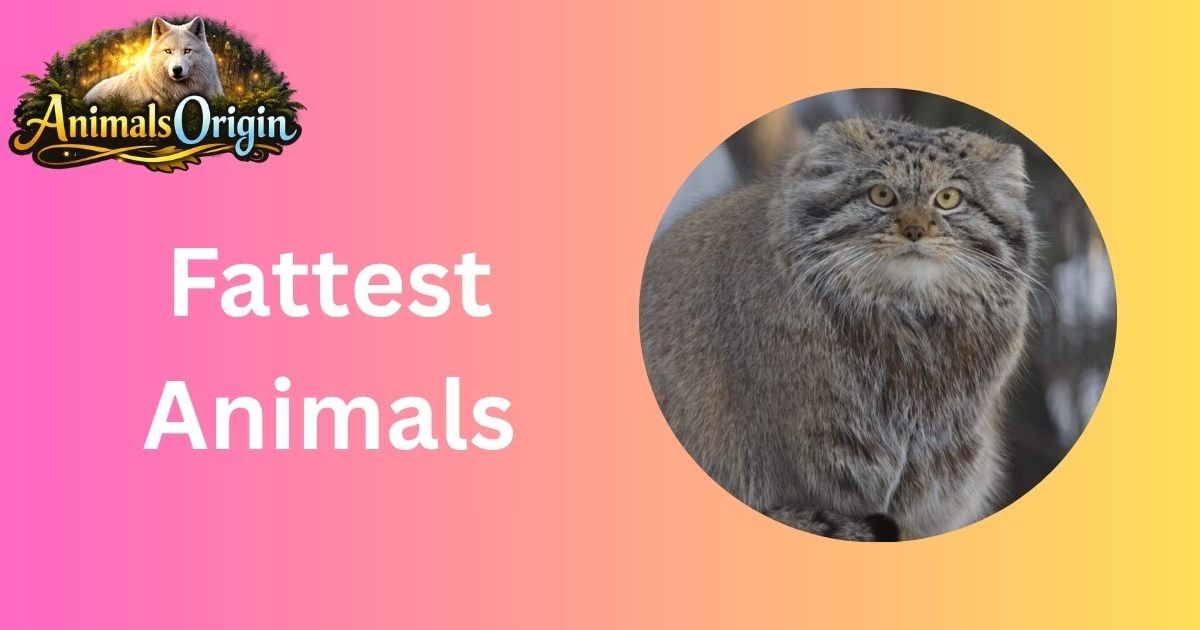
Fattest Animals: 15 Surprisingly Chubby Animals in the Wild
When it comes to wildlife, we often picture lean and agile creatures, but what about the surprisingly Fattest Animals? This article uncovers 15 endearing species that defy convention with their plump silhouettes.
The existence of these chubby beings isn’t just amusing; it also opens discussions about food sources, habitat changes, and animal health. Get ready to meet some of nature’s most charming chubsters.
Why Do Some Animals Get So Fat?
In nature, Fattest Animals often serve as a fascinating showcase of survival strategies and evolutionary adaptations. For instance, many species accumulate fat as an essential reserve to endure harsh environments or periods of food scarcity. Think of the polar bear: its thick layer of fat not only insulates against frigid temperatures but also provides energy during long periods when food is scarce. This adaptation, while perhaps surprising to some, is a clever response to the demands of a challenging habitat.
However, not all fat animals are thriving in the wild; in fact, human influence has altered many ecosystems, leading to obesity in species that cannot escape the consequences of habitat loss and easy access to high-calorie foods. Take feral urban cats: in environments where food is plentiful and competition is minimal, these once-sleek hunters can quickly pack on the pounds, leading to health issues that can shorten their lifespan.
15 Fattest Animals With Remarkably Round Bodies
Below is the list of 15 Fattest Animals With Remarkably Round Bodies:
- Capybara
- Wombat
- Manatee
- Walrus
- Elephant Seal
- Hippopotamus
- Giant Panda
- Polar Bear
- Brown Bear
- African Elephant
- Wild Boar
- Beaver
- Groundhog
- Pika
- Quokka
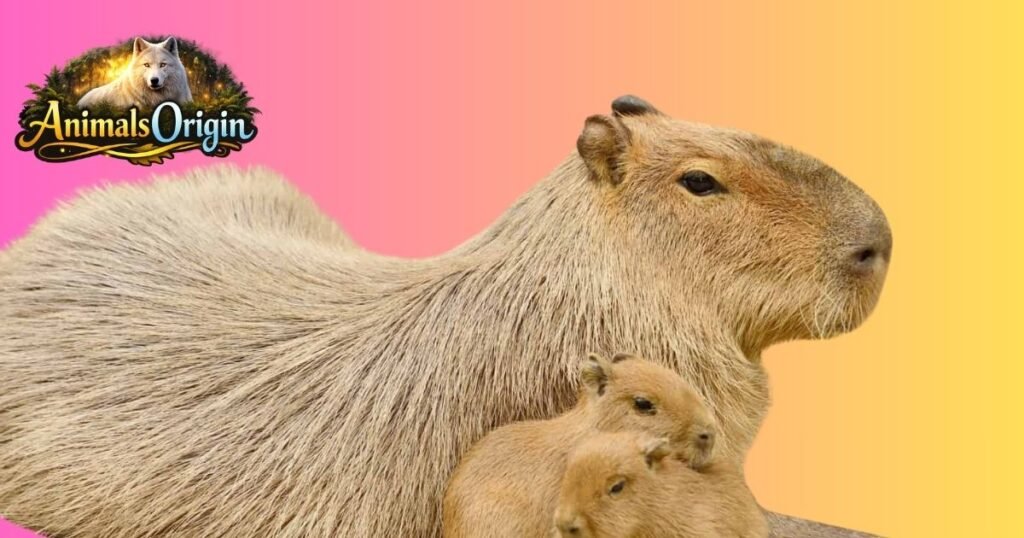
Capybara
Often deemed the world’s largest rodent, the capybara’s rotund shape complements its laid-back lifestyle, lounging in groups near water bodies. Their social nature invites curiosity and adds charm to their already charming appearance.
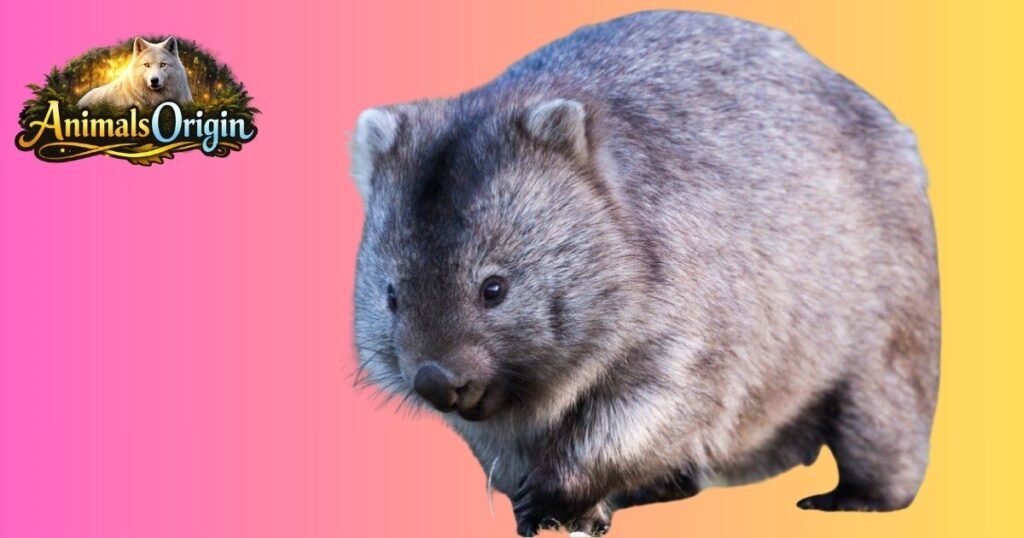
Wombat
With a stout body that seems perfectly sculpted for cuddles, the wombat’s roundness is not just adorable; it’s a survival mechanism. Their compact form allows them to dig extensive burrows, offering shelter from predators.
Manatee
Known as “sea cows,” manatees are the gentle giants of the ocean, gliding through warm waters with an effortless grace. Their round bodies store ample fat, essential for buoyancy in colder waters and a diet rich in seagrass.
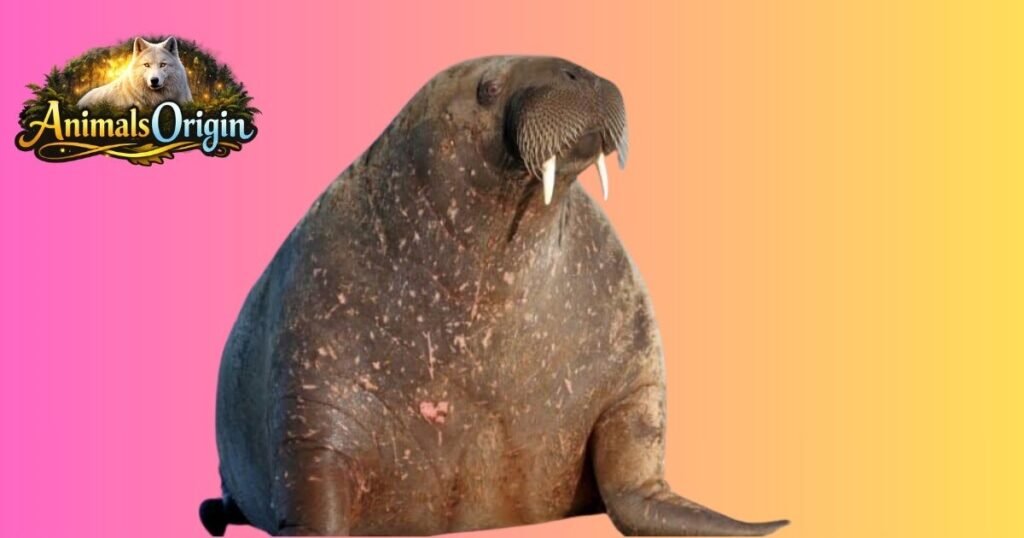
Walrus
With whiskers that could rival Santa’s beard, the walrus’s formidable blubber not only keeps them warm in frigid Arctic waters but also gives them an unmistakable silhouette, exemplifying the beauty of marine adaptation.
Elephant Seal
These hefty mammals can weigh up to 8,800 pounds, resembling oversized, slumbering pillows on the beach. Their sheer bulk is a result of deep-sea diving and extensive fasting, making their annual molting period all the more interesting.
You can also read more: Fish With Big Lips: 15 Species With Remarkable Mouths
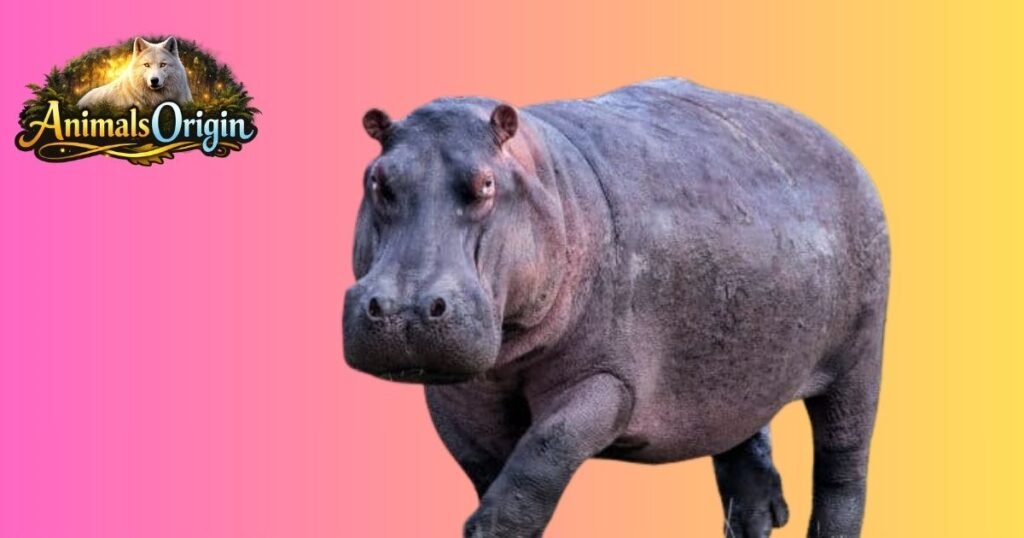
Hippopotamus
Known for their seemingly placid demeanor, hippos’ rounded forms are deceptive; they can run swiftly on land and are surprisingly agile in water. Their size allows them to dominate their habitats while still being endangered.
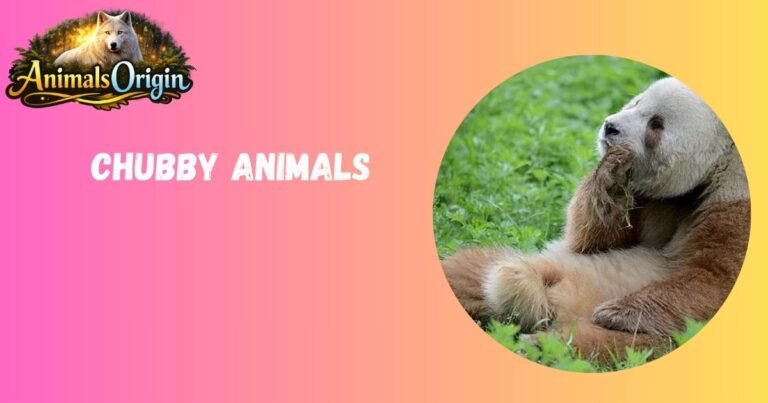
Giant Panda
The iconic black-and-white fur and plump form make the giant panda a symbol of wildlife conservation. Their spherical figures not only exude cuteness but are also a reflection of their bamboo-rich diet, which emphasizes the importance of habitat preservation.
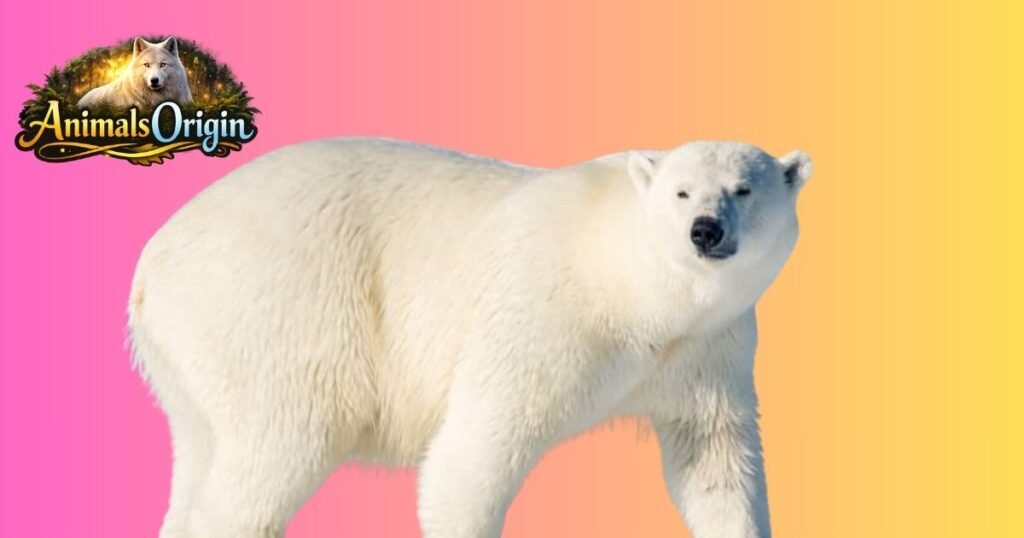
Polar Bear
The largest land carnivore, its rounded body provides necessary insulation against the harsh Arctic climate. With climate change threatening their icy habitats, these majestic bears remind us of nature’s delicate balance.
Brown Bear
Brown bears showcase an impressive girth that correlates to their hibernation habits. This roundness is a testament to their preparation for months of dormancy, demonstrating the crucial connection between body shape and survival strategies.
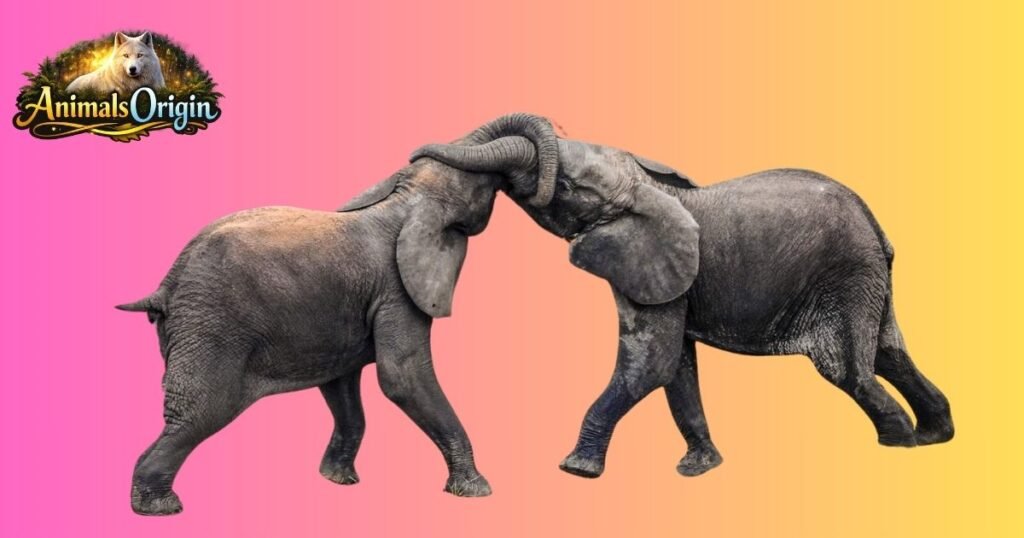
African Elephant
The African elephant’s massiveness is more than just impressive; it’s critical for thermoregulation and mobility through their environments. Their rounded forms help them navigate various terrains, highlighting the fluidity of size and function in nature.
Wild Boar
Wild boars display a surprising roundness as they forage, their robust bodies built for endurance as they roam through diverse habitats. Their physical adaptability reflects the resourcefulness found in the animal kingdom.
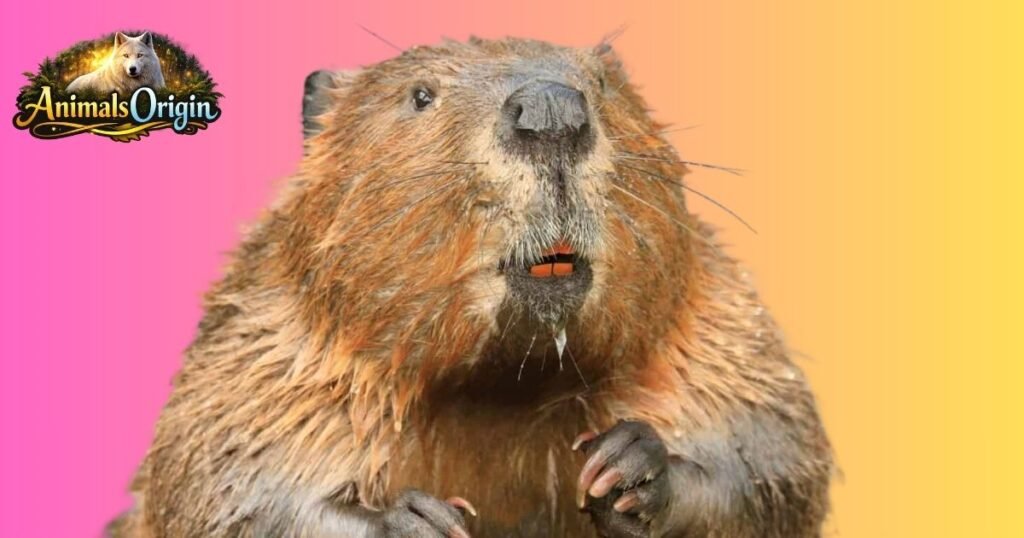
Beaver
Known for their mastery of engineering rather than speed or grace, beavers’ rounded forms help them remain buoyant while busy constructing complex dams. Their ability to manipulate their environment is a stunning reminder of nature’s ingenuity.
Groundhog
Often overlooked, groundhogs possess an endearing roundness that belies their important role in ecosystems as both herbivores and prey. Their chunky silhouettes add to the charm of these often underestimated rodents.
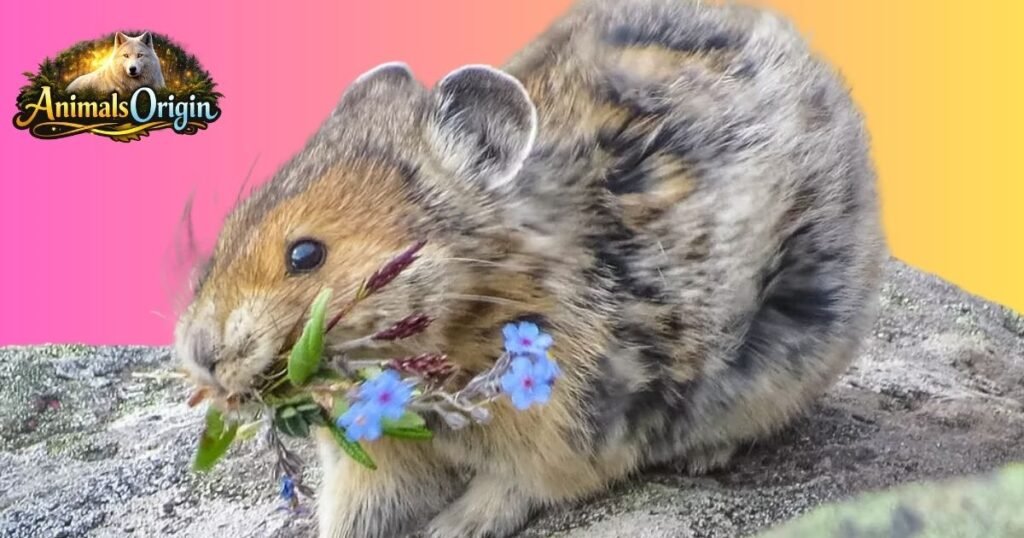
Pika
Small yet remarkably rotund, pikas are considered sentinel species in their high-altitude habitats. Their rounded bodies are perfect for storing food in the harsh mountain climates, highlighting the intricate balance between form and function in survival.
Fattest Animals That Store Extra Energy for Survival
Survival Strategy
Fat animals in the wild, like the adorable capybara, not only look chubby but also harness their excess energy for survival. During lean seasons, these plump creatures rely on stored fat to sustain themselves, showcasing an incredible adaptation to their environment.
Fat for the Future
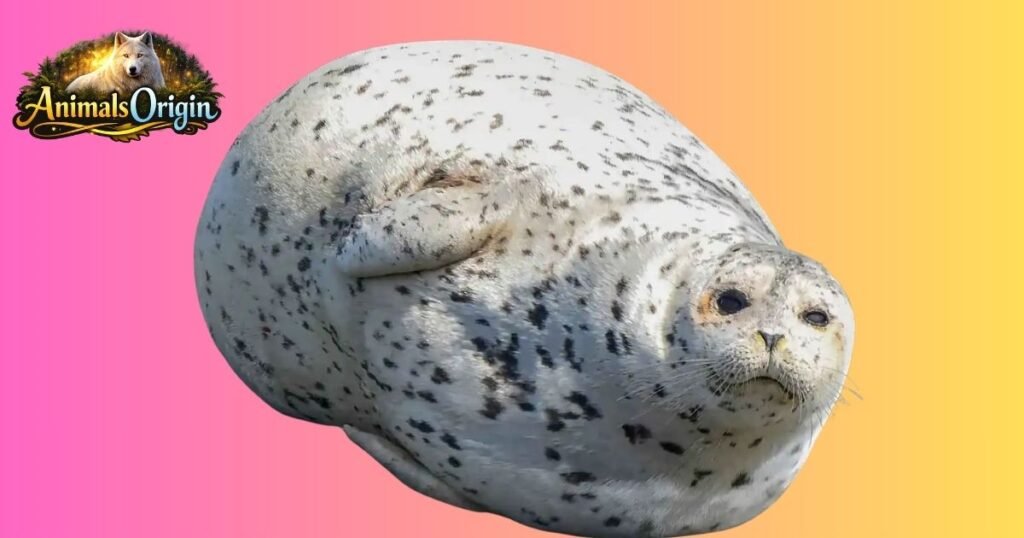
Think of the rotund harbor seal, which layers on blubber before migrating long distances. This fat serves as more than insulation; it’s a vital energy reserve that fuels their lengthy journeys across frigid waters, highlighting the dual role of fat as both insulation and sustenance.
Biodiversity and Resilience
Many fat animals, from the classic *pika* to the chunky *polar bear*, illustrate how biodiversity is intertwined with resilience. Their ability to store extra energy enables them to thrive in harsh climates and navigate periods of scarcity, reminding us that body fat isn’t just a trait; it’s a testament to evolutionary ingenuity.
Where the World’s Fattest Animals Live
Arctic Giants
The polar bear reigns supreme among the world’s heaviest land carnivores, residing in the frigid Arctic. Adapted to cold climates, its thick blubber allows it to retain heat and thrive in icy environments. This remarkable adaptation not only helps them survive harsh winters but also positions them as the ultimate apex predators in their snowy domain.
Blubbery Sea Mammals
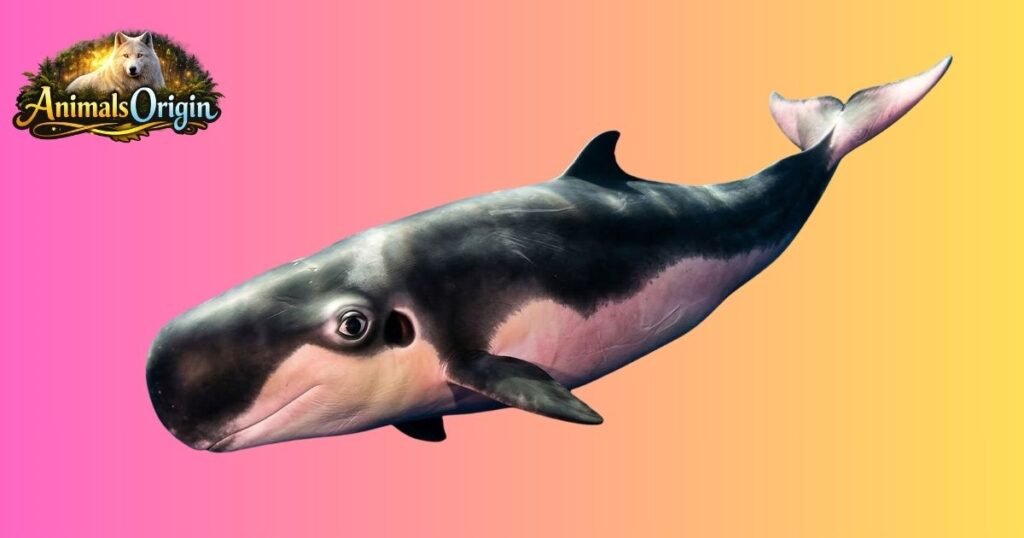
In the warm, temperate waters of the Pacific and Atlantic Oceans, marine mammals like the sperm whale and the walrus showcase astonishing body fat storage. These animals are not just built for buoyancy; their thick layers of blubber insulate them from the cold depths of the sea, highlighting the stark contrasts in adaptations for temperature regulation in aquatic ecosystems.
Desert Dwellers
Surprisingly, some of the world’s fattest animals can also be found in hot climates. The fat-tailed scorpion and some species of camels store fat as a survival strategy to endure extreme heat and prolonged droughts. These adaptations demonstrate that in the animal kingdom, being ‘fat’ isn’t just about excess; it’s a vital resource for survival in diverse habitats.
How Fattest Animals Stay Active Despite Their Size
Fat animals often challenge our perceptions of mobility, demonstrating that size doesn’t equate to inactivity. Many species have evolved unique adaptations that enable them to remain surprisingly agile despite their bulk. For instance, the hippopotamus, with its massive frame, can surprisingly glide through water, using its dense body to stay submerged while moving gracefully. This innate buoyancy allows them to traverse vast stretches of river with ease, showcasing that fat isn’t always a barrier to motion.
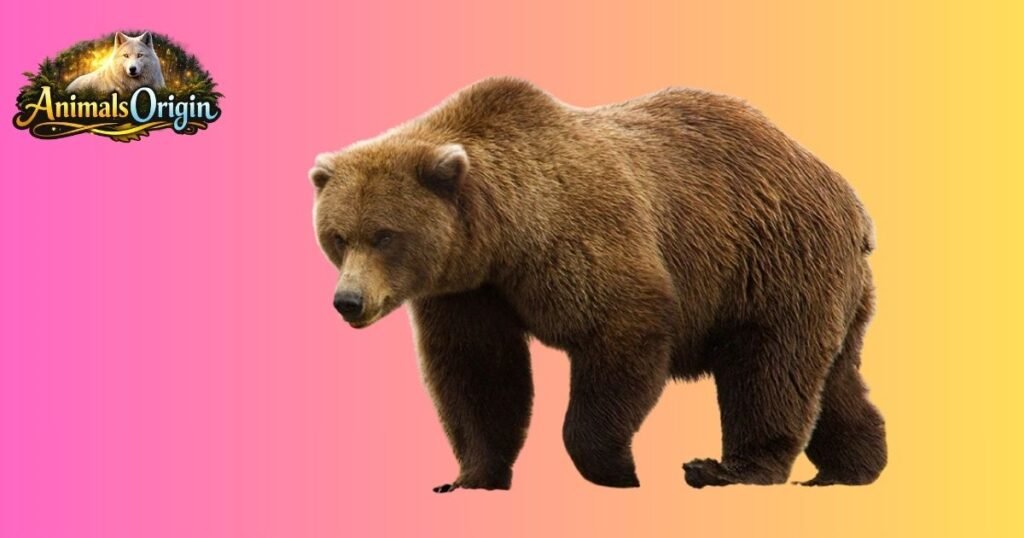
Moreover, the energy reserves held in the fat of these animals serve as essential fuel for their stamina during periods of limited food availability. Animals like bears can hike and roam extensive territories while carrying significant weight, relying on their fat stores.
Final Words
In conclusion, the world of fattest animals is not only adorable but also showcases the incredible diversity of wildlife. From the hefty, pudgy penguin waddling on icy shores to the round, fluffy walrus lounging on its favorite beach, these surprisingly chubby creatures remind us to appreciate the beauty in all shapes and sizes.
It’s essential to celebrate the uniqueness of each species, as they play crucial roles in their ecosystems. While we can’t all be as carefree as these animals, we can certainly draw inspiration from their charming physiques and delightful antics. So next time you spot a chubby animal, take a moment to appreciate its place in nature!
FAQs
What are the Fattest Animals Ever Seen?
When we think about the fattest animals in the wild, a few immediately come to mind. One of the top contenders is the blue whale, not only the fattest wild animal but also the largest creature ever to exist!
What is the Fattest Wild Animal?
The fattest wild animal is often considered to be the Southern elephant seal. Males can weigh up to 4,500 pounds (around 2,000 kg) and can get quite chunky!
What is Fatter Than a Hippo?
When we think of animals that are fatter than hippos, the first contender that comes to mind is the blue whale. These gentle giants can weigh over 200 tons, which is way more than a hippo’s hefty 3,000 to 4,000 pounds.