Fat Birds: 15 Chubby and Plump Bird Species
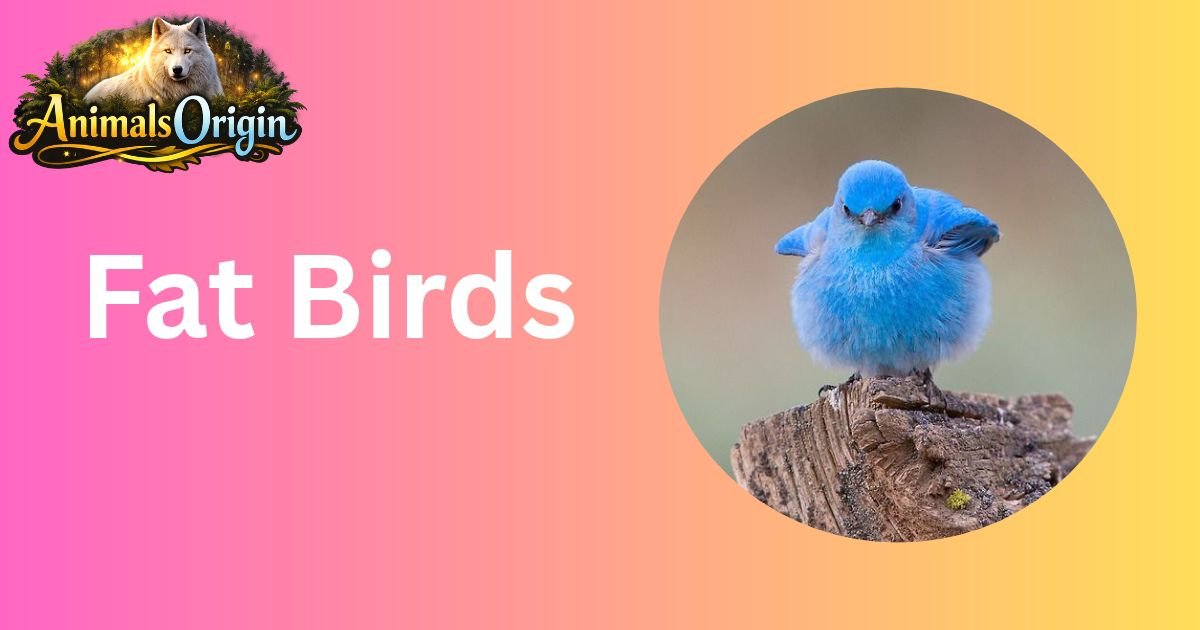
In the realm of fat birds, size truly does matter, with plump species showcasing eye-catching beauty and delightful behavior. Did you know that some of the world’s most charming avians come with a little extra fluff?
This article delves into 15 chubby and charming bird species that make our planet’s skies a little brighter. By exploring these delightful birds, you’ll gain a newfound appreciation for the diversity of avian life and learn what makes these stout features so special.
What Are Fat Birds?
Fat Birds, often seen as a whimsical topic, reveal fascinating insights into the ecology and behavior of avian species. These birds, characterized by their robust physiques and soft feathers, often thrive in urban and suburban environments where food sources are plentiful.
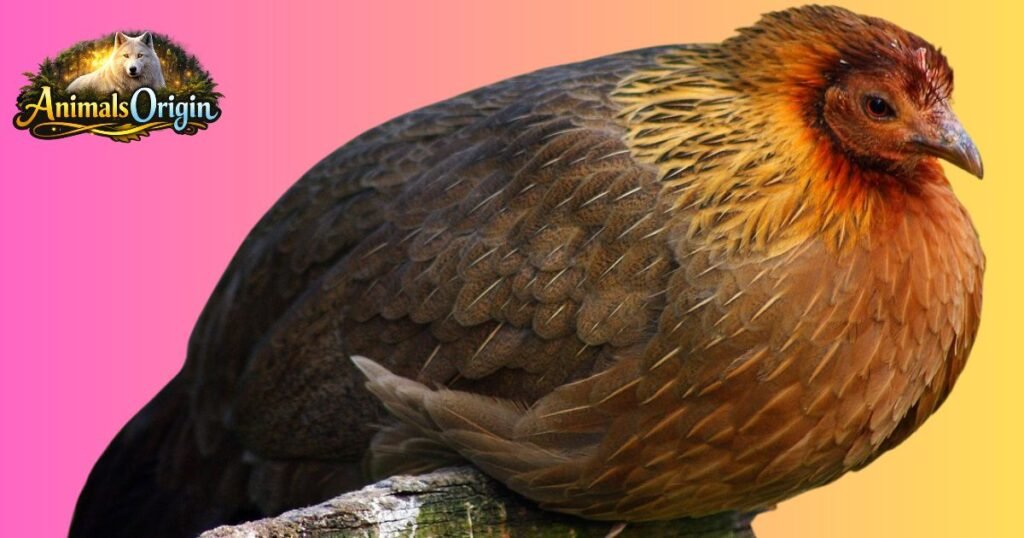
Observing Fat Birds can provide a window into their feeding habits, suggesting that their ability to adapt to human-altered landscapes plays a significant role in their increasing popularity among birdwatchers. Moreover, the abundance of Fat Birds can indicate the health of local ecosystems. A growing population of these plump aviators may point to an area rich in resources, displaying a successful balance within the food chain.
15 Fat Birds You Should Know
Alist of name of 15 fat birds.
- Emperor Penguin
- King Penguin
- Atlantic Puffin
- Rockhopper Penguin
- Macaroni Penguin
- Domestic Turkey
- Muscovy Duck
- Mute Swan
- Common Eider
- Victoria Crowned Pigeon
- Kākāpō
- Southern Cassowary
- Hoatzin
- Eurasian Eagle-Owl
- Great Bustard
Emperor Penguin
The largest of all penguins, these majestic birds can weigh up to 90 pounds. Their robust size helps them endure the harsh Antarctic winter, showcasing a unique blend of beauty and resilience.
King Penguin
Slightly smaller than their Emperor cousins, King Penguins still impress with their striking orange and yellow markings. They engage in fascinating courtship dances that highlight both their social nature and their vibrant plumage.
Atlantic Puffin
Known for their colorful beaks, these charming seabirds boast an adorable rotund body that adds to their appeal. They are excellent swimmers, using their wings to propel through the water while diving for fish.

Rockhopper Penguin
With their signature spiky feathers, Rockhopper Penguins are both comical and endearing. Their ability to hop between rocky terrains makes them distinct within the penguin family, emphasizing their adaptability.
Macaroni Penguin
Sporting flamboyant yellow crests, Macaroni Penguins are the ultimate party birds of the penguin world. Their lively personalities and social behaviors make nesting colonies bustling hubs of activity during breeding season.
Domestic Turkey
Often overlooked, domestic turkeys can weigh as much as 40 pounds. Their larger-than-life presence isn’t just for show; it speaks to centuries of selective breeding for size in poultry farming.
Muscovy Duck
This heavy, resilient duck showcases unique red facial caruncles, setting them apart from their peers. Known for their friendly demeanor, they can thrive both in the wild and as pets, demonstrating versatility in different habitats.

Mute Swan
Graceful and impressive, Mute Swans can weigh over 30 pounds. Their grandeur belies a fierce protective instinct, especially when guarding their nests, showcasing a complex mix of beauty and strength.
Common Eider
These sea ducks possess a thick layer of body fat that makes them resilient in cold waters. Known for their luxurious down feathers, they have been cherished by humankind for centuries, intertwining their existence with cultural heritage.
Victoria Crowned Pigeon
With their stunning blue-gray plumage and filigree crest, these large pigeons are the world’s heaviest. They are not just a sight to behold; their gentle nature and complex vocalizations reveal an intelligent and social species.
Kakapo
This flightless parrot from New Zealand is not only heavy but also critically endangered. Known for their nocturnal habits and unique boisterous mating calls, they captivate conservationists and bird enthusiasts alike.

Southern Cassowary
Bearing a strikingly vibrant blue and black plumage, the Southern Cassowary is both endangered and fascinating. Its size and powerful leg muscles emphasize the importance of environmental conservation for such unique wildlife.
Hoatzin
Often called the “stinkbird” due to the odor from its digestive system, this Amazonian bird does not just stand out in appearance but also in behavior, with young hoatzins able to swim and climb to evade predators.
Eurasian Eagle-Owl
One of the heaviest owl species, their formidable size is matched only by their striking gaze and impressive wingspan. Known for their adaptability, they thrive in various habitats, offering insights into ecological resilience.
Great Bustard
The world’s heaviest flying bird, the Great Bustard, can weigh up to 40 pounds and is known for their impressive courtship displays. These large birds symbolize conservation efforts, illustrating the delicate balance between human impact and wildlife preservation.
Why Fat Birds Have Round Bodies
The fat birds we often enjoy watching in our backyards showcase a fascinating alignment between their round bodies and their survival strategies. Unlike more streamlined species, these chubby birds have evolved to carry extra fat, which serves multiple purposes. The round shape not only aids in thermoregulation, keeping them warm during colder months, but also acts as a buffer during challenging weather conditions.
This design allows them to tap into their energy reserves when food becomes scarce, showcasing a clever adaptation to their environment. Moreover, being a plump bird has its advantages when it comes to attraction and mating rituals. Larger, more robust birds are often perceived as healthier and more capable, making them more appealing to potential mates.
Birds That Start With T: 15 Fascinating Species to Know
Fat Birds and Their Natural Habitats
In the vibrant realm of fat birds, their natural habitats play a crucial role in shaping their unique adaptations. Many large birds, like the puffin or the American robin, thrive in environments rich in food sources and shelter. These round birds are often found in diverse terrains, from coastal cliffs to lush forests, each habitat providing a buffet of insects, fruits, and seeds that fuel their robust physiques.

This not only influences their foraging behaviors but also impacts their mating rituals, attracting partners who favor health and vitality. Interestingly, the phenomenon of big birds is not just a product of evolutionary chance; it often stems from the availability of food and the pressures of predation. In more temperate climates, for example, these fat birds can afford to store fat reserves, allowing them to survive harsh winters.
Fat Birds: Diet and Feeding Habits
In recent years, the fascination with fat birds has soared, drawing attention to the delicate balance between a bird’s diet and its overall health. While chubby creatures like the heavy birds often appear cute and endearing, their weight can signal underlying health issues.
The core of this phenomenon lies in their feeding habits. Many overweight birds thrive in environments rich in artificial food sources, such as bird feeders laden with seeds high in fat content. This abundance can make it easy for them to pack on the pounds, transforming them into fat-looking birds.
Final Words
The world of fat birds is as diverse as it is fascinating. From the rotund European Robin to the plump American Woodcock, these species showcase the beauty and variety of our feathered friends. While their adorable sizes may draw smiles, they also play vital roles in their ecosystems.
As we continue to appreciate and protect these chubby creatures, we remind ourselves of the importance of biodiversity. So, next time you spot a round bird at your feeder, take a moment to appreciate its charm and the role it plays in nature.
FAQs
What is the Fattest Bird Species?
The heaviest bird species is the common ostrich (Struthio camelus). Adult males can weigh 220 to 350 pounds, with some exceptional individuals tipping the scales at over 400 pounds. These flightless birds are native to Africa and are known for their impressive height, reaching up to 9 feet tall.
What are Fat Birds?
“Fat Birds” typically refers to a social media trend where people share photos or videos of overweight or fluffy birds, often highlighting their adorable and comical features. This term has gained popularity because these birds are endearing, making them a source of joy and humor online.
Are There Overweight Birds?
Yes, there are overweight birds. Just like mammals, birds can become obese, particularly in captive settings where their diets are often too rich, and exercise opportunities are limited. Obesity in birds can lead to various health issues, including heart disease and joint problems.