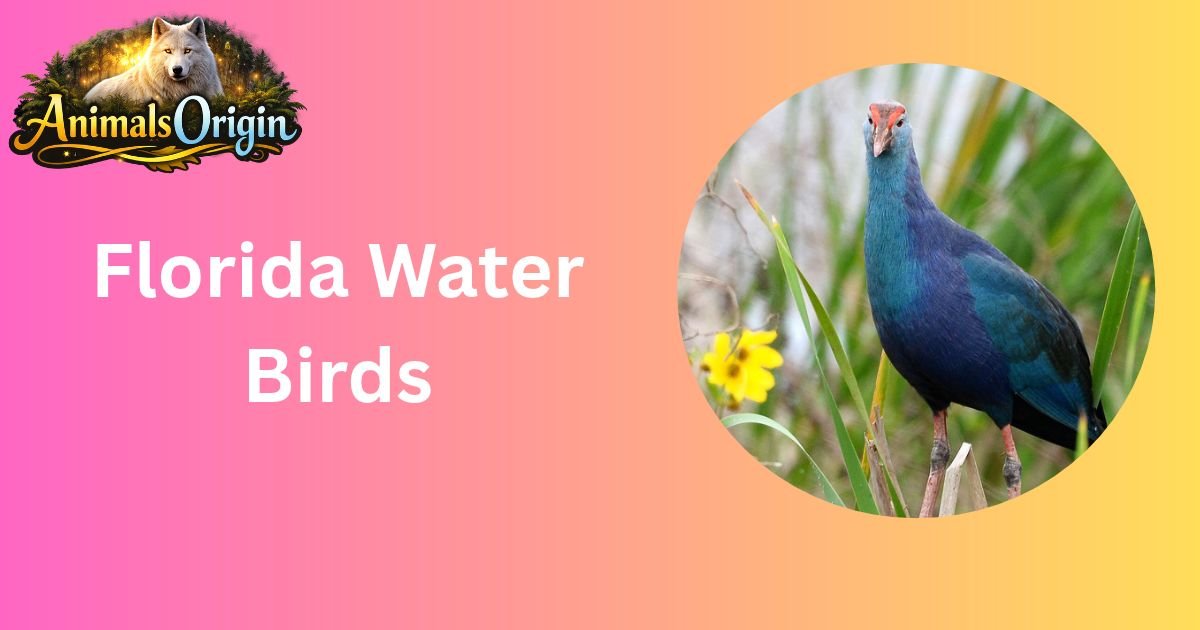
Florida Water Birds: 15 Species You Can Spot in Wetlands
If you’ve ever strolled through the state’s lush wetlands, you’ve likely spotted some of these magnificent creatures. Did you know that Florida is home to more than 40 different species of water birds?
Learning about Florida water birds isn’t just a fun pastime; it connects us to the diverse ecosystems that thrive in our backyard. In this article, we’ll explore 15 species that you can easily spot while enjoying Florida’s stunning natural landscapes, enhancing your appreciation for these remarkable avian residents.
What Are the Most Common Florida Water Birds?
Florida is a paradise for birdwatchers, boasting a rich biodiversity that includes a variety of Florida water birds. Among the most iconic are the elegant Great Egret and the striking Roseate Spoonbill. The Great Egret, with its long neck and striking white plumage, glides gracefully across the landscape, often seen hunting for fish in shallow waters. Meanwhile, the Roseate Spoonbill captivates with its vibrant pink feathers, reflecting the stunning hues of the Florida sunsets.

Another fascinating member of the Florida water birds family is the Black-bellied Whistling Duck, recognized by its distinctive whistle and vibrant coloration. These ducks are social creatures, often found congregating in large flocks, displaying a lively and engaging dynamic that makes them a joy to observe.
15 Florida Water Birds to Know
Below is the list of Florida water birds
- Great Blue Heron
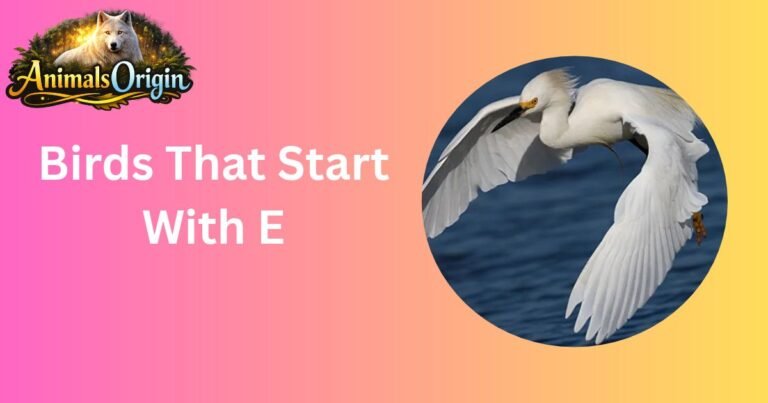
- Great Egret
- Snowy Egret
- Brown Pelican
- American White Pelican
- Roseate Spoonbill
- Wood Stork
- Anhinga
- Double-Crested Cormorant
- Black-Crowned Night Heron
- Green Heron
- White Ibis
- Limpkin
- American Coot
- Tricolored Heron
Great Blue Heron
This majestic bird, with its striking silhouette and long legs, is a fisherman’s companion in Florida’s wetlands. Known for its patience, it can stand motionless for hours, waiting for the perfect moment to strike.
Great Egret
Graceful and elegant, the Great Egret is often seen in shallow waters, its brilliant white feathers contrasting against the lush landscape. This bird not only captivates with its beauty but also plays a crucial role in controlling fish populations.
Snowy Egret
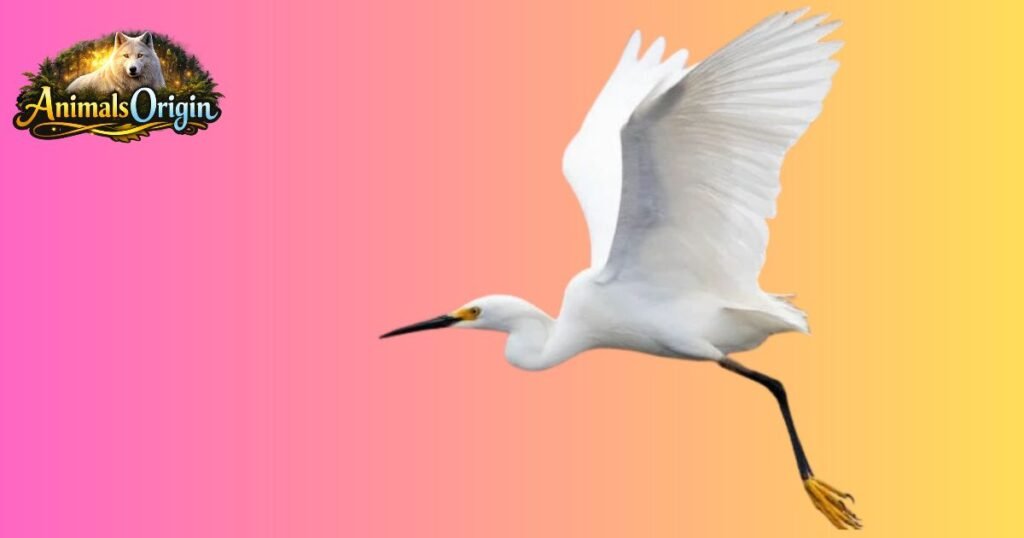
With its feathery plumes and distinctive yellow feet, the Snowy Egret is a symbol of coastal swamps. Its lively hunting technique, characterized by rapid foot movements to stir up fish, is a captivating sight.
Brown Pelican
A Florida icon, the Brown Pelican is famous for its dramatic plunge dives when fishing. Watching them soar above the water, only to dive headfirst into the sea, showcases their unique hunting adaptations.
American White Pelican
Unlike its brown counterpart, this pelican is known for its massive wingspan and cooperative fishing tactics. Often spotted in large groups, they work together to corral fish, demonstrating the power of teamwork.
Roseate Spoonbill
With its vibrant pink hue and distinctive spoon-shaped bill, the Roseate Spoonbill is both a surreal and beautiful sight. This bird adds a splash of color to Florida’s wetlands and thrives in diverse habitats.
Wood Stork
The Wood Stork, often seen foraging in wetlands, is the only stork native to North America. Its unique bill and striking appearance make it a fascinating subject for birdwatchers and photographers alike.

Anhinga
Often referred to as the “snakebird” due to its swimming style, the Anhinga is a master of the water. Its ability to dive gracefully and catch fish makes it a key player in aquatic ecosystems.
Double-Crested Cormorant
With its unusual swimming posture and impressive diving skills, the Double,Crested Cormorant is a marvel to observe. Its ability to dry its wings outstretched after a fishing spree adds to its charm.
Black-Crowned Night Heron
This nocturnal bird is known for its stunning glossy plumage and red eyes. Its adaptability to urban environments makes it a wonderful example of resilience in avian species.
Green Heron
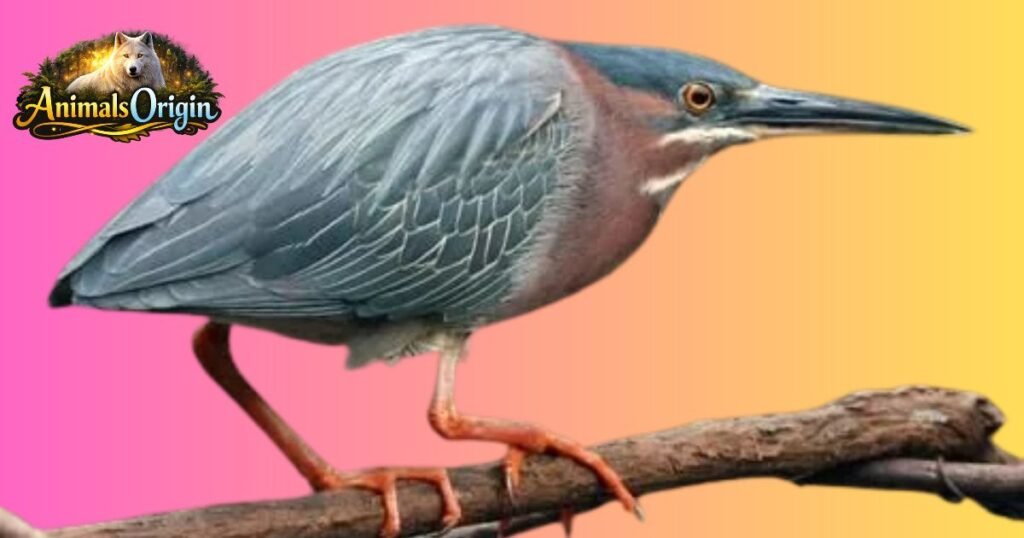
Small but fierce, the Green Heron employs clever fishing tactics, using bait like insects to lure fish. This behavior showcases its intelligence and adaptability to various feeding strategies.
White Ibis
This striking bird is often seen foraging in the mud, using its long curved bill to probe for crustaceans and insects. Their social nature means they’re rarely seen alone, adding life to Florida’s wetlands.
Fat Birds: 15 Chubby and Plump Bird Species
Limpkin
With its haunting calls echoing through the swamps, the Limpkin specializes in feeding on apple snails, showing how unique adaptations can shape a bird’s niche in the ecosystem.
American Coot
Often mistaken for ducks, the American Coot is a striking presence on freshwater lakes. Its playful antics and social behavior make it a delight to watch, especially during breeding season.
Tricolored Heron
The Tricolored Heron, with its intricate plumage, displays a unique foraging style characterized by swift movements. This striking bird adds both beauty and importance to the delicate balance of coastal ecosystems.
Where Florida Water Birds Live
Florida water birds thrive in a stunning array of habitats that highlight the state’s diverse ecosystems. From the expansive Everglades to the tranquil shores of the Gulf Coast, these Florida wetland birds find sanctuary in both freshwater and saltwater environments. Mangroves, marshes, and tidal flats serve as their bustling neighborhoods, providing essential nesting sites and abundant food sources.
Intriguingly, the seasonal migration patterns of these water birds in Florida reveal much about their resilience and adaptability. In the winter months, you might spot the striking black skimmers and sandhill cranes as they flock to warmer locales, transforming the landscape into a bustling avian community.
What Florida Water Birds Eat
In the diverse ecosystem of Florida wetlands, the diet of Florida shorebirds and Florida wading birds reflects their extraordinary adaptability. These remarkable birds of Florida wetlands often employ unique hunting techniques that range from the visually striking to the downright fascinating. For instance, the elegant heron uses its long neck and sharp beak to spear unsuspecting fish, while plovers and sandpipers engage in the quick pecking of the shore to unearth small invertebrates hidden in the sand.

Aquatic habitats teem with life, making it a haven for Florida aquatic birds. They feast on a smorgasbord of goodies, from fish and crustaceans to insects and amphibians. However, it’s not just a free-for-all; many of these birds have specialized feeding strategies, such as the spoonbill, which sifts through the murky waters with its uniquely shaped bill, catching shrimp and tiny fish in a gentle motion.
How Florida Water Birds Adapt to Wetlands
The Florida water birds exhibit incredible adaptations that enable them to thrive in the diverse and dynamic wetland ecosystems. For instance, species like the great blue heron and white ibis have developed long legs specifically designed for wading through shallow waters, allowing them to hunt for fish and crustaceans with ease.
Their elongated necks facilitate graceful strikes, showcasing a combination of speed and precision that is a hallmark of these Florida lake birds. Moreover, Florida coastal birds, such as the black skimmer and least tern, have adapted to the saline environments of coastal wetlands. Their unique beaks allow them to skim the surface of the water, efficiently capturing small fish while minimizing energy expenditure.
Final Woeds
Florida’s wetlands are a vibrant sanctuary for a diverse array of Florida water birds. From the striking Great Egret to the playful Roseate Spoonbill, each species adds its own unique charm to the ecosystem. Observing these magnificent creatures in their natural habitat is not just a delight but also a reminder of the importance of protecting their environments.
Whether you’re a seasoned birdwatcher or a casual outdoor enthusiast, taking the time to explore these wetlands can be a rewarding experience. So grab your binoculars and venture out to witness the beauty of Florida’s water birds firsthand.
FAQs
What Water Birds Live in Florida?
Florida is home to a diverse range of water birds, thanks to its extensive wetlands, lakes, and coastal areas. Common species include the Great Blue Heron, which can often be spotted wading in shallow waters, and the iconic Roseate Spoonbill, known for its striking pink plumage. Pelicans, especially Brown Pelicans, are frequent flyers along the coast, spectacularly diving for fish.
What Kind of Birds in Florida Swim?
Florida is home to several bird species that love the water. Notable swimmers include the American coot, which often paddles around in lakes and marshes. You’ll also spot ducks like the mallard and wood duck, making the most of the state’s numerous waterways.
What is Florida’s Most Common Bird?
Florida’s most common bird is the Northern Mockingbird. This adaptable species can be found throughout the state in urban areas, gardens, and parks. Known for its varied and melodious song, the mockingbird is often recognized by its gray plumage and distinctive white wing patches.