
Animals That Eat Ants: 15 Fascinating Ant-Eating Animals
From powerful anteaters to crafty birds, these creatures play an essential role in their ecosystems and offer fascinating insights into nature’s balance. Did you know that some of the most unique animals that eat ants don’t just munch on these tiny insects but rely on them for survival?
We’ll explore 15 remarkable ant-eating animals, unveiling their survival strategies and their connection to the natural world. Prepare to be amazed as we dive into the incredible adaptations that make these animals so successful at hunting ants.
Which Animals Eat Ants?
Ants are not just industrious little creatures; they’re a vital food source for a variety of wildlife. Among the animals that eat ants, the most famous is the giant anteater. With its elongated snout and specialized tongue, it can consume thousands of ants in a single day, showcasing nature’s incredible adaptations. But anteaters aren’t the only ones; other mammals like aardvarks and pangolins also have a taste for ants, demonstrating a fascinating evolutionary relationship between predators and prey.
Birds are another group that actively seeks out ants. Many insectivorous birds, such as the red-chested swallow, incorporate ants into their diets, using their sharp beaks to snatch them off the ground. Even some reptiles, like certain species of lizards, will hunt ants as part of their diverse diet.
15 Animals That Eat Ants
List of the 15 animals that eat ants.
- Anteater
- Aardvark
- Pangolin
- Echidna
- Armadillo
- Chimpanzee
- Brown Bear
- Sloth Bear
- Black Bear
- Green Woodpecker
- Northern Flicker
- Horned Lizard
- Frog
- Toad
- Antlion Larva
Anteater
As the quintessential ant eater, the anteater has evolved a specialized snout and long tongue, allowing it to extract ants from their nests without breaking a sweat. Their keen sense of smell guides them to hidden colonies, where they can consume thousands of ants in a single day.

Aardvark
Nighttime prowlers, aardvarks use their strong claws to dig into the earth, unearthing ant mounds with surprising agility. Their long, sticky tongues are perfectly adapted for slurping up their favorite insect treats, making them the nocturnal answer to the anteater.
Pangolin
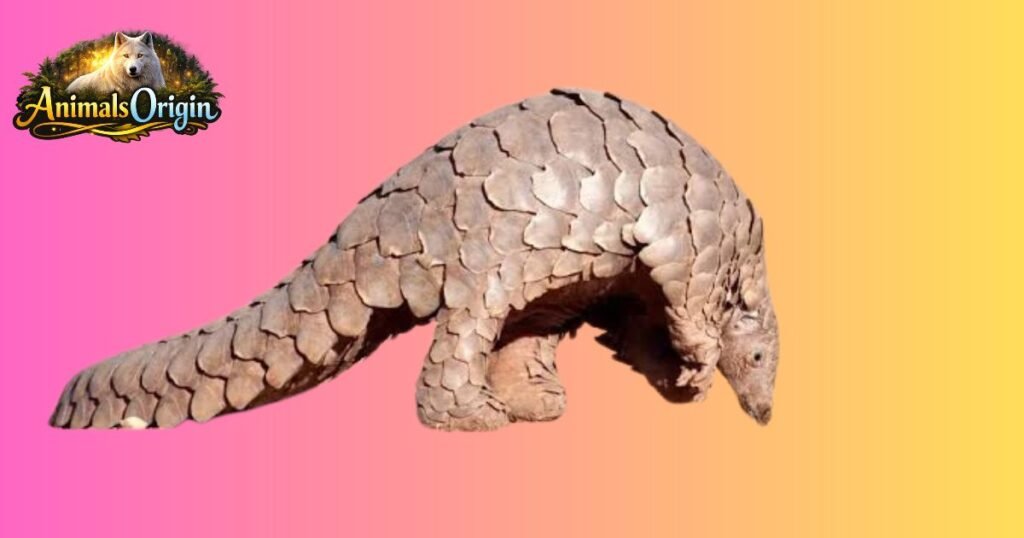
Often misunderstood, pangolins are covered in protective keratin scales that shield them while they forage for ants. With a tongue that can extend further than their body, these unique animals are true champions of ant consumption, demonstrating extraordinary feeding strategies.
Echidna
This spiny monotreme employs its long tongue to snag ants and termites, showcasing nature’s versatility. Interestingly, echidnas possess electroreceptors in their snouts, helping them locate their prey even beneath the soil.
Armadillo
Known for their tough exterior, armadillos are not just defenders; they are also adept ant-hunters. Their ability to dig swiftly allows them access to anthills, reminding us that toughness comes with skill.

Chimpanzee
Our closest relatives have been observed using sticks to extract ants from their mounds, demonstrating an impressive tool-use capability that highlights their intelligence and adaptability in foraging.
Brown Bear
Although primarily omnivorous, brown bears occasionally indulge in ants during the warmer months. Their keen sense of smell helps them locate these protein-packed morsels, providing a tasty snack in their diverse diet.
Animals With Down Syndrome: 15 Animals With Unique Genetic Conditions
Sloth Bear
These bears have a distinctive diet focused heavily on ants, using their long snouts and strong claws to break open anthills and devour the busy insects inside. Their unique adaptations make them fascinating players in their ecosystem, showcasing the diverse ways animals can thrive on seemingly simple diets.
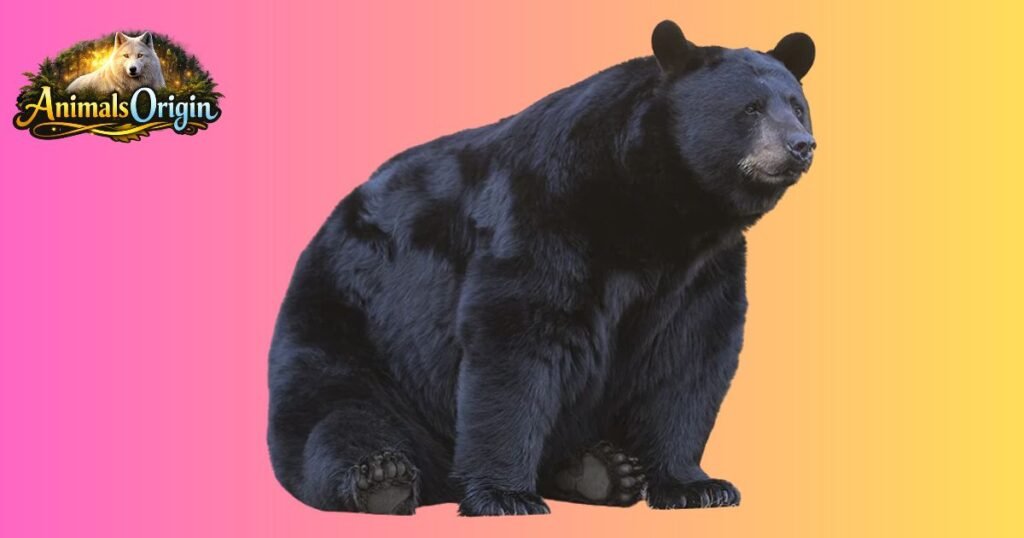
Black Bear
Surprisingly, black bears are not just foragers of berries and nuts; they also enjoy a protein boost from ants. Their dexterous paws can break open ant mounds, making them effective foragers.
Green Woodpecker
This striking bird has a unique feeding technique, using its long tongue to probe deep into tree bark for ants. By tapping rhythmically, the Green Woodpecker lures ants out of hiding, showcasing nature’s intriguing predator-prey dynamics.
Northern Flicker
Another woodpecker, the Northern Flicker, takes on a slightly different method by foraging on the ground, digging into ant hills. Its willingness to adapt its feeding habits reflects the diverse ecological roles these birds play.
Horned Lizard
Known as “horny toads,” these lizards have a diet focused almost entirely on ants. Their flat, wide bodies allow them to blend seamlessly into their surroundings, making them effective ambush predators as they wait for a tasty ant to wander by.
Frog and Toad
Various frog and toad species are opportunistic eaters, often snatching up ants that venture too close. Their quick reflexes and sticky tongues enable them to catch multiple ants in a single leap.

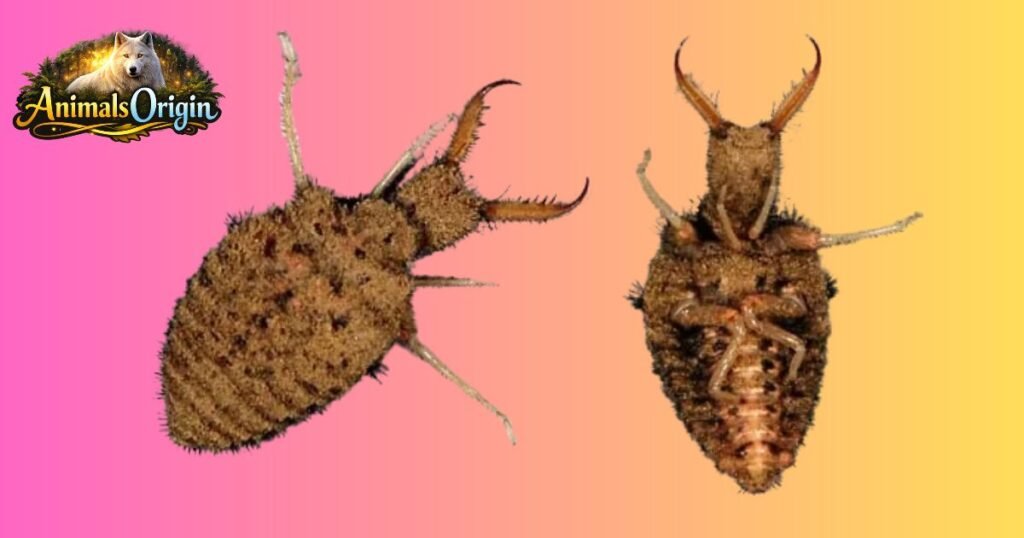
Antlion Larva
The predatory antlion larva, often found in sandy environments, exhibits a fascinating strategy. It constructs conical pits to capture ants that inadvertently slide in, showcasing the beauty of adaptation in the animal kingdom.
Each of these animals reveals an intricate web of relationships within ecosystems, highlighting how even the smallest creatures, like ants, play a crucial role in the diets of many larger species. The predator can sometimes become prey, illustrating the delicate balance of nature.
How Animals Catch and Eat Ants
In the vast tapestry of nature, various ant-eating animals have evolved fascinating adaptations to catch their tiny prey. For instance, the anteater employs an elongated snout and a sticky tongue that can extend up to 2 feet, allowing it to slurp up hundreds of ants in a single session. This remarkable feeding technique showcases how specialization in anatomy enables these creatures to thrive on what’s often considered a nutrient-poor food source.
But it’s not just anteaters that indulge in this protein-rich snack; many other animals that eat ants include certain birds like the woodpecker and even primates such as capuchin monkeys. Woodpeckers use their powerful beaks to excavate ant nests from trees, while capuchins have been observed using tools to pry open ant mounds, demonstrating their intelligence.
Benefits of Ants in Animal Diets
Integrating ants into the diets of certain animals offers a wealth of nutritional benefits. Animals that eat ants, such as anteaters and some species of birds, enjoy a protein-dense food source that supports muscle growth and energy levels. These tiny insects are not only rich in protein but also contain essential amino acids and fats that contribute to overall health. The presence of chitin, a component of ant exoskeletons, plays a role in improving gut health, promoting better digestion among animals that feed on ants.
Moreover, the varied flavors of different ant species can enhance the diets of animals that eat ants. For example, the acidic taste of leafcutter ants attracts certain birds, acting as both a nutritional supplement and a natural flavor booster. This diversity in taste and texture can stimulate foraging behaviors, promoting natural hunting instincts.
Final Words
The world of animals that eat ants is both diverse and surprising, presenting the incredible adaptations that allow these creatures to thrive on such a specific diet. From the quirky anteater with its elongated snout to the crafty pangolin that uses its hard scales for protection, each animal plays a unique role in its ecosystem.
Their specialized feeding habits not only highlight their evolutionary traits but also emphasize the complex relationships within food chains. Understanding these fascinating creatures can deepen our appreciation for biodiversity and the delicate balance of nature. Explore more about these amazing animals, and consider how we can protect their habitats.
FAQs
What Is the Biggest Enemy of Ants?
The biggest enemy of ants varies depending on the species, but common threats include predators like spiders, birds, and other insects. Many animals have adapted to hunt ants due to their abundance and nutritional value. For example, certain types of wasps and beetles prey on ant colonies, significantly affecting their populations.
What Animals Get Rid of Ants?
Several animals are known for their ability to control ant populations. One of the most effective is the anteater, which specializes in eating ants and termites. Their long snouts and sticky tongues allow them to access ant nests easily. Similarly, aardvarks also feast on ants and termites, helping keep their numbers in check.
What Is the Name of The Animal That Eats Ants?
The animal that primarily eats ants is called the anteater. There are several species of anteaters, including the giant anteater, which is known for its long snout and specialized tongue that can reach deep into ant mounds.