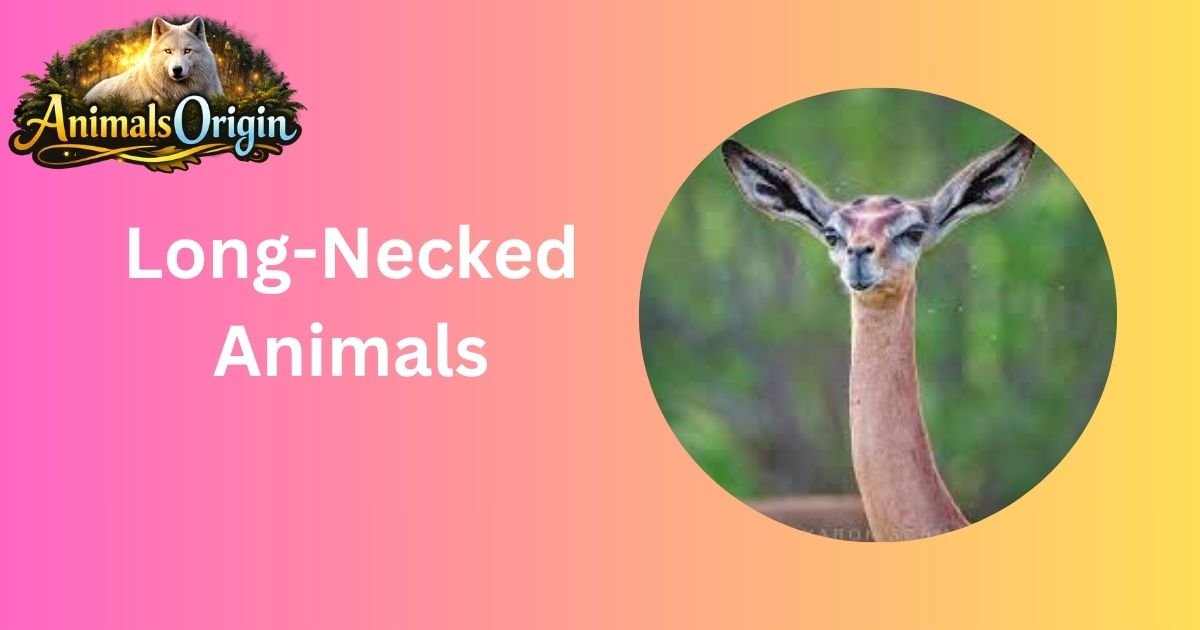
Long-Necked Animals: Nature’s 10 Most Remarkable Long-Necked Animals
Imagine towering over your peers, just to snack on the freshest leaves in the treetops! This is the reality for many Long-Necked Animals, who have evolved extraordinary adaptations to thrive.
In this guide, we’ll delve into the amazing features and functions of these animals, uncovering how their long necks provide advantages in their habitats. Whether you’re an animal enthusiast or a curious reader, you’ll gain a deeper appreciation for the wonders of nature.
Which Animals Have Surprisingly Long Necks?
When we think of Long-Necked Animals: Nature’s 10 Most Remarkable Long-Necked Animals, the giraffe immediately springs to mind, but the animal kingdom offers a surprisingly diverse roster. For instance, the okapi, often dubbed the “forest giraffe,” may not boast the same height, yet its elongated neck allows it to reach foliage in dense, tropical jungles where other herbivores struggle. This unique adaptation not only helps it forage but also cleverly disguises the okapi among the trees, showcasing nature’s ingenuity in survival.
Another fascinating example is the swimming giraffe, or the sea giraffe, otherwise known as the manatee. Its neck, while not as visibly long, plays a crucial role in grazing underwater vegetation. Manatees use their neck movements to navigate and manipulate seagrass and other plants, proving that long necks aren’t just for show; they serve practical purposes across a variety of habitats.
The 10 Tallest Long-Necked Animals in the Wild
Below is the list of 10 tallest long-necked animals in the wild.
- Giraffe
- Okapi
- Cranes
- Cassowary
- Ostrich
- Llamas
- Impala
- Swans
- Bactrian Camel
- Chinese Water Deer
Giraffe
Towering over the savannah, the giraffe is the quintessential long-necked animal, boasting a height of up to 18 feet. Their necks, which can reach 6 feet, not only grant them the ability to browse on treetop foliage but also serve as a surprising tool for combat among males during mating season.
Okapi
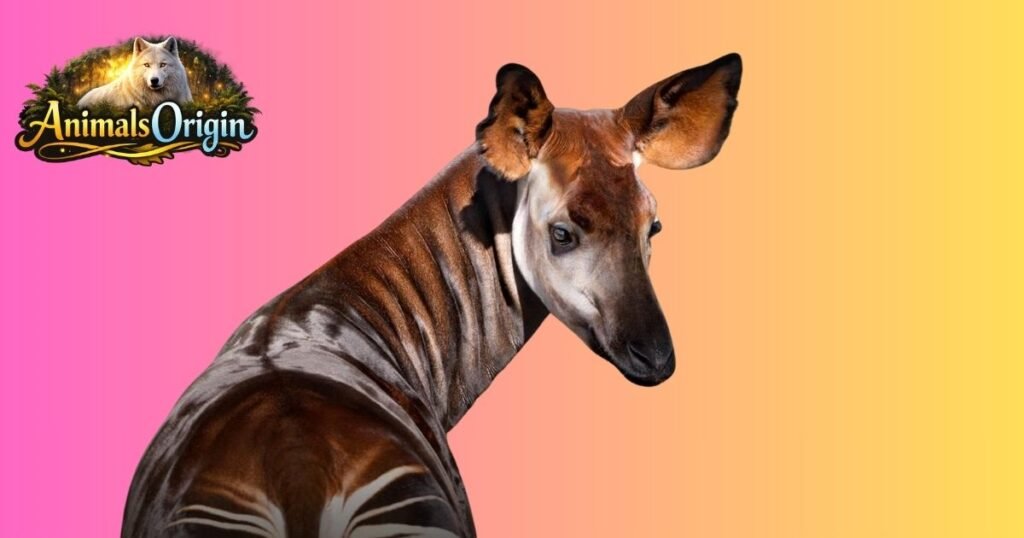
The lesser-known cousin of the giraffe, the okapi, stands at around 5 to 6 feet tall but shares a similar long neck adapted for navigating dense rainforest terrain. With their striking features and a unique pattern reminiscent of zebra stripes, these elusive animals with long necks blend seamlessly into their environment.
Cranes
Various species of cranes, including the stately Sarus crane, exhibit remarkable necks that can stretch up to 4 feet. These long-necked birds are known for their elegant courtship dances, showcasing the striking versatility of long necks beyond mere feeding.
Cassowary
This flightless bird features a neck that can be as long as 3 feet, adorned with vibrant blue and red skin. The cassowary’s long neck plays a vital role in its ability to communicate and maintain social hierarchies within the tropical forests it inhabits.
Ostrich
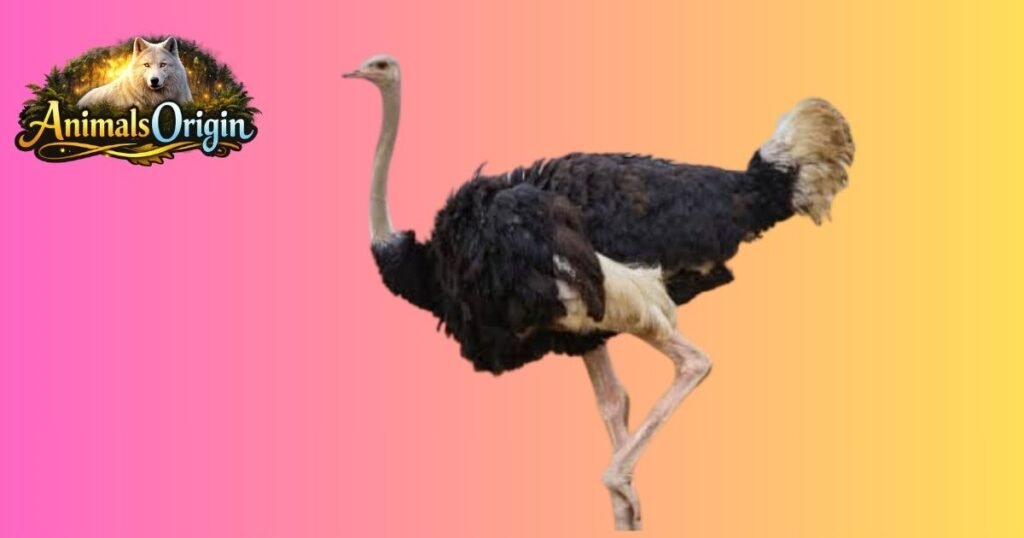
As the world’s largest bird, the ostrich has a long neck, almost 3 feet in length, that assists in spotting predators from afar. This fascinating animal is a master at sprinting, leveraging its elongated neck for optimal vision and swift escape through the African savannah.
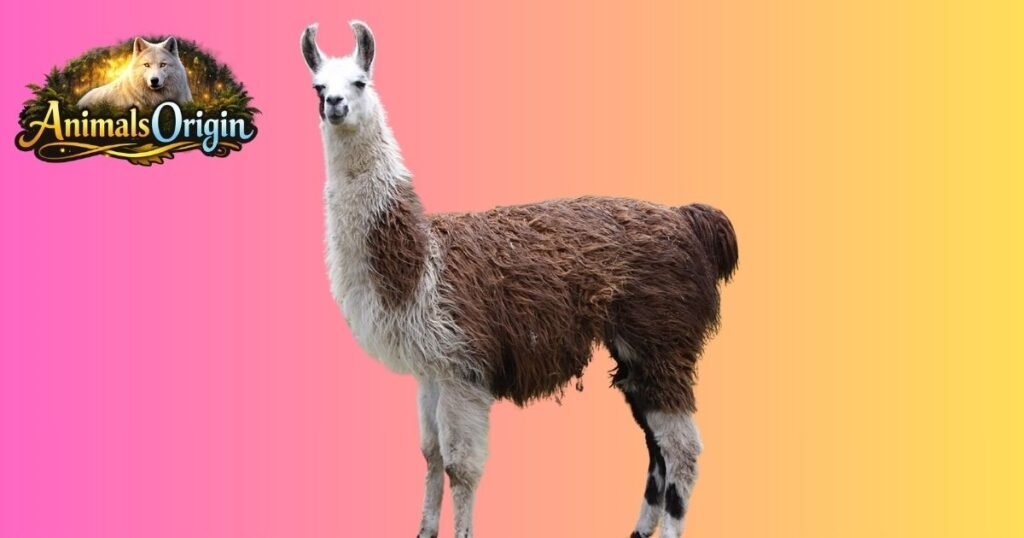
Llamas
With necks measuring about 3 to 4 feet, llamas are not just long-necked but also incredibly social creatures. Their adaptations allow them to navigate and graze on mountainous terrain, proving that long necks can equate not just to height, but to survival skills.
Impala
These graceful antelopes, standing around 3 to 4 feet tall, have elongated necks that enhance their agility and speed. Their long necks allow for better visibility, helping them detect predators in the blink of an eye when they bound through the African plains.
Swans
Known for their elegance, swans have necks that can reach up to 2 feet in length. Their long necks symbolize grace and love in many cultures, showcasing how form can intertwine with significance in the animal kingdom.
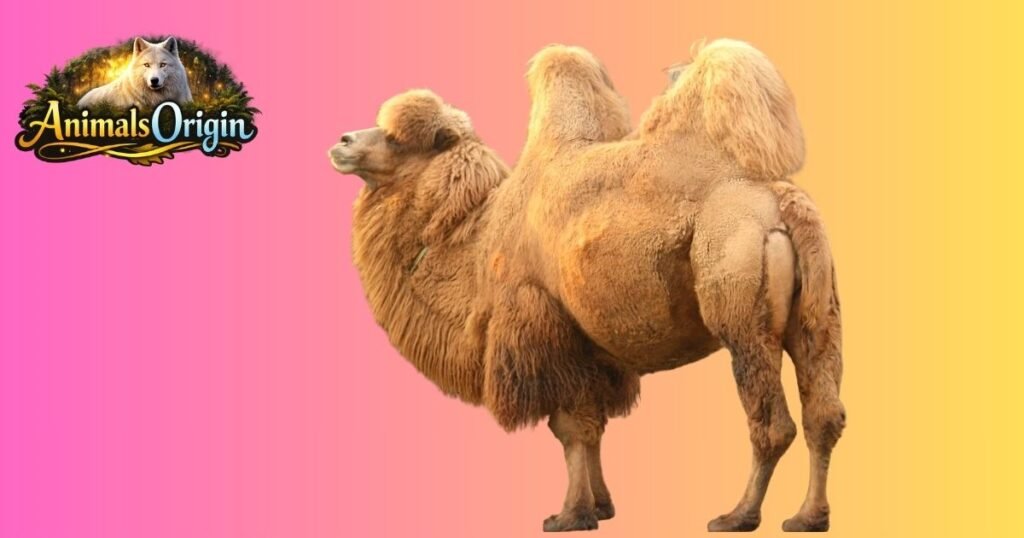
Bactrian Camel
While known for their humps, Bactrian camels also possess relatively long necks, enhancing their ability to browse on varied desert vegetation. This adaptability showcases how neck length can impact an animal’s dietary choices.
Chinese Water Deer
With necks approximately 1.5 feet long, Nature’s 10 Most Remarkable Long-Necked Animals these small deer utilize their elongated necks for enhanced mobility in their wetland habitats. Their remarkable adaptability illustrates how diverse ecosystems have shaped the evolution of animals with long necks across the globe.
Animals With Long Necks That Aren’t Giraffes
Okapi: Often overshadowed by its more famous relative, the giraffe, the okapi boasts a long neck that allows it to navigate dense rainforests. This elusive animal is not just a striking blend of zebra stripes and horse-like features, but its neck also helps it reach higher foliage, showcasing nature’s adaptability in arboreal environments.
Sauriops: This lesser-known long-necked animal, often referred to as the “water saddle,” is a bird native to the wetlands. With a graceful neck elongating as it hunts for fish, the sauriops is a master of patience, waiting for the perfect moment to strike. Its ability to stretch and retract its neck provides a unique advantage in crowded aquatic habitats.
Plesiosaur: Although extinct, the plesiosaur remains a fascinating example of long-necked animals in prehistoric times. These marine reptiles navigated the oceans with their elongated necks, which helped them hunt for fish in a dynamic underwater environment. Their necks not only allowed for flexibility but also demonstrated the evolutionary wonders of adaptation in aquatic predators.
Also read more: Black and White Animals: Stunning Species With Striking Patterns
How Do Long-Necked Animals Use Their Necks
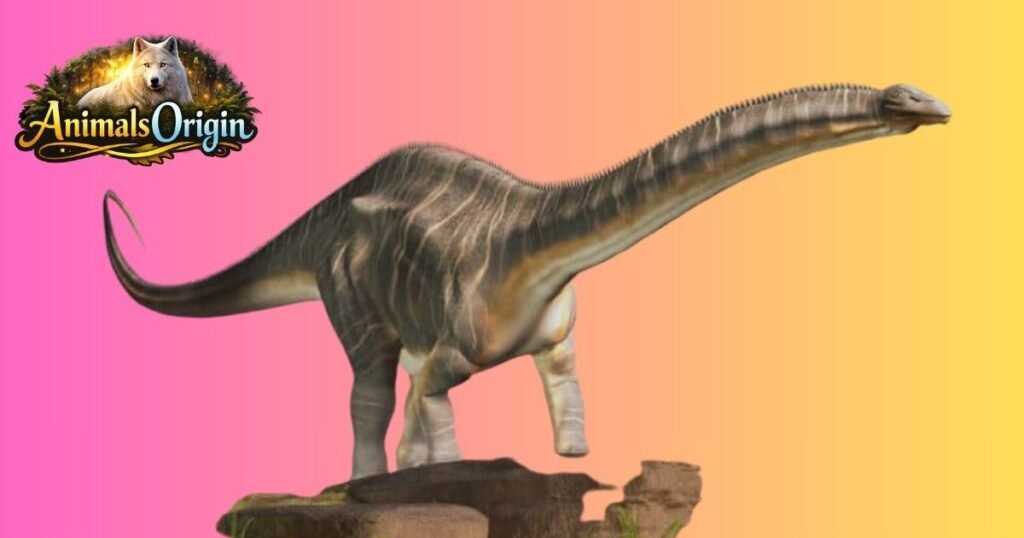
Animals with long necks, such as giraffes and some species of dinosaurs, have evolved their impressive necks for a variety of fascinating reasons that extend beyond mere height. One of the primary functions of these elongated necks is foraging. Giraffes can reach high branches that are inaccessible to shorter herbivores, allowing them to munch on nutrient-rich leaves, especially during dry seasons when food is scarce.
This unique adaptation not only secures their food source but also reduces competition with other animals. Moreover, the necks of these creatures play a crucial role in social interactions. In giraffes, for instance, males often engage in a behavior known as “necking,” where they swing their necks to strike opponents in combat over mating rights.
What Makes These Animals’ Necks So Special
The world of animals with long necks is fascinating, showcasing nature’s remarkable adaptations. Take the giraffe, for instance. Its elongated neck isn’t just for reaching high leaves; it plays a vital role in social dynamics during mating rituals. Male giraffes engage in a behavior known as “necking,” where they swing their necks dramatically to establish dominance.
This highlights how their long necks serve both practical feeding purposes and as a tool for social interaction. Similarly, the okapi, often called the “forest giraffe,” boasts a shorter neck than its taller counterpart but is equally mesmerizing.
Final Words
In final words, the world of Long-Necked Animals: Nature’s 10 Most Remarkable Long-Necked Animals showcases a fascinating array of adaptations that serve various survival needs. From the towering giraffe, which uses its height to reach the juiciest leaves, to the elegant swans that glide gracefully on lakes, these creatures highlight the incredible diversity of nature.
Each long-necked animal shows unique traits that make it remarkable and vital to its ecosystem. By understanding and appreciating these extraordinary beings, we can foster a deeper connection with the natural world around us. So, next time you encounter a long-necked animal, take a moment to marvel at its wonders and consider how we can protect its habitat for future generations.
FAQs
What are Some Animals with Long Necks?
Some well-known animals with long necks include giraffes, which are the tallest land mammals and use their height to reach leaves in trees.
Which Animal has the Longest Neck?
The animal with the longest neck is the giraffe. These fascinating creatures can have necks that reach up to six feet long!
Which Wild Animal has a Long Neck?
The giraffe is the most well-known wild animal with a long neck. Native to Africa, giraffes can reach heights of up to 18 feet, with their necks alone measuring around 6 feet.
What Animal has the Longest Neck to Ever Exist?
The animal with the longest neck ever to exist is likely the *Sauroposeidon*, a giant dinosaur from the Early Cretaceous period. Estimates suggest its neck could have reached lengths of up to 40 feet.