

Animals with Big Ears: Wonders of Wildlife
Did you know that some animals can hear sounds up to four times farther away than humans can? In the world of wildlife, animals with big ears hold a unique advantage, amplifying their ability to detect potential dangers and communicate with one another. From the playful fennec fox to the majestic African elephant, these creatures showcase the wonders of evolution and adaptation.
Join us as we explore the fascinating lives of animals with big ears and uncover how their remarkable hearing aids in survival and socialization.
Why Do Some Animals Have Big Ears?
Animals with big ears often capture our attention, not just for their endearing appearance but for the fascinating reasons behind their unique features. One standout example is the African elephant, whose large ears help regulate body temperature.
As blood circulates through their extensive ear veins, more heat is dissipated, acting as a natural air conditioner in the sweltering climates of their habitat. This ingenious adaptation isn’t just practical; it showcases how animals evolve unique traits to thrive in their environments.
Famous Animals with Big Ears
In the realm of wildlife with big ears, few creatures capture our imagination quite like the African elephant. These gentle giants not only use their large ears to regulate body temperature but also communicate through intricate sounds that travel long distances. It’s fascinating to think about how their ears, which can flap like sails, play a crucial role in their social interactions within the herd.
Below is the list of Animals with big ears.
- Elephant
- Fennec Fox
- Rabbit
- Bat
- Kangaroo
- Aardvark
- Caracal
- Serval
- Bilby
Elephant
Elephants, those gentle giants of the animal kingdom, are known for their impressive size, but their most striking feature has to be their large ears. These remarkable appendages aren’t just for show; they play a crucial role in thermoregulation. Elephants have a complex network of blood vessels in their ears that helps dissipate heat, allowing them to thrive in hot climates. So, when you see an elephant flapping its ears, it’s not just waving hello; it’s cooling down.
Fennec Fox
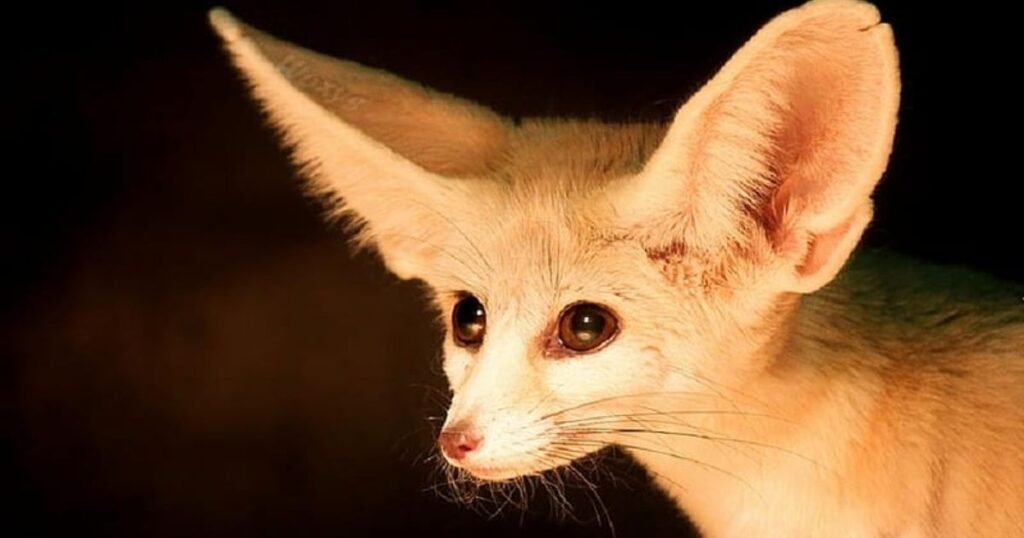
The fennec fox, a remarkable animal often found in the sandy expanses of the Sahara Desert, is a prime example of nature’s ingenuity. With its large ears, which can be up to six inches long, this small desert-dweller has adapted beautifully to its harsh environment. These impressive ears not only serve as a cooling mechanism, helping to dissipate heat, but also enhance its hearing, allowing the fennec to detect the faintest rustle of prey beneath the shifting sands.
Rabbit
Rabbits, often celebrated for their cute appearance and gentle demeanor, are a fascinating species that belongs to a unique group of wildlife with big ears. These large, expressive ears serve multiple purposes: they help regulate their body temperature and enhance their hearing, allowing them to detect potential predators from a distance. Imagine living in a world where every rustle of leaves could signal danger; rabbits rely heavily on their acute sense of sound to stay safe
Bat
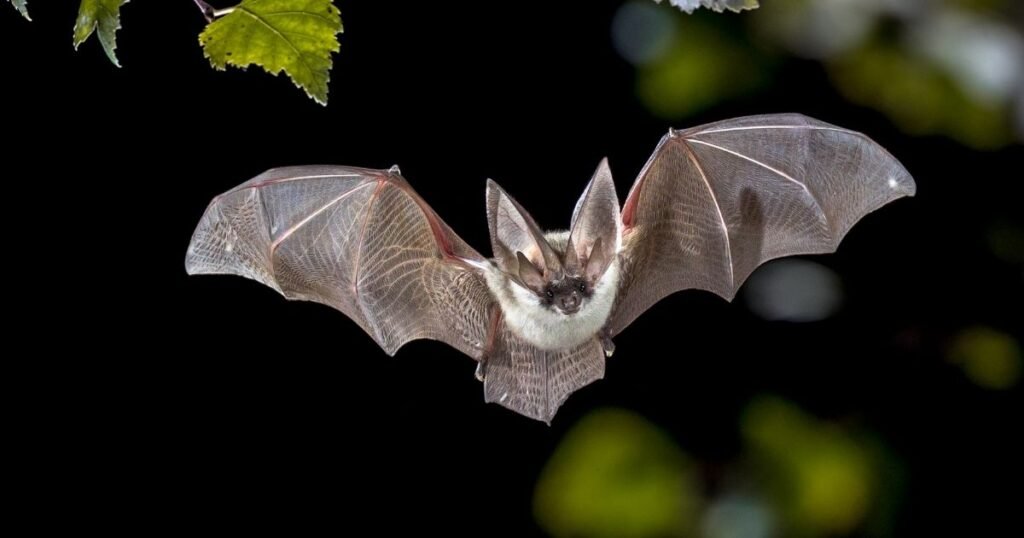
Bats often get a bad rap, but they are among the most amazing animals with big ears. Their large ears, which can be larger than their bodies in some species, are finely tuned for echolocation, allowing them to navigate the dark and hunt for food with incredible precision. Imagine flying through the night, relying not on sight but on the sounds around you; it’s a superpower that makes these creatures extraordinary in the animal kingdom.
Kangaroo
Kangaroos are often associated with their iconic hopping and powerful hind legs, but these interesting animals are more special than they seem. While they boast a Unique way of traveling, it’s their remarkable ears that capture attention. These big-eared animals use their sensitive hearing to detect sounds from miles away, an essential skill for survival in the Australian outback, where predators lurk. Their keen sense of hearing is a trait shared with other wildlife with large ears, such as fennec foxes and desert hares, showcasing nature’s clever adaptations.
Aardvark
The aardvark, a unique animal found in Africa, is often overlooked in discussions about wildlife with big ears. Unlike the more famous elephants or rabbits, this nocturnal mammal showcases its oversized ears primarily as a survival adaptation. These big-eared animals have a remarkable ability to detect sounds in their environment, whether it’s the rustle of a predator approaching or the faint noises of their favorite meal, ants and termites.
Caracal
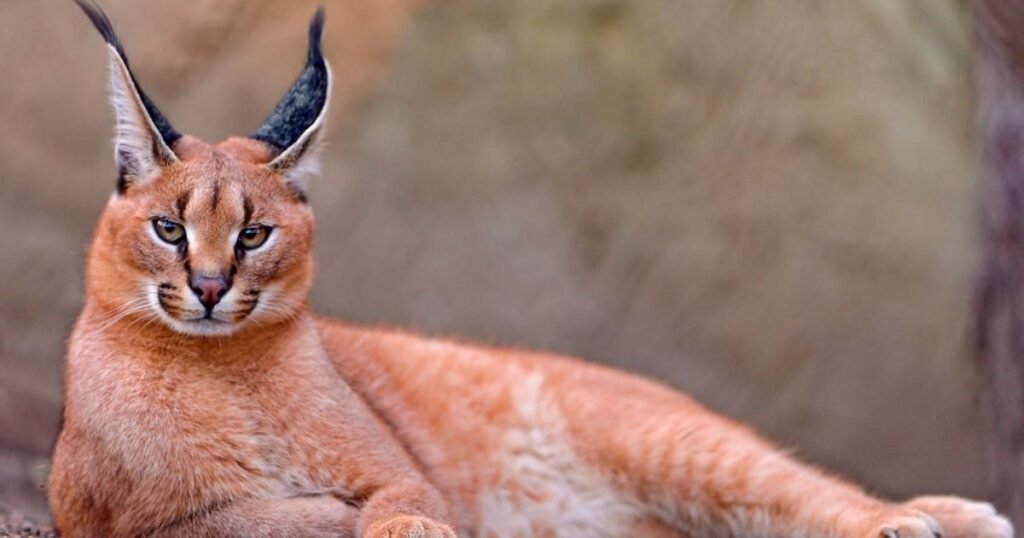
The Caracal may not be very well known, but it is an amazing big-eared animal that looks elegant and a bit mysterious. Characterized by its distinctive tufted ears, this agile feline is a master of stealth and agility in the wild. What’s particularly intriguing is how these large ears aren’t just for show; they amplify sounds, allowing the caracal to detect even the faintest rustles in the grass. This adaptation is essential for locating prey, as the caracal is known for its incredible ability to leap high into the air to catch birds mid-flight.
Serval
The serval, a fascinating wild cat native to Africa, showcases an extraordinary combination of elegance and practicality, particularly through its impressive ears. These unique features enhance the serval’s hearing ability, allowing it to detect even the slightest rustle of prey in high grasses. Unlike many animals with large ears, the serval’s ears aren’t just oversized; they are proportionally large compared to its body, giving it a distinct silhouette that stands out in the savanna.
Bilby
The bilby, a charming nocturnal marsupial native to Australia, is a true marvel of wildlife with big ears. These big-eared animals have evolved. This allows them to listen for predators while foraging. the cool, serene night. Their large ears not only enhance their hearing but also help them regulate body temperature, a clever adaptation to the arid landscapes of their habitat.
Read more:Animals Without Tails: Fascinating Creatures That Thrive Without a Tail
Big Ears Help Animals Survive
Animals with big ears have a clear advantage in the wild, and their oversized appendages serve multiple purposes that enhance survival. For starters, larger ears mean better hearing, allowing these creatures to detect high-frequency sounds or subtle movements from predators and prey alike.
Imagine being a bunny, ears perked up, listening for the faint rustle of tall grass that signals a lurking fox. This acute sense of hearing not only protects them but also aids in hunting and foraging for food, making every moment in their habitat a strategic advantage.
Interesting Facts
Did you know that an elephant’s ears can measure up to 6 feet in length? These impressive appendages aren’t just for show; they help elephants regulate their body temperature by flapping them like fans.
In the animal kingdom, ear size often correlates with function, and that’s where the fennec fox comes in. With the largest ears relative to body size, these little desert dwellers not only keep cool but also excel at locating prey buried beneath the sand.
Final Words
Animals with big ears are truly fascinating members of the wildlife kingdom. Their unique adaptations not only help them hear sounds from afar but also play a vital role in regulating their body temperature. From the majestic elephants roaming the African savannah to the agile fennec fox in the deserts, these creatures remind us of the incredible diversity of nature.
The next time you come across an animal with oversized ears, take a moment to appreciate the wonders they bring to our ecosystems. Let’s continue to explore and protect these remarkable beings for future generations.
FAQs
Which Animals have Large Ears?
African Elephant, Fennec Fox, Bats, Hares, Jerboas.
What Little Animal has Big Ears?
Fennec Fox: This small desert-dweller has the largest ears relative to its body size, which help dissipate heat and enhance hearing.