Fat Animals: Nature’s Biggest and Most Adorable Creatures
Have you ever stopped to think about why we can’t help but smile when we see Fat Animals wobble across the grass? Animals that are a little on the side have a way of capturing our hearts and reminding us of the simple joys of nature.
This article is going to take you on a journey to learn about these animals and the important roles they play in keeping our world healthy. Get ready for a fun ride filled with facts and insights about the world of big animals.
What Makes Some Animals So Fat?
The thing about fat animals is really interesting, and people often think they are great. Take manatees, for instance. Manatees are really big. Can weigh over 1,000 pounds because they eat a lot of seagrass that is high in fat. The fat on manatees helps keep them warm in water and gives them energy when they need it.

Manatees have a lot of fat. That is a good thing. Polar bears also have a lot of fat, which helps them when they do not have a lot of food to eat during times of the year. Polar bears and manatees both have fat that’s important for them.
List of Fat Animals Found in the Wild
Below is a short list of fat animals.
- Wombats
- Manatees
- Hippopotamuses
- Pygmy Pikas
- Elephant Seal
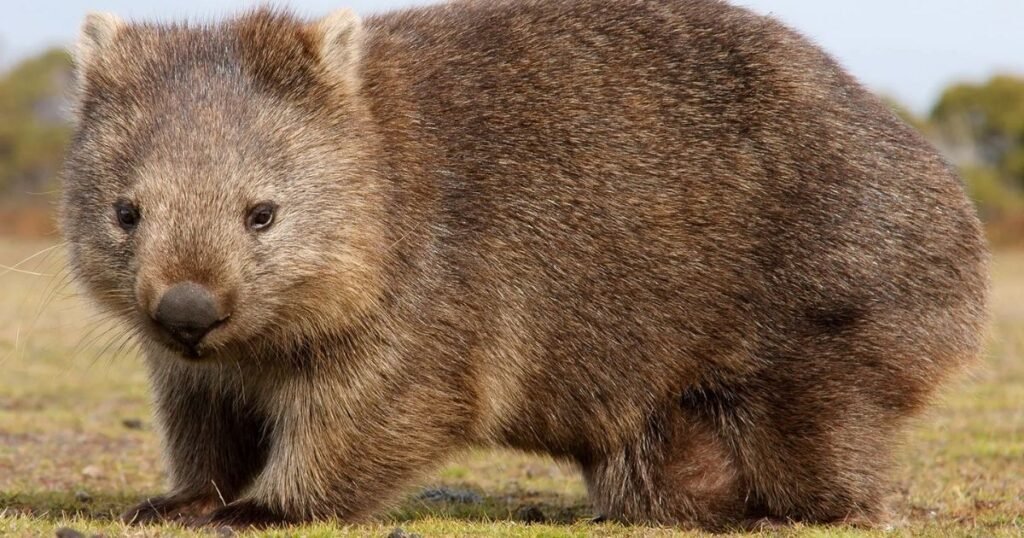
Wombats
These cute animals from Australia are known for their strong bodies and fun personalities. They eat grass and roots, and they store extra fat for energy, which makes them look a little chubby. A lot of people think this is very cute.
Manatees
People often call these animals “sea cows” because they can weigh over 1,000 pounds. They are slow-moving. Have round bodies, which makes them one of the biggest animals in the world. They love to live in water and eat seagrass to stay big.
Hippopotamuses
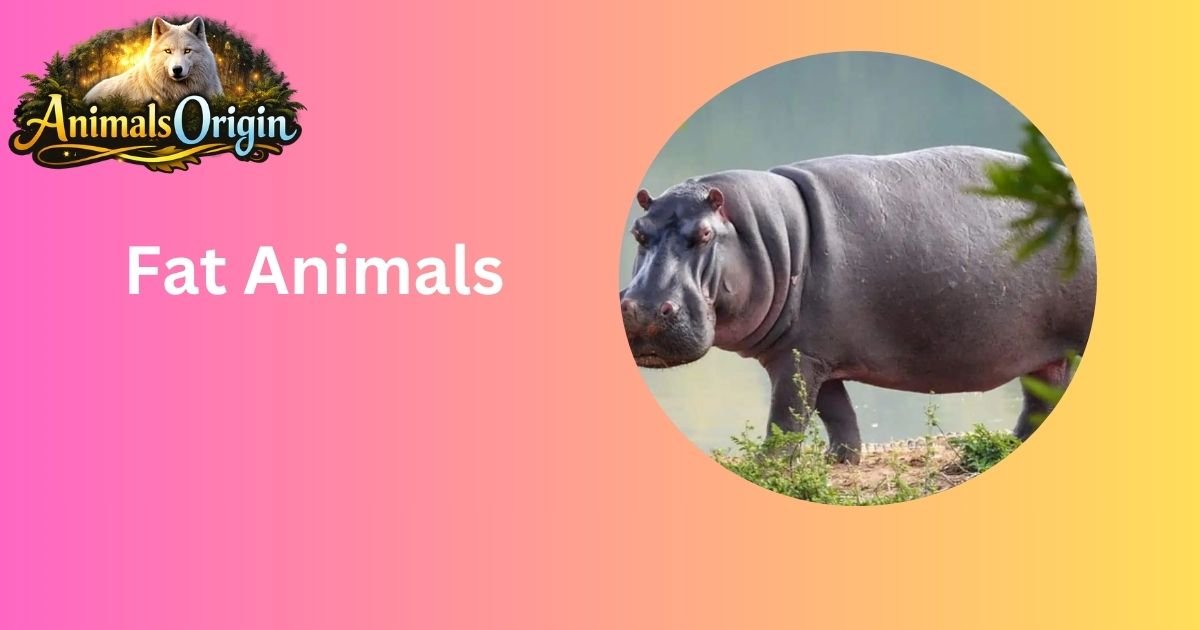
Hippopotamuses are one of the animals on land and can weigh between 3,000 and 4,000 pounds. Even though they are big, they can move quickly on land and in water. Their big bodies are made to store fat, which helps them stay warm and float in the water.
Pygmy Pikas
These big animals are often mistaken for rodents, but they are actually small cousins of rabbits. They live in the mountains. Store extra food for the winter, which makes them look a little plump during the cold months. Their chubby bodies and fuzzy fur make them a favorite among people who love animals.
Elephant Seal
Elephant seals are really animals, and they seem to like being that way. These big creatures are amazing to see because they are so big and can still move around with ease. Elephant seals are truly amazing because of their size. Elephant seals can weigh up to 4,500 pounds.
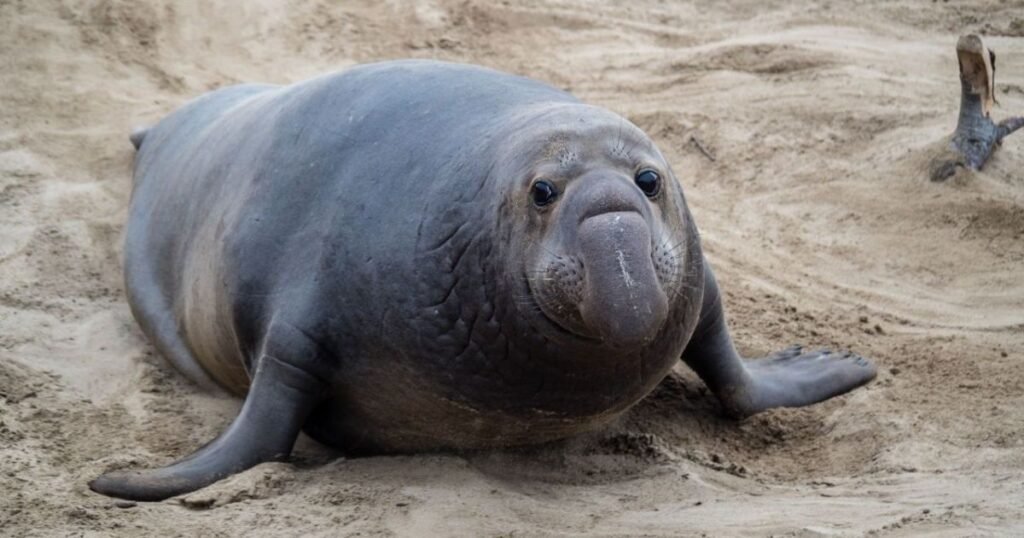
When elephant seals swim in the ocean, it is really something to see. The fat on elephant seals is not just for looking big; it actually helps elephant seals stay warm in the water. The fat, on elephant seals, also gives them energy when they do not eat for a time, like when elephant seals are mating.
How Fat Helps Big Animals Survive
Fat is very important for animals because it gives them energy and keeps them warm. For example, big animals like walruses and seals have a layer of fat that keeps them warm in cold water, and animals with extra fat.
This special feature helps them survive in environments and also gives them energy when food is hard to find. When they cannot find food, these big animals can use the fat they have stored to stay alive, which shows how nature helps animals survive.
Read more: Hybrid Animals: Fascinating Creatures Born from Two Species
The Cutest Fat Animals Around the World
In the world of nature, cute animals often get a lot of attention because of their round bodies. From the walrus with its thick fat, which helps it survive in cold Arctic water, to the fun manatee, which is called the “sea cow,” these big animals show us different ways they store fat, which is also important for their homes.
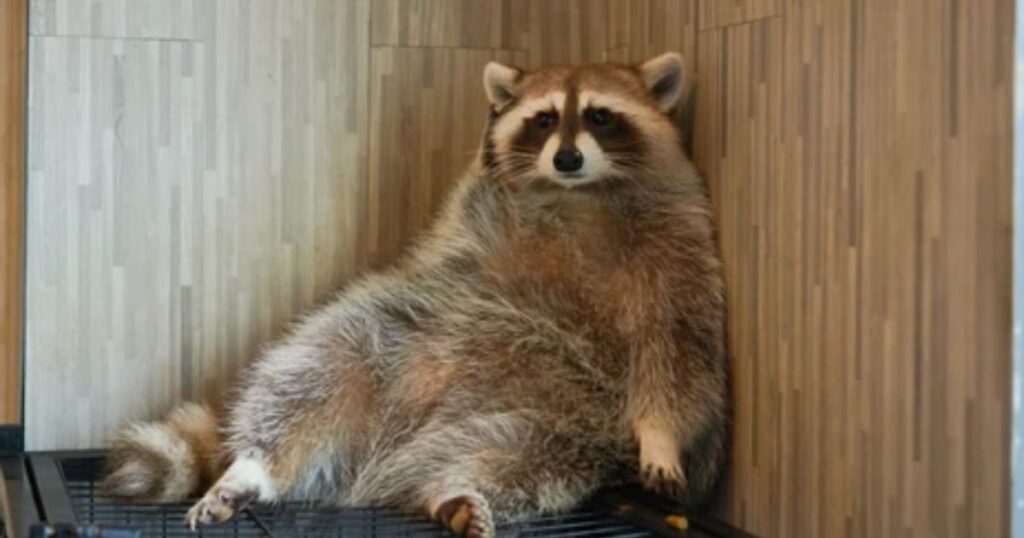
The way animals store fat is an interesting feature; it not only keeps them warm but also gives them energy during tough times when food is hard to find.
Why We Should Protect These Amazing Animals
We need to protect these big animals not just for their survival but also for the balance of the world they live in. These cute animals, like the manatee or the sea otter, play roles in their homes. Manatees help keep the seagrass beds healthy, and sea otters control the sea urchin population. Their special features, like the fat on marine mammals, help them survive in tough environments, which makes them very interesting to learn about and appreciate.
Final Words
In the end, fat animals make us smile. They also play important roles in their worlds. From the round body of a panda to the fun waddle of a penguin, these animals remind us of the joy of nature’s diversity.
We need to appreciate and protect their homes so that future generations can also love their cuteness. By caring about these animals, we can inspire others to care about the natural world. So let’s celebrate the beauty of nature and take steps to preserve their homes.
FAQs
What to Name a Fat Pet?
Naming a pet can be a fun and creative thing to do. You might want to think of names that’re funny and reflect their personality or size. Names like “Chubbs,” “Tubbs,” or “Meatball” can capture their roundness. Names that are inspired by food, like “Biscuit” or “Muffin,” are also very cute.
What is a Name for a Fat Cat?
A funny name for a cat could be “Sir Chubbs-a-Lot”. It’s a name that makes them sound like royalty. Another great name is “Purrlock Holmes,” which is perfect for a cat that loves to investigate every corner of the house, especially if it involves food.