Largest Bird in the World: Top Large Birds Ranked by Size
You might be surprised to learn that the largest bird in the world is as heavy as a car. The biggest bird is really something to see. We will look at these birds and list them from smallest to biggest.
We will also talk about what makes them special. Learning about these birds is interesting. It also shows us why we need to protect all the different kinds of birds. The biggest bird is a thing to learn about. By the time we are done, you will know which birds are the biggest. So let us start looking at the bird. In the world, the biggest bird is really big.
What Makes a Bird One of the Largest in the World?
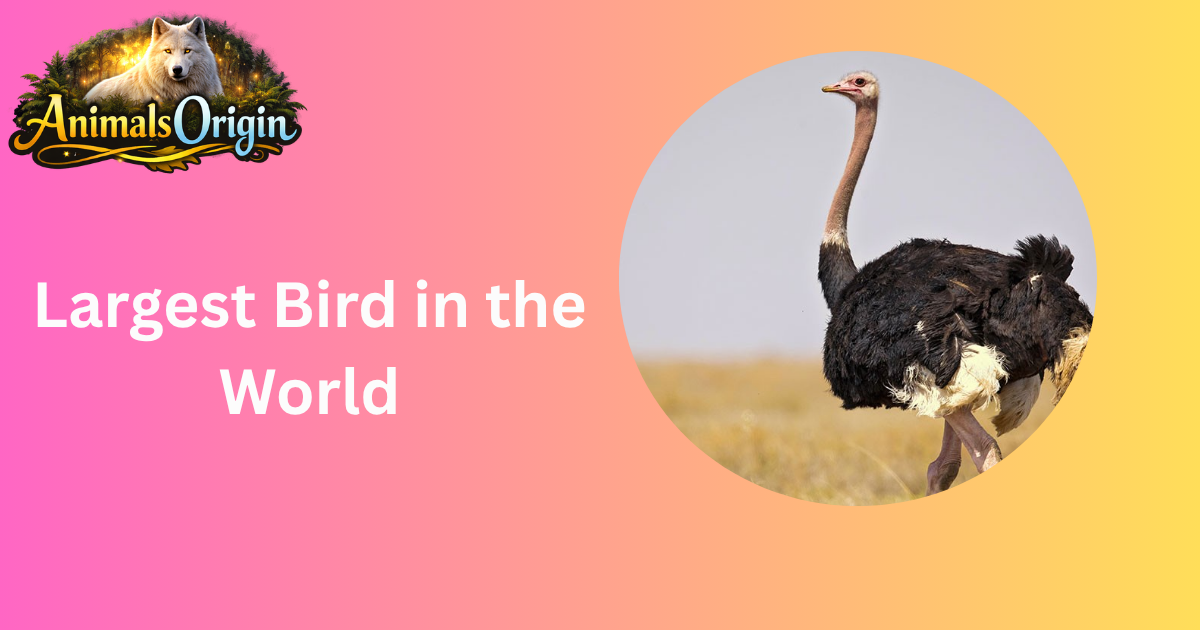
The ostrich, the largest bird in the world, is really amazing. It weighs up to 350 pounds. Stands almost nine feet tall. Its strong legs are not just for looking good; they help it run fast. Up to 45 miles per hour. That makes ostriches the fastest birds on land. They use this speed to escape from predators and to show off during mating displays.
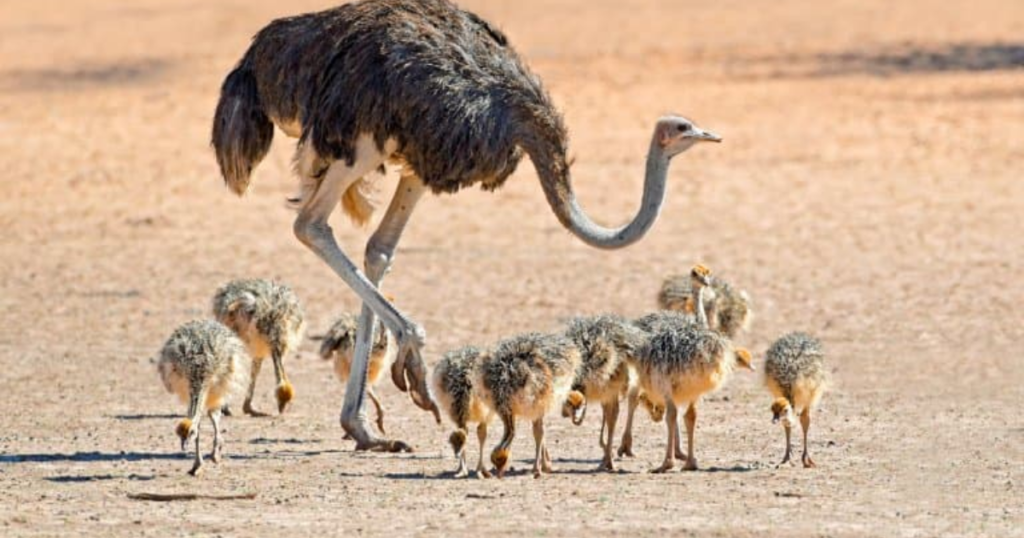
Ostriches have unique eyes that help them see really well. They can spot threats from far away. Even though they cannot fly, ostriches are good at surviving. They do this by being social and living in groups. When we look at their size, speed, and social behavior, we can appreciate ostriches more. They are not the largest birds in the world; they are also a wonder of nature.
Top 5 Largest Birds in the World by Height and Weight
Below is the list of the top five largest birds
- Common Ostrich
- Somali Ostrich
- Southern Cassowary
- Northern Cassowary
- Emu
Common Ostrich (Struthio camelus)
Reigning as the largest bird on the planet, the Common Ostrich can tip the scales at an astonishing 344 pounds (157 kilograms). Aside from its impressive weight, this bird can soar up to 9 feet in height, making it a marvel of nature. Its long legs and strong running capabilities have earned it a place in many documentaries, showcasing its ability to sprint at speeds up to 45 miles per hour.
Somali Ostrich (Struthio molybdophanes)
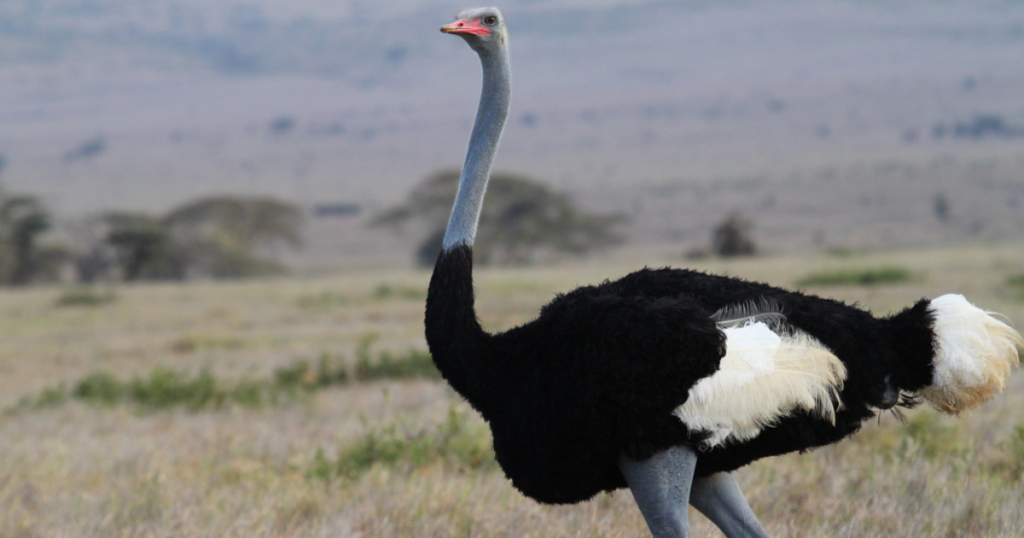
Slightly smaller yet still formidable, the Somali Ostrich can weigh in at around 287 pounds (130 kilograms). Found primarily in the Horn of Africa, it boasts a unique blue neck distinct to its species. This adaptation assists in temperature regulation, highlighting how even size has its intricacies in the animal kingdom.
Southern Cassowary (Casuarius casuarius)
Weighing about 187 pounds (85 kilograms), the Southern Cassowary is not only one of the heaviest birds but also possesses strikingly vibrant colors. This flightless bird, often termed “the world’s most dangerous bird” due to its sharp claws, can be a formidable presence in the tropical rainforests of New Guinea and its surroundings.
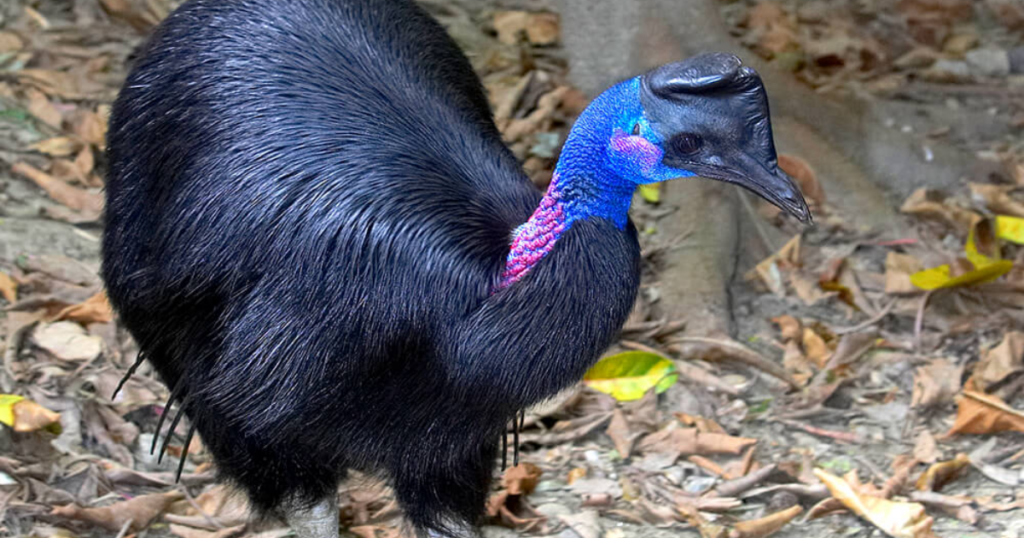
Northern Cassowary (Casuarius unappendiculatus)
Weighing in at around 165 pounds (75 kilograms), the Northern Cassowary is often overshadowed by its southern counterpart but is equally fascinating. With its distinctive casque and vibrant blue skin, this bird has adapted to its rainforest environment remarkably well, showcasing the diversity within the cassowary species.
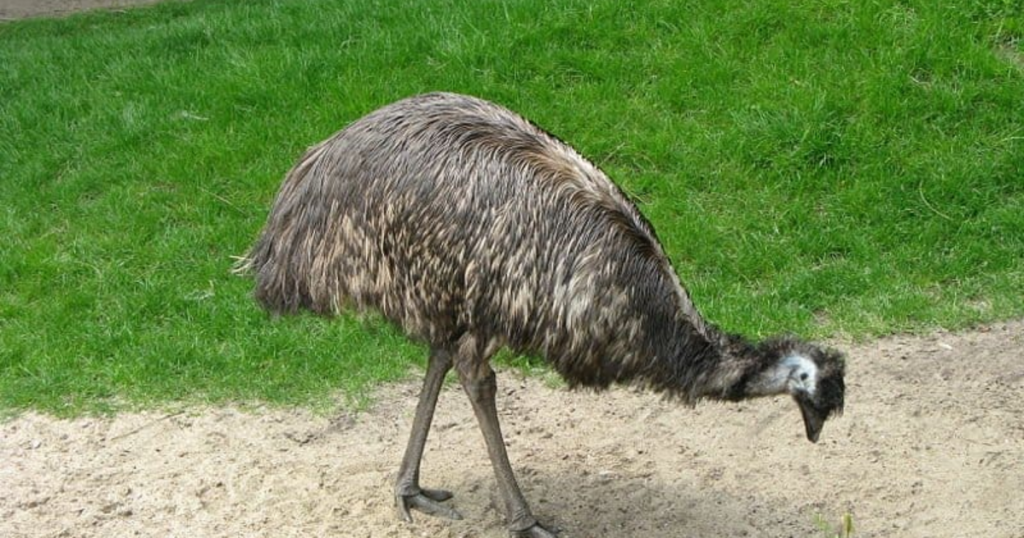
Emu (Dromaius novaehollandiae)
Rounding out the list, the Emu weighs in at 154 pounds (70 kilograms). As Australia’s largest native bird, this flightless giant has an impressive stride, covering vast distances in search of food. Interestingly, emus play a crucial role in their ecosystem by helping to disperse seeds, making them vital for the health of their habitats.
How Large Birds Survive in the Wild
Survival strategies for birds in the wild are really interesting and a different type. Let’s take the ostrich, which is the largest bird in the world. These big birds that can’t fly have adjusted to living in dry areas by growing strong legs. These legs help them run fast at over 45 miles per hour. This speed helps them get away from animals that might hurt them and also helps them travel distances to find food and water.
So being able to move around is really important for survival. On the other hand, birds like the albatross are experts at gliding over the ocean waves. They use the wind to fly distances without getting too tired. Their wings can be as wide as 12 feet, which makes them look really cool and also helps them live in the ocean. Even though they are really big, they have found a way to use their size to their advantage. Large birds often use their bodies to save energy and find food easily. This way, being big is not a problem. A benefit for them. They turn their size into a thing instead of a problem.
Read more: Smallest Animal in the World: Discover Nature’s Tiniest Creatures
Flightless Large Birds vs Flying Large Birds: Key Differences
When you look at birds, it is really interesting to see the difference between big birds that cannot fly and the ones that can. Take the ostrich, for example. The ostrich is the bird that cannot fly. It has legs that can run very fast up to 45 miles per hour. The ostrich is not the tallest bird, but it also helps the environment in many ways. It helps to keep the plants from growing much, and it is a food source for other animals.
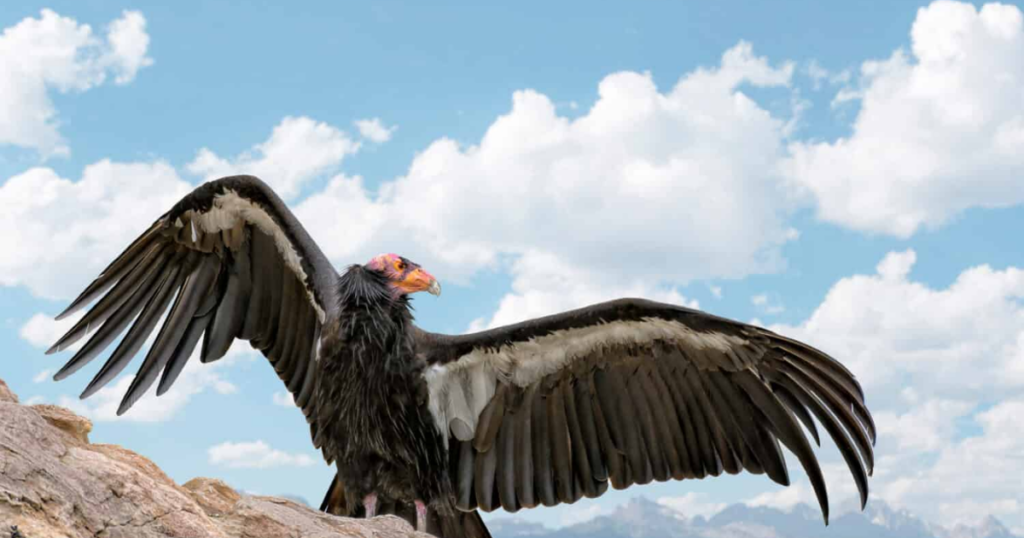
The wandering albatross is a different bird. The wandering albatross is the biggest flying bird in the world. Its wings are very wide, over 12 feet from one end to the other. The wandering albatross is great at flying over the ocean without getting tired. It uses the wind to help it travel distances, sometimes thousands of miles, without even flapping its wings. The large birds, like the ostrich and the wandering albatross, are very interesting to learn about.
Interesting Facts About the World’s Largest Birds
The ostrich is an amazing bird that walks around the African savannah with its huge size and speed. It weighs up to 350 pounds. Stands up to 9 feet tall. The ostrich is a bird not just because of its size, but also because it can adapt well. Ostriches cannot fly like birds, but they have strong legs that help them run up to 40 miles per hour. This speed helps them stay safe from predators in their home.
Ostriches have a way of living with each other that might surprise you. They often form groups with one male and several females. This group has a way of organizing itself. You can also be amazed by their eggs, which are the biggest of any land animal. These eggs are 6 inches wide and weigh up to 3 pounds. One ostrich egg is like two dozen chicken eggs. In some places, people think ostrich eggs are a treat. The ostrich is a bird that will keep surprising you, whether you like its feathers or are curious about its place in the animal kingdom. Its size and abilities make it a remarkable creature.
Final Words
The world of birds is really cool. The largest bird in the world shows us how many different kinds of animals live on our planet. We have the ostrich and the emu, and each large bird is special in its way. It is like nature is showing off its creativity. These impressive creatures not only captivate us with their size but also play essential roles in their ecosystems.
The large birds are very good at what they do. When we see a bird, we should remember that it is not just big, it is also beautiful and interesting to watch. The large birds are really beautiful. They do things that are unique to each one. Next time you see a large bird, take a moment to appreciate it and think about how amazing nature is. The large birds are a wonder to see. We should cherish the large birds when we see them.
FAQs
Which is the World’s Largest Bird?
The world’s largest bird is the ostrich. Native to Africa, these flightless birds can reach heights of up to 9 feet and weigh as much as 350 pounds. Their long legs and powerful build allow them to run at impressive speeds, making them the fastest-running birds on land.
What is the Largest Flying Bird in the World Ever Recorded?
The largest flying bird ever recorded is the Argentavis magnificens. This prehistoric bird lived around six million years ago in what is now Argentina. Its wingspan was an astounding 23 feet (7 meters), making it the largest known flying bird in terms of wingspan.