Animals With Horns: Types, Characteristics, Habitats, and Their Importance in Nature
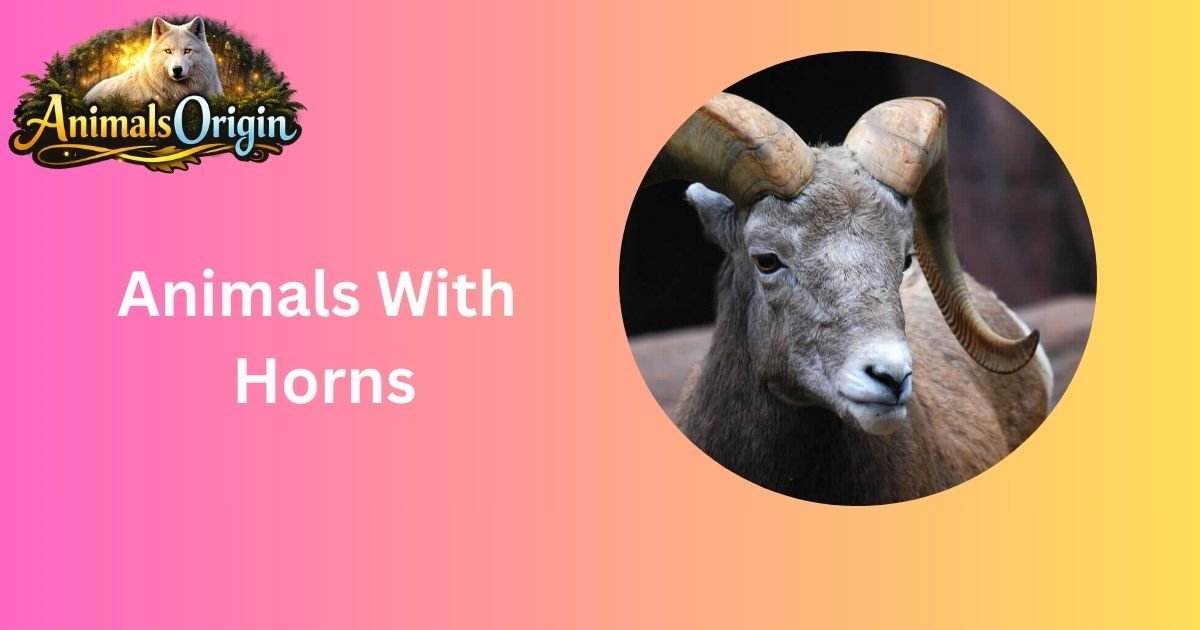
Animals with horns are some of the most fascinating creatures in the natural world. Horns are hard, permanent structures that grow from the heads of certain animals and are made of bone covered by a layer of keratin. Unlike antlers, horns do not shed and regrow every year. These structures serve many purposes, such as defense, fighting for dominance, attracting mates, and protection from predators.
Animals with horns can be found in different parts of the world, including grasslands, forests, mountains, and deserts. In this article, we will explore various horned animals, their features, behaviors, and their importance in maintaining ecological balance.
What Are Horns and Why Do Animals Have Them?
Horns are permanent bony structures found on the heads of many mammals. They are mainly made of a strong core of bone surrounded by keratin, the same material found in human nails and hair. Animals use horns for survival purposes.
One of the most important uses is defense against predators. Horns also help animals fight each other for territory or mating rights. In some species, larger horns indicate strength and dominance, making them more attractive to mates. Animals like cattle, goats, and antelopes commonly have horns that play a major role in their daily survival and social interactions.
List Of Animals With Horns
- Rhinoceros: The Giant Horned Herbivore
- Goats: Common but Remarkable Horned Animals
- Buffalo: Strong and Powerful Horned Grazers
- Antelopes: Fast and Graceful Horned Animals
- Sheep: Domesticated Horned Livestock
- Ibex and Mountain Goats: Masters of High Altitudes
Rhinoceros: The Giant Horned Herbivore
The rhinoceros is one of the most powerful horned animals in the world. It is known for its thick skin and one or two large horns on its snout. These horns are made entirely of keratin and are used mainly for defense and fighting. Rhinos are large herbivores that live in Africa and parts of Asia.
Despite their size, they are often calm animals, but they can become aggressive when threatened. Sadly, rhinoceroses are endangered due to illegal hunting for their horns. Conservation efforts are ongoing to protect these magnificent creatures and preserve their natural habitats.
Goats: Common but Remarkable Horned Animals
Goats are among the most widely domesticated horned animals in the world. Both male and female goats often have horns, although their size and shape vary depending on the breed. Goats use their horns for protection and social dominance within herds.
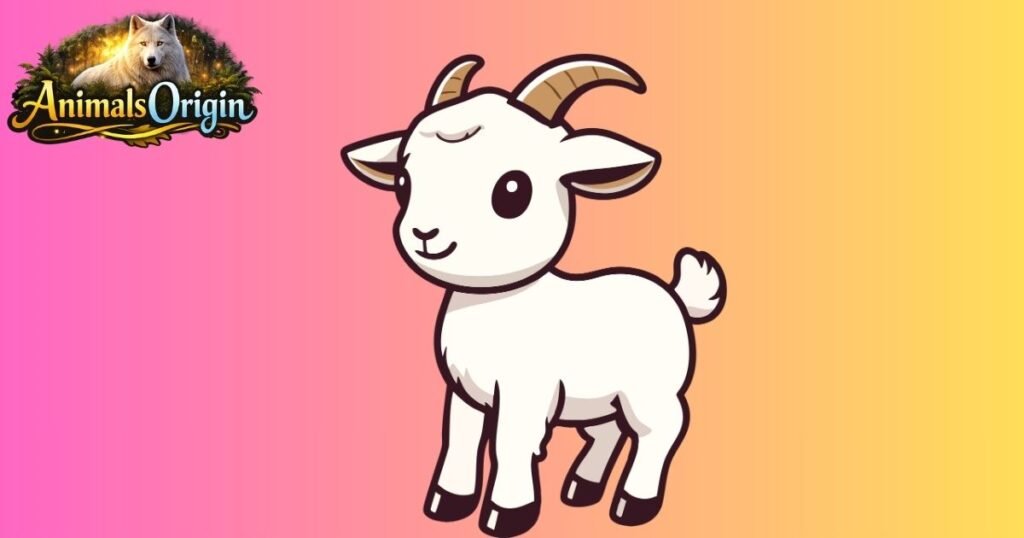
These animals are highly adaptable and can survive in mountains, deserts, and farms. Goats are also important for humans as they provide milk, meat, and leather. Their horns are usually curved and help them defend themselves against predators like wolves and large birds of prey in rural and wild environments.
Read More: Alpine Animals: Unique Species of High-Altitude Habitats
Buffalo: Strong and Powerful Horned Grazers
Buffaloes are large, strong animals known for their thick bodies and wide, curved horns. The African buffalo and the water buffalo are two well-known types. Their horns are used mainly for defense against predators such as lions. Buffaloes are social animals and live in herds, where their horns help maintain hierarchy and protect the group.
They are also very important for agriculture in many countries, especially in Asia, where water buffaloes are used for plowing fields and transportation. Their strength and endurance make them one of the most valuable horned animals for humans.
Antelopes: Fast and Graceful Horned Animals
Antelopes are elegant, fast-running animals found mostly in Africa and parts of Asia. Many species of antelopes have horns, which are usually thin, straight, or spiral-shaped. These horns are used for defense and fighting rivals during mating season. Unlike antlers, antelope horns are permanent and not shed annually.
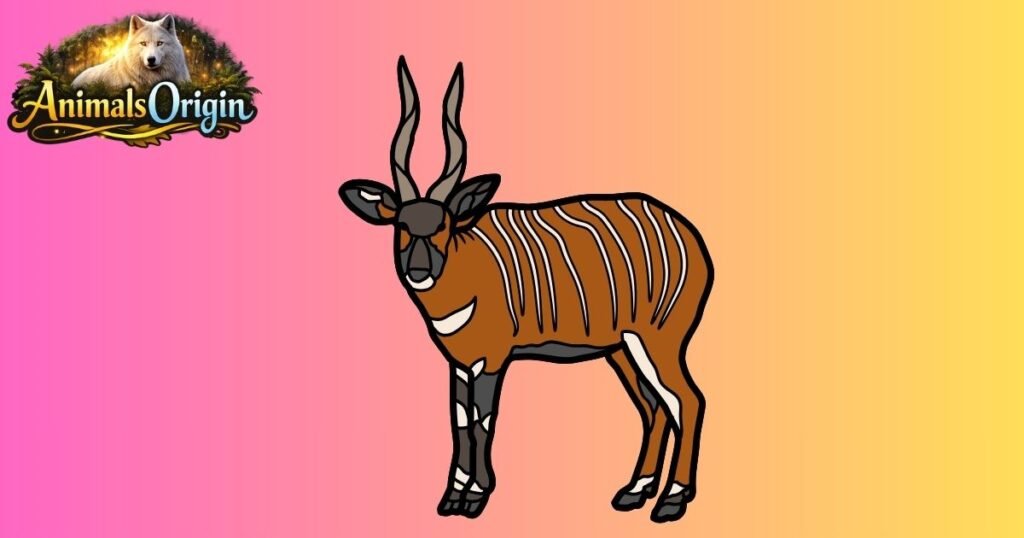
Antelopes rely more on speed than strength to escape predators, but their horns provide an extra layer of protection. Species like gazelles and impalas are well-known examples. Their beauty and agility make them one of the most admired horned animals in the wild.
Sheep: Domesticated Horned Livestock
Sheep are another common domesticated animal that can have horns, especially males called rams. Ram horns are often large, curled, and spiral-shaped. These horns are used in fights between males to establish dominance and gain mating rights.
Sheep are raised by humans for wool, meat, and milk. They are gentle animals and usually live in flocks. Horned sheep are especially strong and resilient in cold mountainous regions. Their horns not only help in survival but also play a key role in their social behavior within herds.
Ibex and Mountain Goats: Masters of High Altitudes
Ibex and mountain goats are wild, horned animals known for living in extremely high and rocky mountain regions. Their horns are long, curved, and ridged, which help in balance and defense. These animals are excellent climbers and can easily move on cliffs where predators cannot follow.
The horns of male ibexes are often larger and used during fights for dominance. Their strong legs and sharp hooves, combined with their horns, make them perfectly adapted to harsh environments. They are a great example of how animals evolve features for survival in extreme conditions.
Importance of Horned Animals in Ecosystems
Horned animals play a very important role in maintaining ecological balance. Herbivores like buffalo, goats, and antelopes help control vegetation growth by grazing. Predators are kept in balance because horned animals have strong defense mechanisms. This helps maintain a healthy food chain in nature.
Many-horned animals are prey for large carnivores, supporting biodiversity. Domesticated horned animals also contribute to human agriculture and economy. Protecting these animals is essential for environmental stability, as their loss can disturb entire ecosystems and reduce biodiversity in natural habitats.
Final Words
Animals with horns are diverse, powerful, and highly important for both nature and humans. From the massive rhinoceros to the agile antelope, each species uses its horns in unique ways for survival, defense, and social interaction. These animals contribute greatly to ecological balance and human livelihood.
Many-horned species are under threat due to habitat loss and illegal hunting. Protecting them is essential to preserving biodiversity and ensuring healthy ecosystems. Understanding these remarkable animals helps us appreciate the complexity and beauty of the natural world.
FAQs
What is the Difference Between Horns and Antlers?
Horns are permanent structures made of keratin and found in animals like cows and goats, while antlers are made of bone, typically shed and regrown annually, and are found in species like deer.
Why Do Animals Have Horns?
Animals use horns for defense, fighting for dominance, attracting mates, and protecting their territory from predators or rivals.