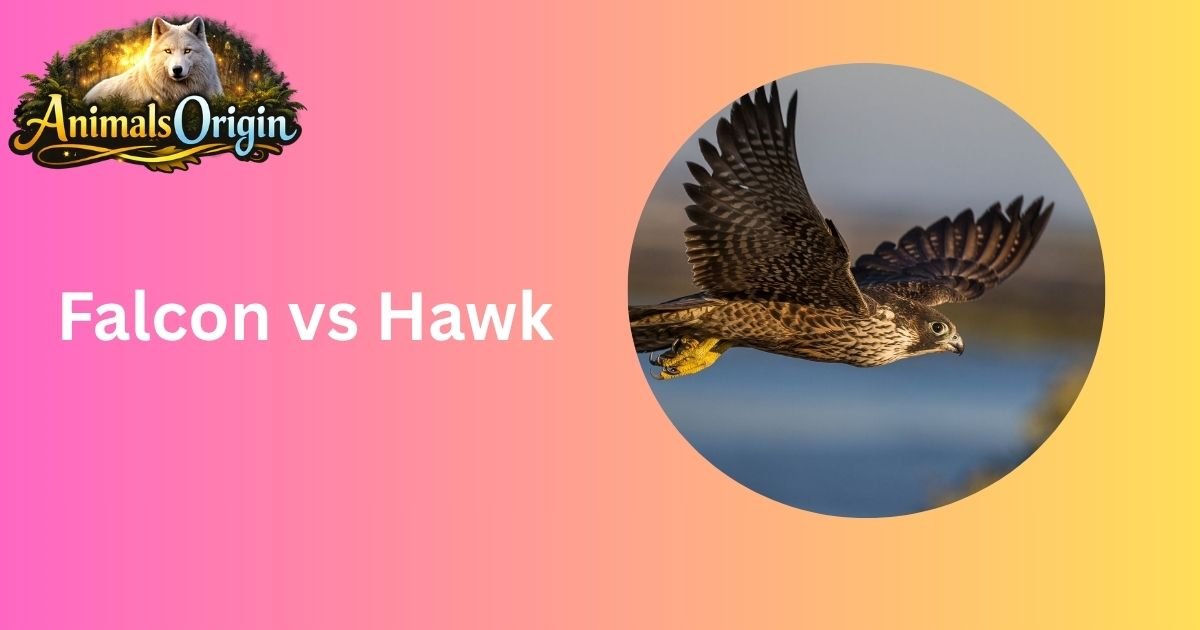
Falcon vs Hawk: Key Differences Between These Powerful Birds of Prey
Falcons and hawks are often mistaken for each other, but these powerful birds of prey exhibit distinct differences that make each unique. Understanding the nuances between falcon vs hawk is not only fascinating, but it also enriches our appreciation for the avian world. In this article, we’ll explore their physical characteristics, hunting skills, and behaviors, providing insights that will help you identify and appreciate these majestic birds wherever you encounter them.
While both are skilled hunters with remarkable adaptations, the differences between falcon vs hawk run deep. This article dives into their distinctive features and hunting techniques, empowering you to recognize these raptors in the wild and understand their vital roles in the ecosystem.
What Is the Difference Between a Falcon and a Hawk?
When exploring the fascinating world of birds of prey, the falcon vs hawk debate often sparks curiosity. While both belong to the raptor family, their differences in hunting style and physical characteristics are striking. Falcons are renowned for their incredible speed, often diving at speeds exceeding 200 miles per hour, thanks to their streamlined bodies and long wings. This makes them formidable aerial hunters, primarily targeting smaller birds during their swift pursuits.
In contrast to Falcon vs Hawk, hawks are generally more robust and versatile in their hunting habits. With broader wings and sturdy builds, they thrive on a varied diet ranging from small mammals to reptiles. Their hunting technique often involves soaring high in the sky, allowing them to spot prey from great distances before swooping down for the kill. Additionally, the distinct sound of a hawk’s cry adds to its majestic presence, unlike the high-pitched calls of falcons. These unique traits not only highlight the differences between falcon vs hawk, but also underscore the diverse adaptations that make each species so captivating in its own right.
Physical Features: Falcon vs Hawk
When comparing falcons and hawks, one of the most striking differences lies in their physical features. When Falcon vs Hawk, Falcons typically have long, pointed wings that contribute to their unparalleled speed and agility in the sky. Their sleek bodies are designed for swift dives, allowing them to snatch prey mid-air with remarkable precision.
Read more: Four-Letter Birds: Small Bird Names With Big Charm
Hawks, on the other hand, boast broader wings and heavier bodies, which lend themselves to soaring gracefully on thermals for long distances. This difference highlights their hunting strategies. Falcons are the speedy hunters, while hawks often engage in a more patient, tactical approach.
Hunting Style and Speed Comparison
When comparing the hunting styles of falcons vs hawks, the distinction is as striking as it is fascinating. Falcons are renowned for their incredible speed, often reaching velocities over 200 miles per hour during their stoops. This breathtaking dive is a hallmark of their hunting technique, where they’ll swoop down on unsuspecting prey with a precision that leaves onlookers in awe.
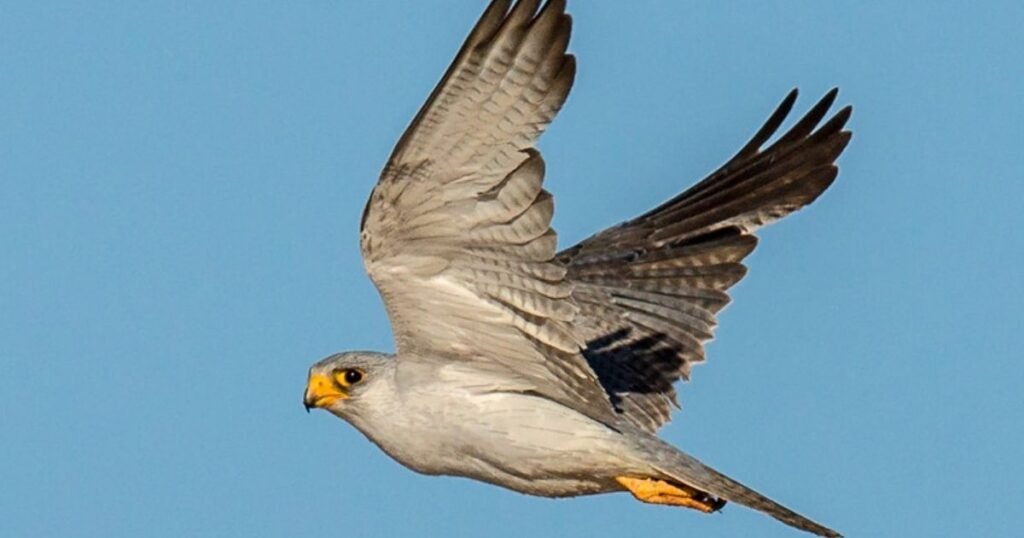
Hawks, on the other hand, lean towards a more calculated approach. Their hunting style is characterized by patience and strategy, often soaring to lofty heights before circling their prey, then gliding gracefully down to catch their meal.
Top 5 Common Falcon Species
Below is the list of 5 common falcon species:
- Peregrine Falcon
- American Kestrel
- Saker Falcon
- Merlin
- Gyrfalcon
Peregrine Falcon
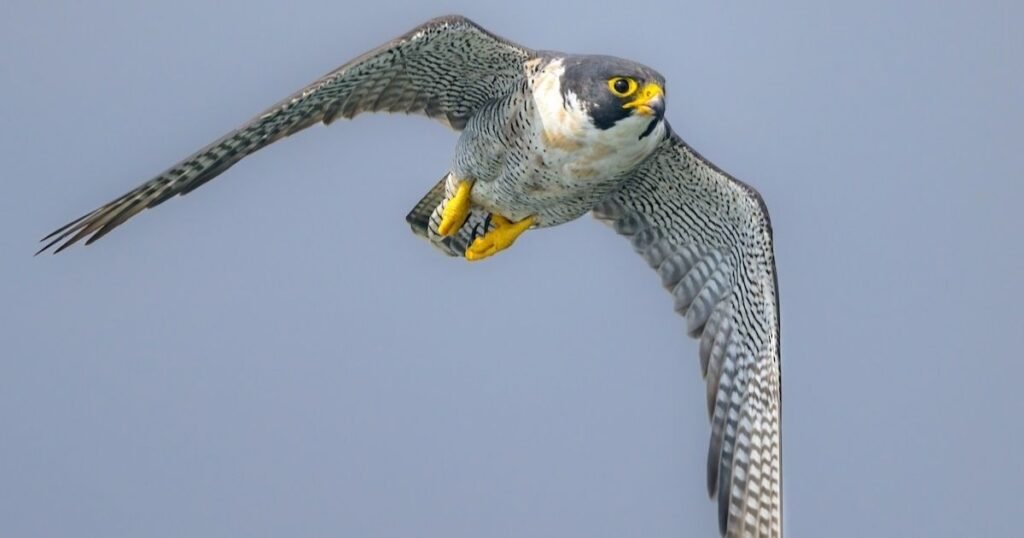
Known as the fastest bird on the planet, the Peregrine Falcon can reach speeds over 240 mph during its hunting stoop, or dive. This remarkable speed isn’t just for show; it’s a hunting strategy that allows them to swoop down on unsuspecting prey with incredible precision. Their striking blue-gray plumage and distinctive facial markings make them a symbol of grace and power in the avian world.
American Kestrel
The smallest falcon in North America, the American Kestrel packs a punch with its vibrant plumage and bold personality. Often seen perched on roadside wires, these little dynamos are expert hunters, targeting insects, small mammals, and even other birds. Their unique “flicking” flight pattern makes them a joyful sight, showcasing their energetic nature.
Saker Falcon
Primarily found in the steppes of Central Asia, the Saker Falcon is revered for its hunting prowess and adaptability. These robust birds are often employed in falconry, valued for their ability to take down larger prey. With a wingspan that can exceed 4 feet, their impressive size paired with their striking chestnut and cream plumage, makes them a formidable and awe-inspiring sight.
Merlin
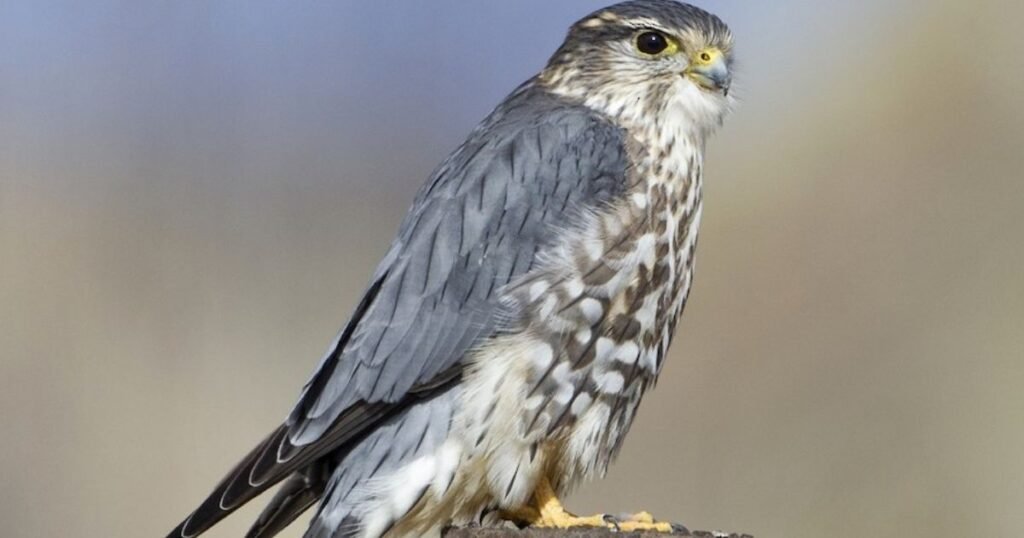
Smaller than the Peregrine but equally fierce, the Merlin is a stout little falcon known for its agility and rapid flights. Often seen darting through low vegetation to catch small birds, its tenacity is truly remarkable. Merlin’s playful nature and social behavior during breeding season bring a vibrant energy to the habitats they occupy.
Gyrfalcon
The largest of the falcon species, the Gyrfalcon is an Arctic powerhouse, thriving in extreme conditions where few others can. Their thick plumage and varied color morphs — ranging from dark gray to almost white — help them blend into their icy surroundings. This majestic bird hunts a range of prey, from birds to small mammals, showcasing a remarkable versatility that makes them a true wonder of the avian world.
Top 5 Common Hawk Species
Below is the list of 5 common hawk species:
- Red-tailed Hawk
- Cooper’s Hawk
- Sharp-shinned Hawk
- Harris’s Hawk
- Red-shouldered Hawk
Red-tailed Hawk
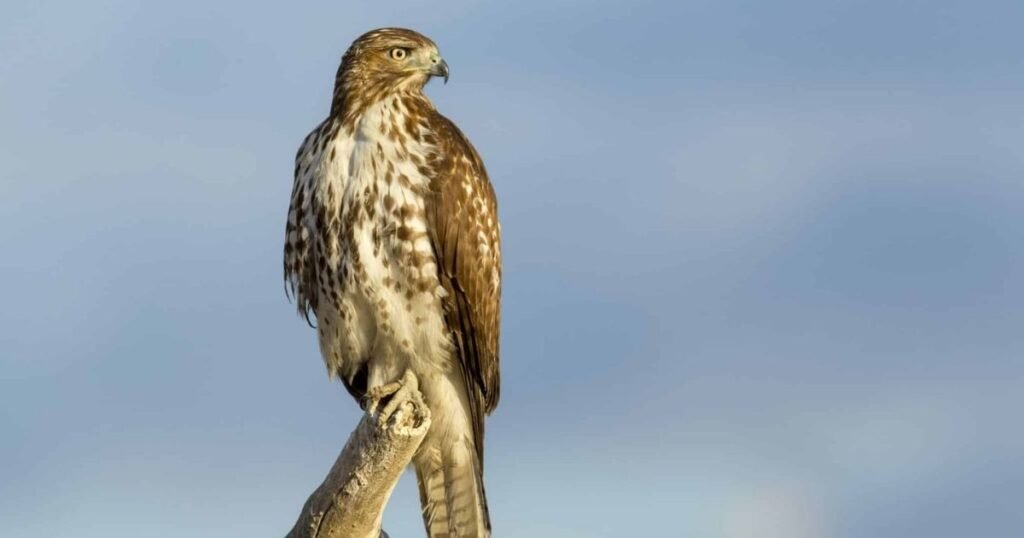
Often the most recognizable hawk across North America, the Red-tailed Hawk sports a characteristic reddish-brown tail that catches the eye, especially in flight. Versatile in habitat, you can find them in urban areas as well as remote forests. Their piercing scream is iconic, marking their presence in the skies. What’s fascinating is their adaptability; they hunt a variety of prey, from rodents to rabbits, showcasing their skill and resourcefulness.
Cooper’s Hawk
The Cooper’s Hawk is a master of the art of stealth, known for its surprising agility and speed. Often found in woodlands, they are expert hunters of birds, using dense cover to launch stealthy ambushes. Their unique round-tipped wings provide exceptional maneuverability, allowing them to weave through trees with ease. This species highlights the delicate balance of nature, as its populations are often affected by local avian numbers, showcasing the interdependence of ecosystems.
Sharp-shinned Hawk
Similar in hunting style to the Cooper’s Hawk but smaller, the Sharp-shinned Hawk is an agile predator that prefers wooded areas and is often found darting through thickets to catch unsuspecting songbirds. Their small stature makes them elusive, which adds to their charm. Interestingly, they exhibit remarkable migratory behavior, traveling long distances to find the best feeding grounds. This hawk serves as a reminder of the intricate dynamics of bird populations and the importance of preserving their habitats.
Harris’s Hawk
Unique among hawks, the Harris’s Hawk is known for its social behavior, often hunting in packs. Found in desert regions and open landscapes, they take advantage of cooperative hunting techniques, showcasing a fascinating display of teamwork in the avian world. Their darker plumage and striking yellow leg feathers set them apart visually. Observing their group dynamics illustrates how social structures can impact hunting success and survival rates in the wild.
Red-shouldered Hawk
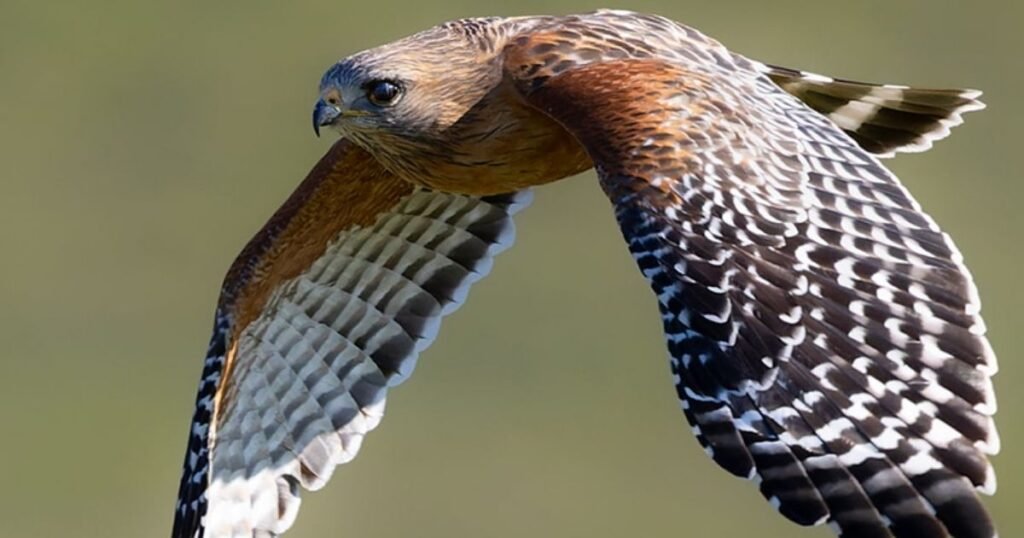
With its distinctive call echoing through deciduous forests, the Red-shouldered Hawk is a true emblem of the woodlands. Its vibrant reddish shoulders and intricate markings make it a visual delight. This hawk is known for its keen ability to locate prey using a combination of sight and sound, often perching on low branches to scan its surroundings. Their reliance on specific habitats highlights the importance of conservation efforts, as maintaining healthy forest ecosystems is vital for their survival.
Final Words
In summary, while falcons vs hawks share many similarities as birds of prey, their distinctions are just as intriguing. Falcons are known for their incredible speed and agility, often soaring high above the landscape to spot their prey from a distance.
On the other hand, hawks, with their robust build and keen hunting skills, excel in navigating through forests and open fields. Understanding these differences can deepen our appreciation for these magnificent creatures and the ecosystems they inhabit. So next time you spot one soaring above, take a moment to consider whether it’s a falcon or a hawk and what makes each so special.
FAQ’S
What are the main differences between a falcon and a hawk?
Falcons vs hawks are both birds of prey, but they have some key differences. Falcons are generally smaller and more slender than hawks. They often have long wings and pointed tails, which help them fly fast and dive quickly. Hawks, on the other hand, are usually bulkier and have broader wings. They tend to soar in the sky and glide over open areas when searching for food.
Are hawks stronger than falcons?
Hawks and falcons are both strong birds of prey, but they have different strengths. Generally, hawks are larger and heavier. They have powerful talons and strong wings, which help them catch bigger prey.