Deaf Animals: 15 Fascinating Creatures That Thrive Without Hearing
Deaf animals might seem like they’d face insurmountable challenges in the wild, but many have evolved remarkable adaptations that allow them to thrive without hearing. Exploring these fascinating creatures reveals not just their survival strategies but also the incredible resilience of nature.
In this article, we’ll introduce you to 15 unique species that navigate their worlds in silence, showcasing the strength and ingenuity of life beyond sound. Prepare to be amazed by their stories and the lessons they offer about adaptation and survival.
What Does It Mean for an Animal to Be Deaf?
Deaf animals navigate through a world that relies heavily on sound, using alternative senses to compensate for their unique condition. While many people might assume that deafness leads to isolation or vulnerability, these animals often display remarkable adaptability. They may rely more on visual cues, textures, and scents to interpret their surroundings, demonstrating an incredible resilience that challenges our preconceived notions of communication in nature.
Interestingly, research suggests that deaf animals can also develop stronger bonds with their companions. Since they can’t hear their owner’s voice, they may become more attuned to physical touch and visual signals.
Top 5 Wild Animals Known to Survive Despite Hearing Loss
Below is the list of the Top 5 Wild Animals Known to Survive Despite Hearing Loss:
- Dolphin
- Bat
- Elephant
- Sea Lion
- Whale
Dolphin
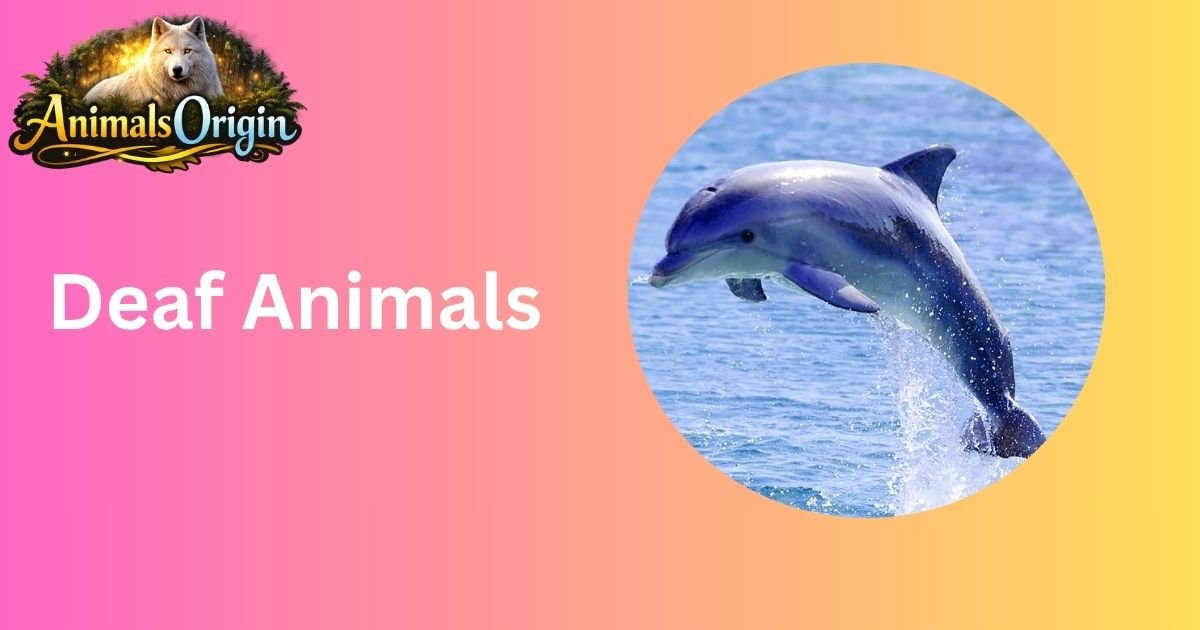
Known for their high intelligence and social nature, dolphins have adapted remarkably to communicate using a complex system of clicks and whistles. While hearing loss can affect their echolocation abilities, these marine mammals often compensate by enhancing their visual cues and body language to interact with pod members.
Bat
Often seen as the creatures of the night, bats rely heavily on echolocation. Surprisingly, some species can adapt when faced with hearing loss by using alternative methods of navigation and foraging, like enhancing their vision or even relying more on their sense of smell.
Read more: What Animals Eat Trees: 15 Creatures That Feed on Trees
Elephant
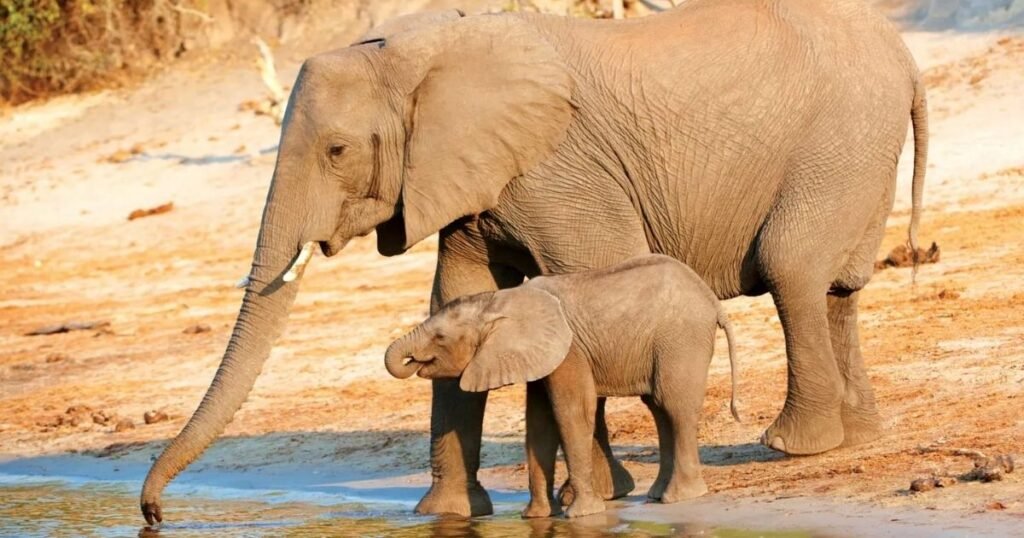
Elephants communicate through low-frequency sounds, sometimes below the range of human hearing. Those that may lose their hearing still maintain social bonds and can detect vibrational signals through the ground, which helps them stay connected with their herds and find resources in their environments.
Sea Lion
Despite their acute hearing abilities, sea lions can endure partial hearing loss due to their robust social structures and communication methods. They rely on visual signals and vocalizations, adapting their behaviors to maintain cohesion within their groups.
Whale
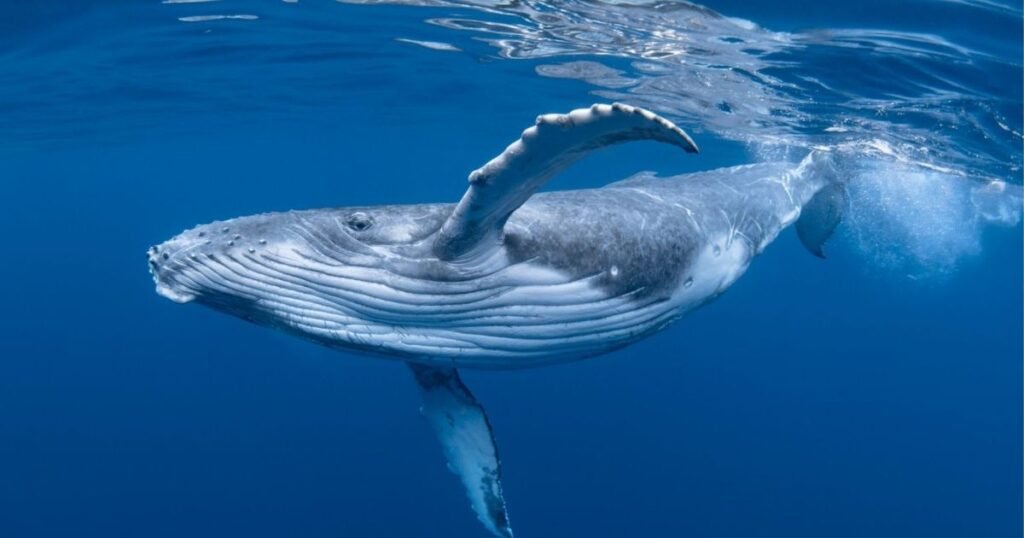
Whales, like the blue whale, utilize deep, resonant calls that can travel long distances underwater. Though hearing loss can limit these sounds, whales often adapt by communicating more through body language and adjusting their vocalizations to maintain contact with fellow pod members.
5 Domestic Animals That Can Live Happy Lives While Deaf
Below is the list of 5 Domestic Animals That Can Live Happy Lives While Deaf:
- Dog
- Cat
- Horse
- Rabbit
- Goat
Dog
Deaf dogs often rely on their other senses, particularly smell and sight, to navigate their world. With positive reinforcement training methods, they can learn commands through visual cues. Their adaptability means they can still enjoy fulfilling lives, forming strong bonds with their humans and finding joy in play and companionship.
Cat
Deaf cats are masters of observation. Their keen eyesight and acute sense of smell allow them to understand their environment while remaining in tune with their surroundings. These felines find comfort in creating safe spaces where they can retreat, ensuring they feel secure while exploring their domains.
Horse
Horses, despite being large animals, can lead incredibly rich lives even without hearing. Their reliance on body language and the energy of their handlers fosters deep connections. With proper care, these majestic creatures thrive in environments that prioritize visual communication and trust, making every moment spent together a rewarding experience.

Rabbit
Deaf rabbits often enjoy a tranquil existence, filled with the gentle sounds of rustling leaves and playful hops. They communicate through behavior, using thumping and body language to express their feelings. With environments that cater to their playful nature, deaf rabbits can enjoy an enriching life, exploring their surroundings and forming bonds with caretakers.
Goat
Deaf goats are surprisingly resilient and adaptable creatures. They develop strong social bonds, communicating through visual cues and playful interactions. Their curious nature allows them to explore their environment energetically, ensuring their days are filled with joy and fun, proving that having a hearing impairment doesn’t dull their vibrant spirits.
5 Amazing Adaptations Deaf Animals Use to Navigate Their Environment
Below is the list of 5 Amazing Adaptations Deaf Animals Use to Navigate Their Environment:
- Enhanced Vision for Detecting Movement and Danger
- Greater Reliance on Vibrations and Ground Signals
- Improved Sense of Smell for Finding Food and Companions
- Use of Touch and Body Language for Communication
- Heightened Awareness of Environmental Changes Through Other Senses
Enhanced Vision for Detecting Movement and Danger
Many deaf animals have evolved sharper vision to compensate for their auditory limitations. This heightened visual acuity allows them to detect subtle movements in their environment, such as the rustle of leaves caused by a predator or the quick dart of potential prey. With their focus drawn to visual cues, they often excel in spotting camouflage, giving them an advantage in both hunting and evading threats.
Greater Reliance on Vibrations and Ground Signals
Deaf animals often become acutely aware of vibrations and ground signals, using these cues to navigate their surroundings. For instance, many species of deer will pick up the slightest tremors of footsteps or the vibrations caused by nearby movements. This awareness not only helps them to sense danger but also to stay connected with their herd, ensuring they remain in tune with their companions even in silence.
Improved Sense of Smell for Finding Food and Companions
The absence of sound drives many deaf animals to develop an exceptional sense of smell. This adaptation enables them to locate food more efficiently and recognize others of their species from afar. Imagine a wolf sniffing the air for the scent of prey or a dog identifying familiar humans; these keen olfactory skills become vital tools in their survival toolkit.

Use of Touch and Body Language for Communication
In the absence of vocalization, deaf animals often rely on intricate body language and touch to express themselves. From the gentle nudge of a cat to the more elaborate displays of a gorilla, these subtle signals can convey a plethora of information. Animals learn to interpret these non-verbal cues, fostering deeper bonds and enhancing social interactions within their groups.
Heightened Awareness of Environmental Changes Through Other Senses
Deafness often leads to a stronger reliance on other senses, enhancing an animal’s overall awareness of their environment. For instance, a blindfolded bat, despite its deafness, can navigate through echolocation by feeling the changes in air currents. This multi-sensory approach not only aids survival but also allows them to adapt creatively to various ecological niches, showcasing the ingenuity of nature’s design.
How Do Deaf Animals Communicate Without Sound?
Deaf animals have developed unique ways to communicate that go beyond sound, utilizing their heightened senses and instinctive behaviors. Visual cues play a major role; many deaf species rely heavily on body language, such as tail movements, facial expressions, and even the positioning of their ears, to convey emotions and intentions. For instance, a dog may wag its tail enthusiastically to show excitement or lower its body to indicate submission, all without producing a sound.

In addition to visual signals, many deaf animals are adept at utilizing vibrations to communicate. Ground vibrations can alert animals to nearby mates or potential threats. This innate ability allows them to maintain social connections even in silence.
Final Words
In exploring the lives of deaf animals, we uncover remarkable adaptations that allow these fascinating creatures to thrive without hearing. From the majestic white tiger to the playful dolphins, each species showcases unique abilities that help them navigate their environments.
Their stories remind us that survival isn’t solely dependent on one sense but rather a combination of incredible instincts and learned behaviors. By celebrating these amazing animals, we can also raise awareness about the challenges they face in the wild and in captivity. Let’s cherish and protect these unique beings, inspiring a deeper appreciation for the diversity of life on our planet.
FAQ’S
What are some deaf animals?
Several animals are known to be deaf, either due to genetic factors or environmental influences. Among the most recognized are certain breeds of dogs, like the Dalmatian and the Australian Shepherd, which often inherit deafness due to genetic mutations.
What mythical creatures are deaf?
Certain mythical creatures are often depicted as deaf or with limited hearing. For example, some interpretations of the Greek Cyclopes describe them as not just one-eyed but also deaf, emphasizing their isolation and brute strength