Do Birds Pee: The 15 Surprising Truth About Bird Waste
While most of us think of bird waste as simple droppings, the truth behind it is far more fascinating. You might be surprised to learn that the question “Do birds pee?” unveils a world of unique adaptations in the avian realm.
Understanding how birds excrete waste not only gives insight into their biology but also educates us on the environmental impact of their droppings. Dive into this article to discover the surprising truths about bird waste and how it shapes ecosystems.
Do Birds Pee or Only Poop?
Understanding how birds manage waste reveals fascinating adaptations in their biology. Unlike mammals, birds have evolved a unique system where they don’t distinguish between urine and feces. Instead, they produce a semi-solid waste that contains both uric acid and undigested food. This efficient process allows them to conserve water, a crucial factor for their survival, especially in arid environments.
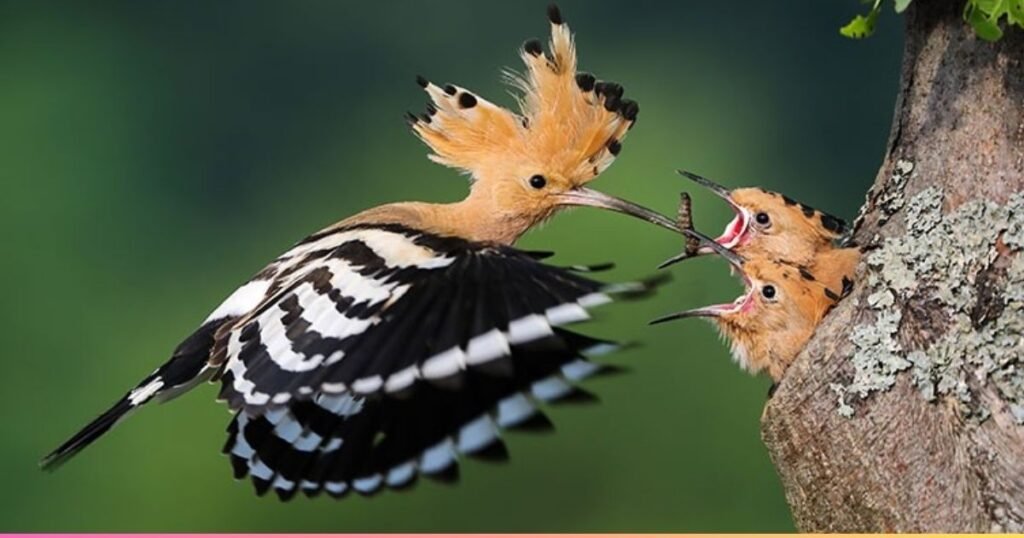
When we ask, “Do birds pee?” the answer is more nuanced than it seems. Birds excrete waste in the form of droppings, which appear as both solid and liquid components.
Top 5 Birds With the Most Unusual Waste Habits
Below is the list of the Top 5 Birds With the Most Unusual Waste Habits:
- Barn Owl
- Emperor Penguin
- Turkey Vulture
- Rock Pigeon
- Common Swift
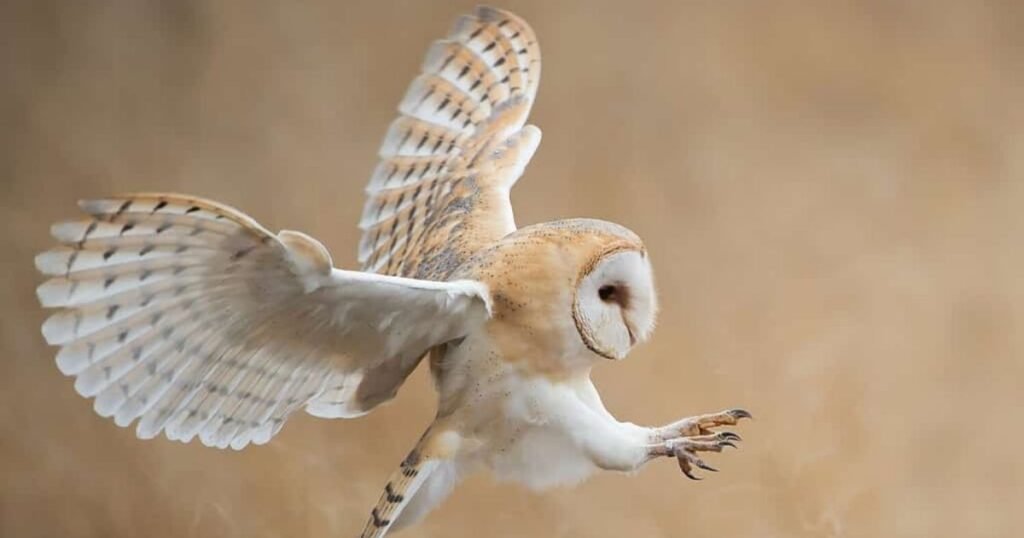
Barn Owl
Known for their incredible hunting skills, Barn Owls have a peculiar waste habit — they often regurgitate indigestible parts of their prey, such as bones and fur, into neat pellets. This unique method not only recycles nutrients back into the ecosystem but also provides insight into their diet for ornithologists studying local wildlife.
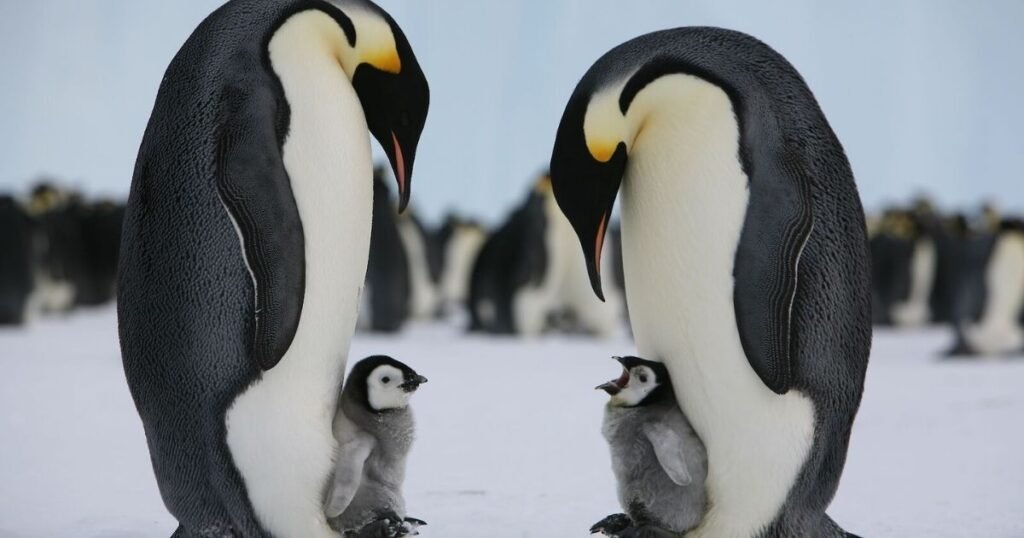
Emperor Penguin
Amidst the icy expanse of Antarctica, Emperor Penguins have adapted their waste habits to conserve precious energy. Their droppings play a crucial role in nutrient cycling within their breeding colonies, helping to fertilize the surrounding snow and ice, which can ultimately influence local flora — an unexpected benefit of their frigid habitat.
Read more: Animals With Sharp Teeth: 15 Fierce Species Built for Hunting
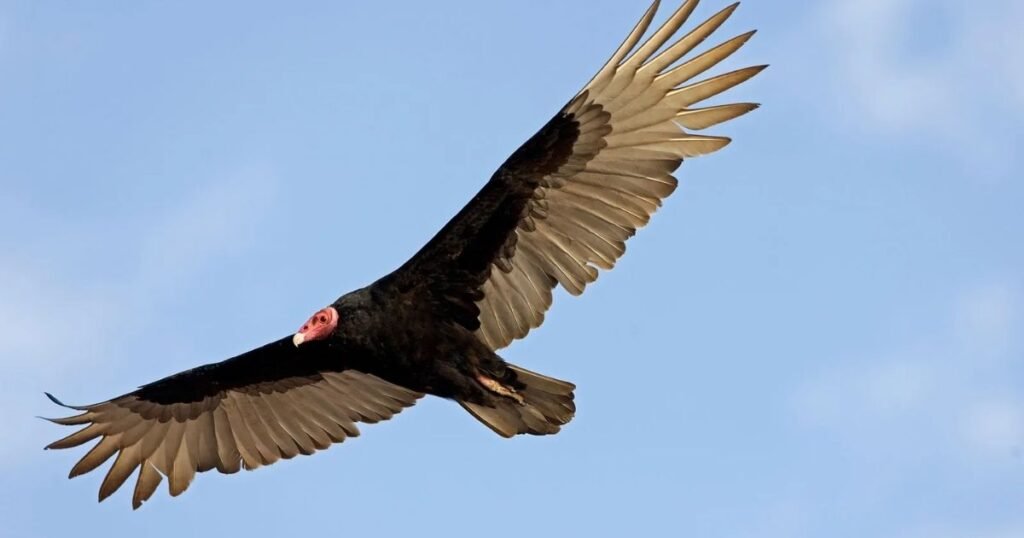
Turkey Vulture
Turkey Vultures are nature’s clean-up crew, using their waste as a temperature regulator. By defecating on their own legs, they not only cool down after feasting on carrion but also hinder bacterial growth. This fascinating survival tactic showcases their unique adaptation to a scavenger’s lifestyle.
Rock Pigeon
Often seen in urban environments, Rock Pigeons have waste habits that directly impact city ecosystems. Their droppings provide essential nutrients for urban plants but can also become a nuisance due to their abundance. Interestingly, this duality emphasizes the delicate balance between wildlife and urbanization.
Common Swift
These agile fliers defecate in mid-air, a behavior that seems merely chaotic at first glance. However, this habit cleverly helps to fertilize high-altitude ecosystems, allowing plants to thrive in regions often overlooked. It’s an example of how even the waste of a quick-flying bird can play a vital role in environmental health.
5 Reasons Birds Don’t Produce Liquid Urine
Below is the list of 5 Reasons Birds Don’t Produce Liquid Urine:
- To conserve water.
- To reduce body weight for efficient flight.
- They excrete nitrogen as uric acid instead of urea.
- Their kidneys and cloaca reabsorb much of the water.
To conserve water
Birds are incredible adaptors, thriving in habitats that often fluctuate with availability of water. This evolutionary advantage is crucial, as liquid urine production would demand significant water intake, something many birds would struggle to find. By avoiding liquid waste, they optimize their hydration strategy, essential for survival in arid climates.
To reduce body weight for efficient flight
The lightweight design of a bird’s body is essential for soaring through the skies. Liquid urine adds weight, so by excreting nitrogen as uric acid instead of urea, they remain light and agile. Uric acid is less water-intensive, allowing birds to maintain their impressive flight capabilities while minimizing unnecessary bulk.
Their kidneys and cloaca reabsorb much of the water
Birds have developed specialized kidneys that excel at reclaiming water, filtering it from their waste. This means that even as they excrete nitrogenous waste, they preserve vital fluids. The cloaca, combining digestive and urinary tracts, further enhances this efficiency, ensuring minimal water loss.
White urates can be expelled together with feces in one waste product
This unique excretion process is an efficient way to manage waste. By bundling uric acid with solid fecal matter, birds simplify their biology and reduce the frequency of waste removal. This dual action not only saves time but also helps in maintaining a lightweight, streamlined body suited for flight.
Top 5 Adaptations That Help Birds Conserve Water
Below is the list of the Top 5 Adaptations That Help Birds Conserve Water:
- Converting nitrogen waste into uric acid.
- Reabsorbing water in the cloaca.
- Highly efficient kidneys.
- Minimal water loss through respiration and skin.
- Producing concentrated, semi-solid waste instead of liquid urine.
Converting Nitrogen Waste into Uric Acid
Birds have mastered the art of water conservation by transforming nitrogen waste into uric acid. Unlike mammals, which excrete urea dissolved in water, birds excrete uric acid that is semi-solid, thus minimizing water loss. This remarkable adaptation allows them to thrive even in arid environments, making them efficient users of the scarce resources available.
Reabsorbing Water in the Cloaca
The cloaca serves as a multifunctional chamber in birds, playing a crucial role in waste management and water conservation. By reabsorbing water from waste products before excretion, birds significantly reduce water loss. This adaptation is particularly vital during droughts, showcasing their impressive ability to retain moisture.
Highly Efficient Kidneys
Birds possess highly efficient kidneys that filter blood and expel waste while conserving water. These specialized organs concentrate waste products effectively, allowing birds to excrete less liquid and retain vital fluids. This mechanic provides them with a competitive edge in harsh environments, where every droplet counts.
Minimal Water Loss through Respiration and Skin
Evaporative water loss can be a significant concern for birds, especially those in hot climates. However, many species have adapted to minimize this loss through specialized respiratory systems and impermeable skin. By efficiently cooling themselves while maintaining hydration, they can endure higher temperatures without compromising their water balance.
Producing Concentrated, Semi-Solid Waste Instead of Liquid Urine
This unique capability not only reduces water loss but also allows birds to travel lighter and more efficiently. As they produce concentrated waste, they don’t carry the extra burden of liquid urine, enabling greater mobility in search of food and nesting sites. This adaptation is a key survival strategy, particularly for those species inhabiting arid regions where water is precious.
How the Bird Excretory System Works
Birds have a unique way of handling waste that often leads to the question: Do birds pee? Unlike mammals that have separate systems for urine and feces, birds combine these processes. Their excretory system is remarkably efficient, as it conserves water during digestion. Instead of liquid urine, birds excrete a semi-solid waste called urate, which contains uric acid. This adaptation is crucial for survival, especially in arid environments, as it reduces water loss.
The kidneys play a pivotal role in this process, filtering blood and extracting waste. By reabsorbing water, birds maintain hydration, making their excretory system not just functional but a masterclass in adaptation
Final Words
In conclusion, the understanding of do birds pee in the same way mammals do. Instead, they excrete a mixture of waste and uric acid, demonstrating the unique adaptations that help them survive in their environments. This fascinating process not only conserves water but also highlights the complexities of avian biology.
By learning more about how birds manage their waste, we can appreciate the intricacies of nature even more. So next time you spot a bird, consider the amazing ways it has evolved to thrive. There’s always more to discover!
FAQ’S
Do birds urinate or just poop?
Birds don’t urinate in the same way mammals do. Instead, they excrete waste through their cloaca, which combines both solid and liquid waste. So, when birds “poop,” they’re actually releasing a mixture of feces and uric acid, a semi-solid substance that conserves water.
What is a fact about bird poop?
Another interesting fact is that bird droppings can be beneficial for the environment. They serve as a natural fertilizer, enriching soil with nutrients. However, they can also be a nuisance, causing damage to buildings and vehicles if not cleaned promptly.