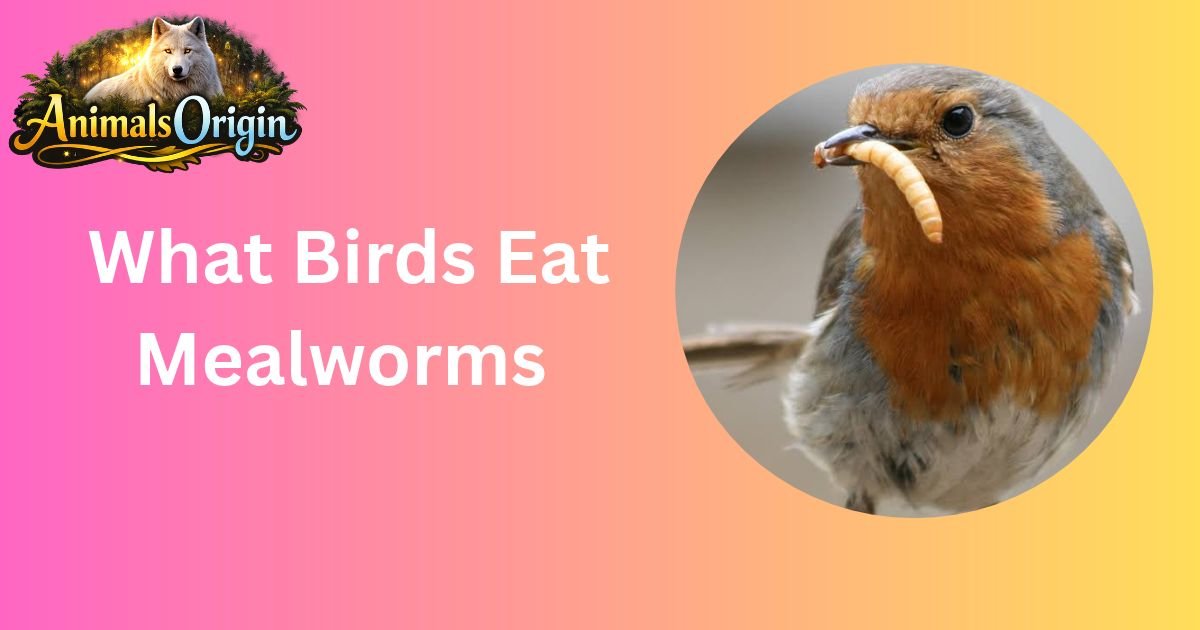
What Birds Eat Mealworms : 15 Birds That Love This Protein-Rich Food
Did you know that mealworms are not just a favorite snack for many birds but also a vital source of protein for their growth and energy?
We will explore which birds eat mealworms and delve into 15 fascinating species that eagerly indulge in this nutritious treat. Understanding their dietary preferences can enhance your birdwatching experience and help you attract these stunning creatures to your backyard. Get ready to discover which birds will flutter by for a tasty mealworm feast.
What Birds Eat Mealworms and Why Do They Like Them?
When considering what birds eat mealworms, it’s no surprise that many feathered friends find them irresistible. Species like blue jays, robins, and chickadees are particularly fond of these wriggly snacks. The high protein content in mealworms makes them a prime choice for birds, especially during breeding season when their energy needs increase. Additionally, mealworms provide essential fats and nutrients, making them an excellent addition to any bird’s diet.
Birds are instinctively attracted to mealworms not just for sustenance but also for their texture and motion. The wriggling nature of live mealworms catches a bird’s eye, mimicking the movements of natural prey like insects. This instinctive attraction to movement plays a significant role in their feeding strategy, allowing them to quickly identify nutrient-rich food sources.
15 Birds That Eat Mealworms
Below is the list of 15 birds that eat Mealworms.
- Bluebirds
- American Robins
- Chickadees
- House Wrens
- Carolina Wrens
- European Starlings
- Northern Cardinals
- Black-capped Chickadees
- Tufted Titmice
- Eastern Phoebes
- Barn Swallows
- House Sparrows
- Blue Jays
- Woodpeckers
- Nuthatches
Bluebirds
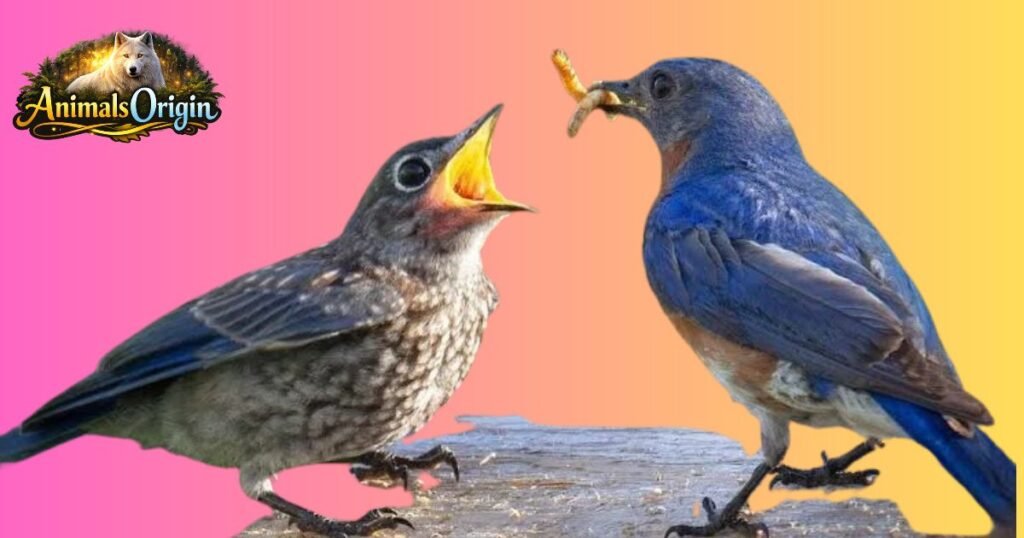
These vibrant birds are not just a delight to watch; they have a diet heavily inclined toward mealworms, especially during the breeding season when their young require high protein.
American Robins
Known for their melodious songs, American Robins are skilled foragers that readily include mealworms in their diet, particularly when foraging for insects becomes more challenging in colder months.
Chickadees
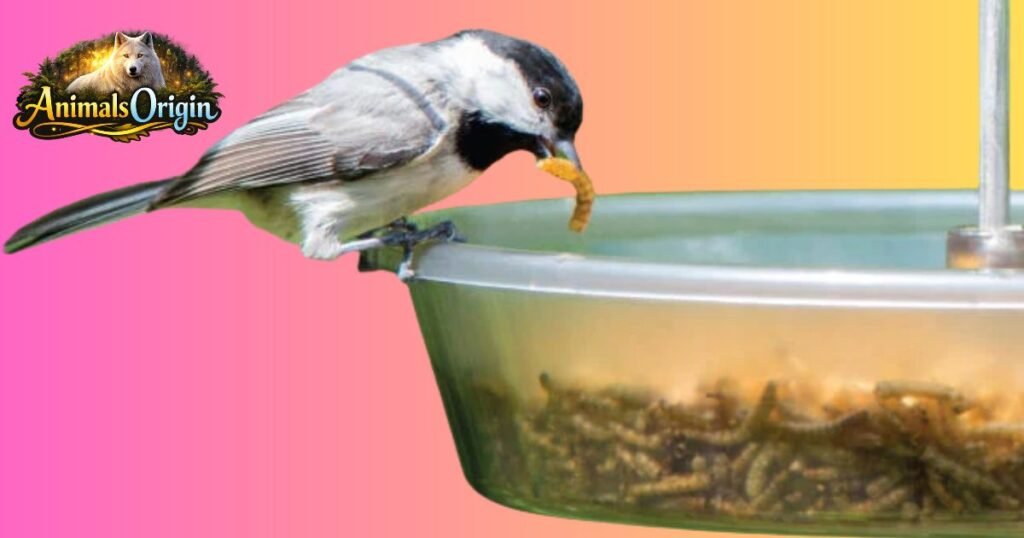
With their curious nature, chickadees are often seen flitting to feeders for mealworms. Their remarkable memory allows them to cache these protein-packed treats for later, showcasing their survival skills.
House Wrens
Small yet fierce, house wrens eagerly accept mealworms, complementing their diet of insects. Their energetic personalities make them entertaining to observe as they hunt and gather food.
Carolina Wrens
Known for their distinctive songs, Carolina wrens are opportunistic feeders. They search through leaf litter for mealworms, adding a vital protein source to their primarily insect-based diet.
European Starlings
These adaptable birds have a varied diet, and mealworms are a favorite. Their social behavior and foraging in flocks can lead to rapid consumption, showcasing their resourcefulness.

Northern Cardinals
Vibrant and iconic, Northern Cardinals often visit feeders for mealworms, especially in winter. Their striking color contrasts beautifully against snow, making them a joy for birdwatchers.
Black-capped Chickadees
Not just a pretty face, these sociable birds thrive on mealworms when they’re available, providing essential nutrition during the winter months when other food sources dwindle.
Tufted Titmice
These agile foragers take full advantage of mealworms, often swooping down to grab them before darting back to the safety of nearby branches, embodying acrobatic grace.
Eastern Phoebes
Though primarily insectivorous, eastern phoebes will readily accept mealworms, particularly during migration, offering a reliable energy boost when food is scarce.

Barn Swallows
While they mainly catch insects mid-air, barn swallows will investigate mealworms at feeders, showcasing their adaptability as they scout different food sources during nesting.
House Sparrows
Often found in urban settings, house sparrows are not picky eaters. They’ll eagerly consume mealworms from feeders, thriving in diverse environments thanks to their opportunistic feeding habits.
Hoatzin Bird:10 Fascinating Facts About the Strange Amazonian Bird
Blue Jays
These intelligent birds are known for their striking blue plumage and penchant for stealing mealworms from feeders, often burying them to enjoy later.
Woodpeckers
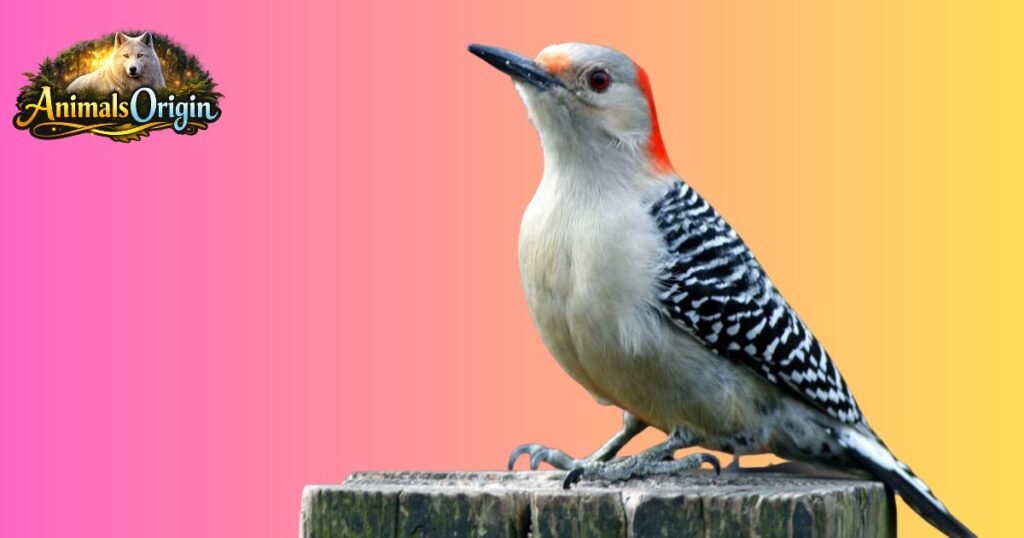
Various species of woodpeckers, from the Downy to the Red-bellied, will feast on mealworms when other insects are scarce, often showcasing their unique foraging behavior.
Nuthatches
These acrobatic birds are fascinating to watch as they navigate feeders, often grasping mealworms with their feet and feeding upside down ,highlighting their unique adaptation strategies.
How Do Birds Find and Eat Mealworms
In the wild, birds that like mealworms have developed sharp instincts for locating these nutritious treats. Many species, such as blue jays and robins, utilize both keen eyesight and their innate ability to sense movement. Mealworms often hide beneath layers of leaves or in soil, making them elusive prey. The vibrant colors of these birds play a crucial role, as their bright plumage not only attracts mates but also aids in spotting mealworms from a distance, enhancing their foraging success.
Once the mealworms are found, the wild birds that eat mealworms employ various feeding techniques. Some birds, like woodpeckers, use their strong beaks to excavate deeper and access hidden worms, while others, like sparrows, prefer to scratch at the ground to uncover these tasty morsels.
Are Mealworms Good for Birds
Many backyard birds that eat mealworms thrive on the high protein content that these little critters offer. Species such as bluebirds, wrens, and robins are particularly fond of them, making mealworms an enticing treat that enhances birdwatching experiences in your garden. Not only do these insects provide essential nutrients, but they also cater to the natural foraging instincts of wild birds, which seek out protein-rich foods.
Setting up a mealworms-for-wild-birds feeding station can attract a diverse range of avian visitors. Unlike seeds that may only appeal to certain species, mealworms can bring in those birds that are less common in your area.
How to Offer Mealworms to Wild Birds
To attract mealworm-eating birds, you can create an enticing feeding space by using a specialized feeder. Look for one with small ports that allow only birds to access the mealworms while keeping squirrels at bay. Hanging the feeder near shrubs or trees provides a natural perching area for birds, making them feel safe as they approach to snack.

When feeding mealworms to birds, consider offering them in different forms. While live mealworms are often a bird favorite, dehydrated versions can also be effective; just remember to soak them in water for a few minutes to rehydrate. It’s essential to keep the feeding station clean and monitor the supply, as some of the best birds for mealworm feeders, like bluebirds and robins, can be particularly eager diners.
Final Words
A variety of birds eat mealworms as a protein-rich food source. From the agile blue jay to the delicate chickadee, these feathery friends exhibit a strong preference for this nutritious treat. Offering mealworms not only helps attract diverse species to your backyard but also supports their dietary needs, especially during breeding season.
As you explore birdwatching, consider adding mealworms to your feeding routine; you may be surprised by the feathered visitors that show up. Start providing mealworms today and watch your garden come alive with vibrant avian life.
FAQs
Will Squirrels Eat Mealworms?
Yes, squirrels will eat mealworms. These small, protein-rich insects can be an appealing snack, especially when they need an extra energy boost. Squirrels are opportunistic feeders, and their diet mainly consists of nuts, seeds, fruits, and vegetables, but they’ll gladly munch on mealworms if they come across them.
What are the Main Predators of Mealworms?
Mealworms, the larvae of the darkling beetle, have several natural predators. Birds are among their most significant threats, as they readily forage for protein-rich snacks. Many species, such as sparrows and chickens, eagerly eat mealworms, making them a staple in these birds’ diets.
Should I Soak Dried Mealworms for Birds?
Yes, soaking dried mealworms for birds can be beneficial. It helps rehydrate the worms, making them more appealing and easier for birds to consume. This is especially useful for smaller bird species or those with weaker beaks that might struggle with hard, dry food.