Animals That Look Like Groundhogs: 10 Lookalikes From Around the World
Have you ever come across an animal that made you do a double-take because it bore an uncanny resemblance to a groundhog? Join us as we unveil ten fascinating Animals That Look Like Groundhogs from various corners of the earth.
This exploration is essential for animal lovers and curious minds alike, as it highlights the wonders of nature’s creativity. By the end, you’ll be equipped with intriguing insights and fun facts that underscore the diversity of our wildlife.
What Animals Look Like Groundhogs?
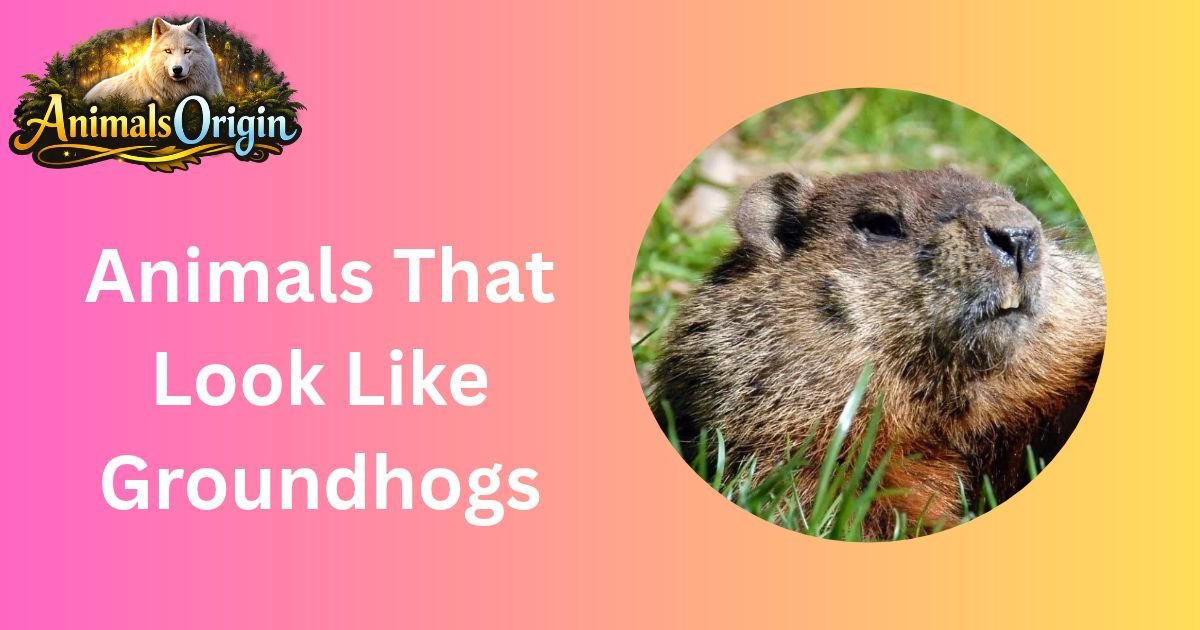
When exploring Animals That Look Like Groundhogs, it’s fascinating to note that these stocky rodents share traits with a variety of other furry mammals. One close relative is the woodchuck, also known for its similar build and habits. With a compact body and short limbs, both creatures exhibit the same stout, burrowing physique that makes them adept at digging into the earth. Their fur ranges from brown to grayish hues, blending seamlessly into their natural habitats, which often include fields and woodlands.
Another interesting comparison can be made with the European mole; though it’s more subterranean in lifestyle, its stout body and small, rounded features bring to mind certain groundhog characteristics. On the other hand, the prairie dog offers a slight twist on the theme; while more social and vocal, its compact size and communal burrowing behavior echo those of the groundhog.
10 Animals That Look Like Groundhogs
Below is the list of 10 Animals That Look Like Groundhogs:
- Marmot
- Prairie Dog
- Beaver
- Nutria
- Capybara
- Muskrat
- American Pika
- Yellow-Bellied Marmot
- Hoary Marmot
- Ground Squirrel
Marmot
Closely related to groundhogs, marmots exhibit similar stocky bodies and short limbs. Found in mountainous regions, these critters are vocal and social, often living in colonies. Their playful nature sets them apart, making them a delight for wildlife watchers.
Prairie Dog
With a resemblance to groundhogs, prairie dogs feature a compact build and a lively personality. These social animals create vast burrow systems and are known for their intricate communication, showcasing a fascinating side to their ground-dwelling lifestyle.
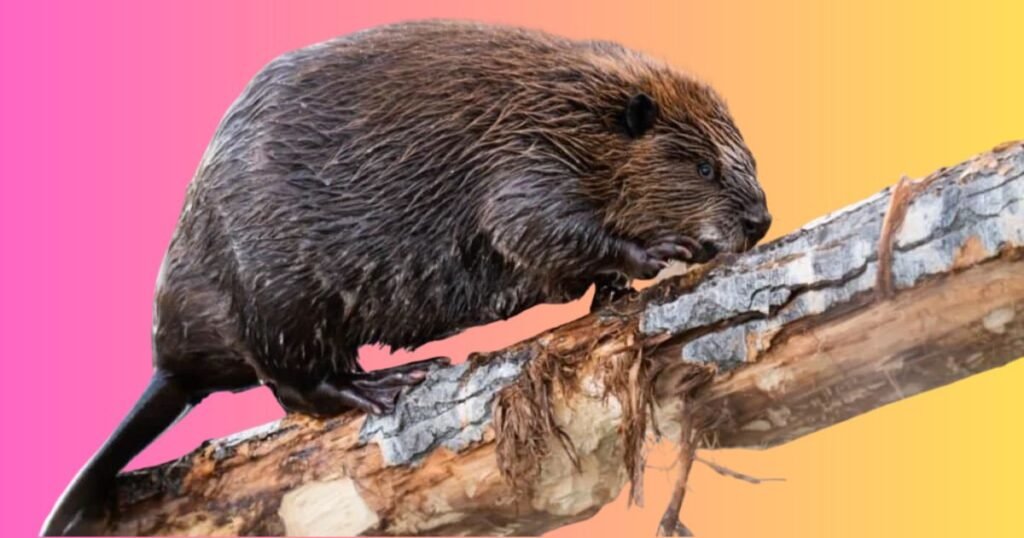
Beaver
While beavers have a distinct flat tail, their robust bodies and burrowing tendencies make them a charming lookalike. Equipped with strong teeth for gnawing, beavers contribute significantly to their ecosystems, unlike the more solitary groundhog.
Nutria
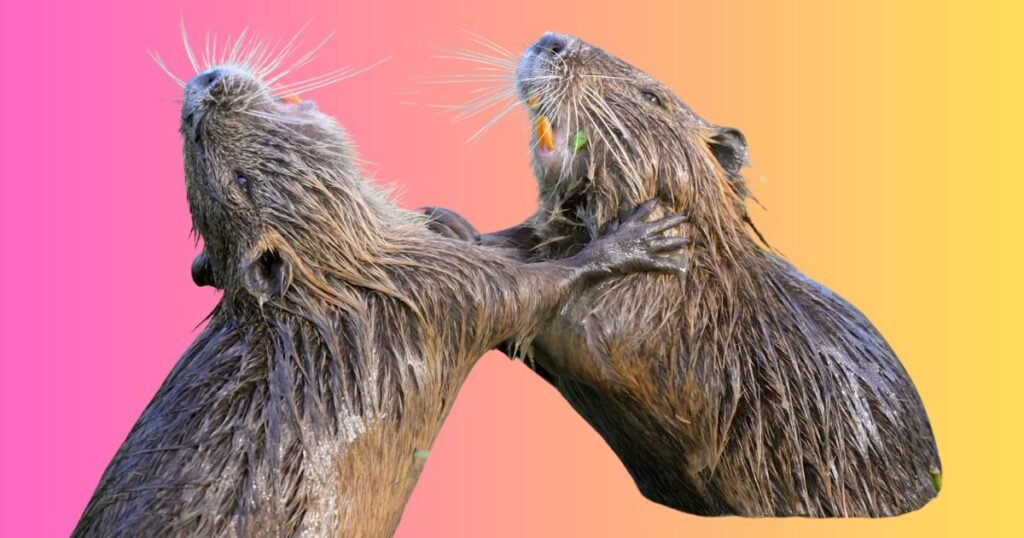
Often mistaken for beavers, nutria possess thick, fur-covered bodies and webbed feet. Found along waterways, these semi-aquatic rodents exhibit an adapted lifestyle that contrasts sharply with the terrestrial habits of the groundhog.
Capybara
The world’s largest rodent, capybaras share a rounded body frame and a somewhat similar facial structure. Native to South America, these gentle giants thrive in social groups, enjoying a lifestyle steeped in camaraderie that is quite different from the lone groundhog.
Muskrat
Smaller than groundhogs, muskrats still share a stocky build and a penchant for burrowing. Their aquatic habitats allow them to thrive in wetlands, creating a fascinating contrast to the terrestrial environments favored by groundhogs.
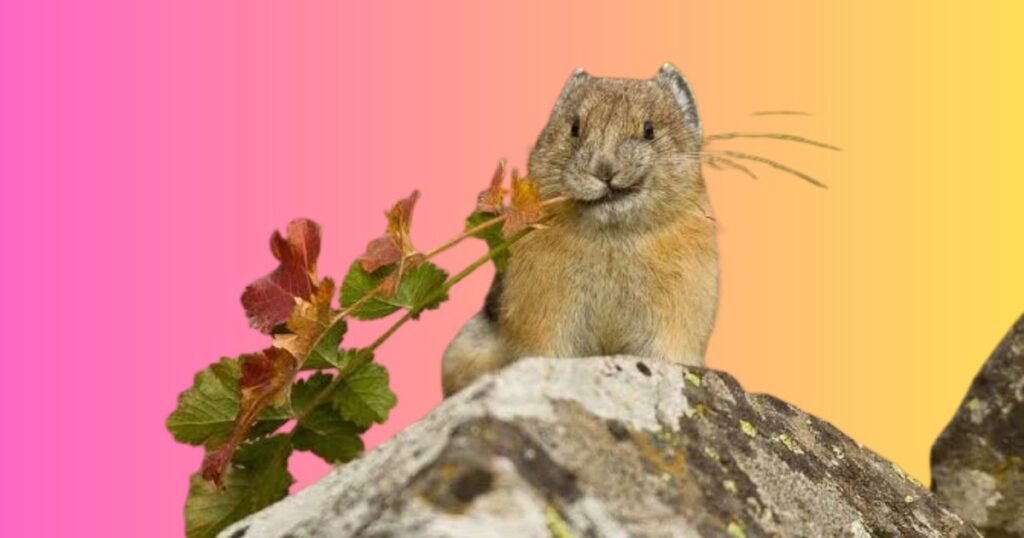
American Pika
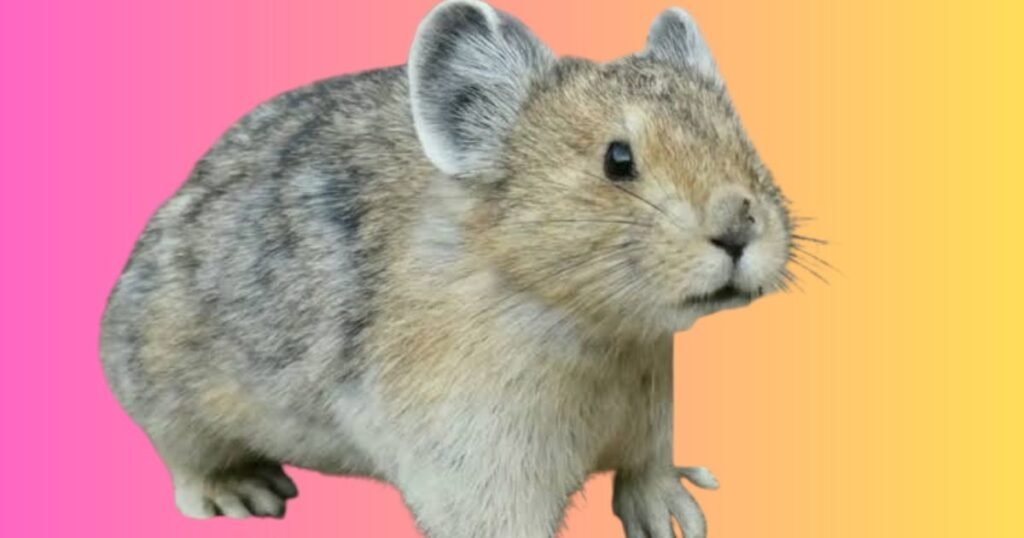
Although they are much smaller, American pikas share the rounded body shape of groundhogs. These alpine dwellers are expert foragers, collecting and storing food in their rocky habitats, showcasing a unique adaptation to high-altitude living.
Yellow-Bellied Marmot
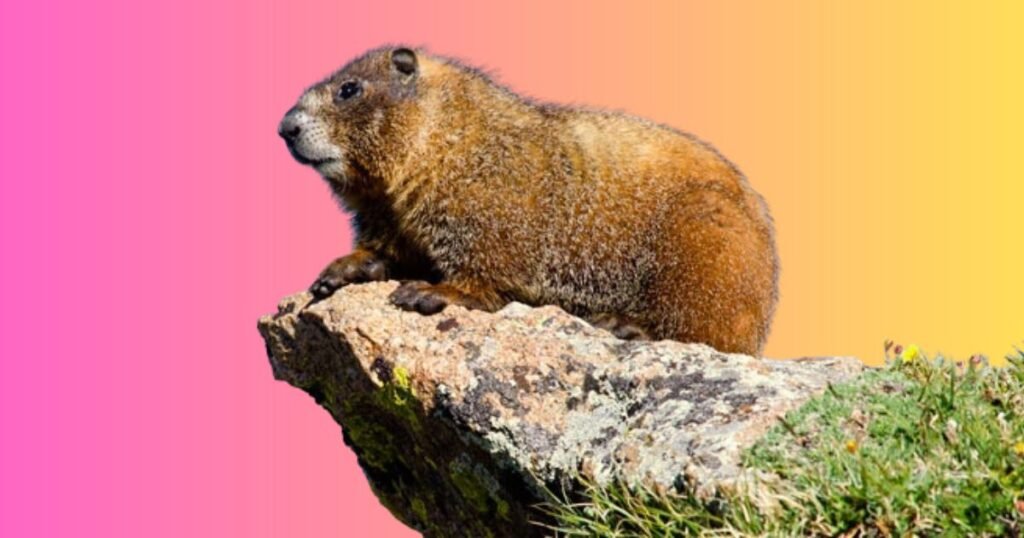
Another relative, the yellow-bellied marmot is notable for its vibrant fur. These charismatic creatures inhabit the western U.S. and are sometimes spotted sunbathing on rocks, which provides a picturesque contrast to the groundhog’s humble burrow.
Hoary Marmot
Found in mountainous regions, hoary marmots sport thick, greyish fur, blending well with rocky terrains. Their communal behavior and whistle-like calls create a lively atmosphere reminiscent of the social dynamics seen in groundhog communities.
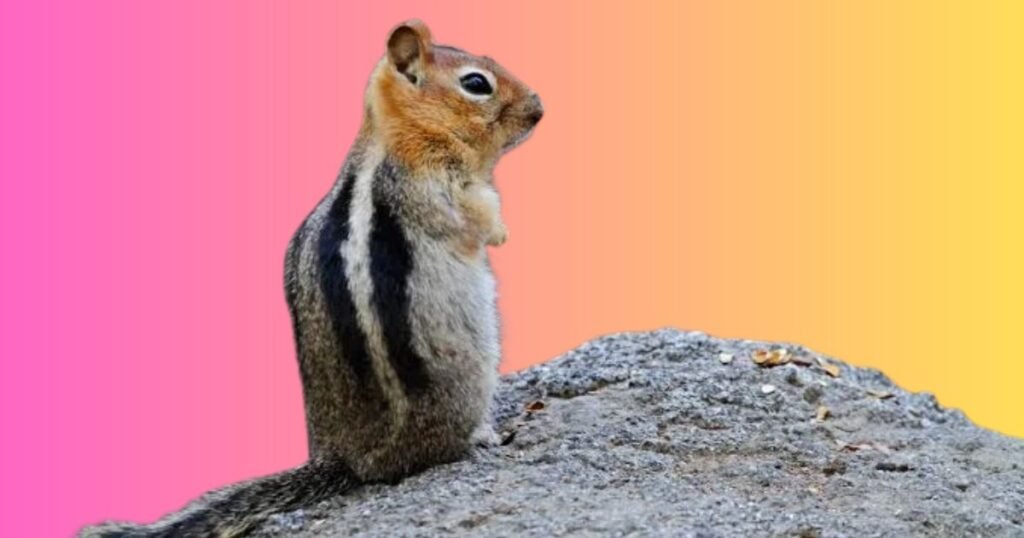
Ground Squirrel
Resembling miniature groundhogs, ground squirrels share a cute charm with their small, fluffy bodies and strong hind legs used for digging. Their burrowing habits and playful antics make them a captivating presence in grasslands alongside their larger relatives.
Groundhog-Like Animals With Similar Body Shapes
Marmots and prairie dogs may steal the spotlight with their playful burrowing antics, but they’re just part of a larger family of round-bodied rodents that inhabit diverse landscapes. Take beavers, for instance: these semi-aquatic builders lend a unique twist to the groundhog’s silhouette. With their webbed feet and flat tails, they trade earthy tunnels for intricate dams, showcasing a different kind of ingenuity that supports entire ecosystems.
To increase your knowledge, read: Birds With Long Legs: 15 Stunning Species Built for Wading
Meanwhile, nutria and capybaras stroll the wetlands with an air of nonchalance, their chunky forms floating gracefully like furry torpedoes. These social creatures offer a fascinating glimpse into the adaptability of groundhog-like shapes across various habitats. And let’s not forget gophers and muskrats, who share this squat physique yet illustrate a wild proof of nature’s design- a reminder that underneath the earth, or by the water’s edge, the same principles of survival and thriving can be found in these charmingly rotund critters.
Burrowing Animals That Resemble Groundhogs
Burrowing animals that look like groundhogs share intriguing characteristics, showcasing nature’s adaptability. One fascinating example is the marmot, another member of the large rodent family. These round-bodied animals thrive in mountainous terrains, using their burrows not just for shelter but as strategically placed lookout posts for potential predators. Unlike groundhogs that often inhabit fields and meadows, marmots prefer rocky slopes, turning their burrowing habits into an art form as they create extensive tunnel systems that can harbor entire colonies.
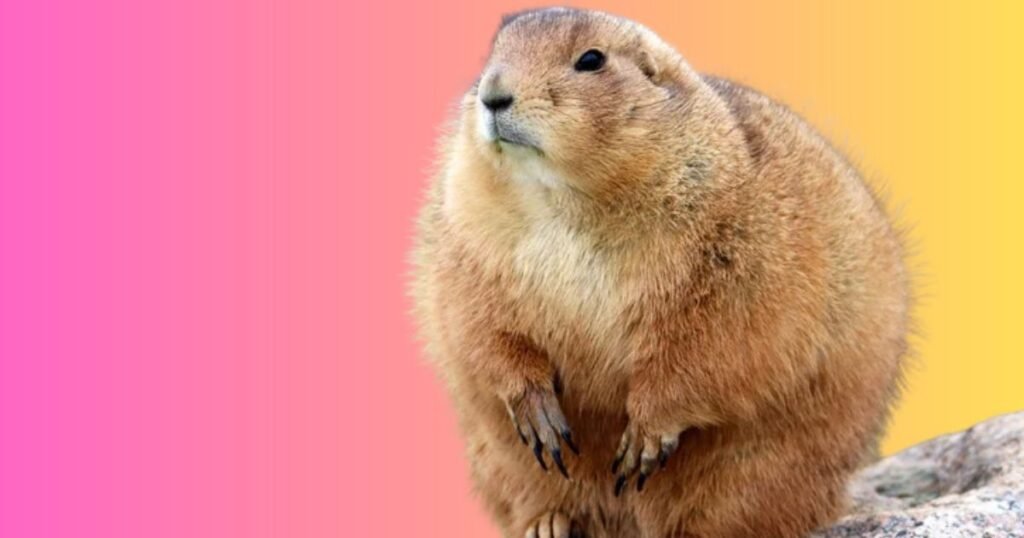
Another remarkable species is the prairie dog, which, despite its name, bears more resemblance to those larger, round-bodied animals than might be expected. Living in intricate underground cities, prairie dogs communicate through a series of barks and whistles, informing each other of nearby threats.
How to Tell Groundhogs and Their Lookalikes Apart
Body Size
Groundhogs, also known as woodchucks, typically measure around 16-26 inches long, with a stout, robust frame. In contrast, their lookalikes, like the similar-sized beaver or prairie dog, can be distinguished by their longer bodies and distinct tails. Paying attention to these subtle size variations can drastically improve your animal identification skills.
Fur Color
Groundhogs sport a versatile brown to grayish fur, often with a mix of lighter and darker shades. Look for the short, coarse texture that sets them apart from beavers, which have sleek, darker fur and a telltale flat tail. Observing fur color under different lighting conditions can provide clues; a groundhog’s coat may appear lighter at dawn or dusk as they venture out of their burrows.
Habitat Differences
While groundhogs prefer open fields, gardens, and brushy areas, beavers thrive near water bodies, building dams and lodges. Understanding these habitat preferences can help narrow down your identification, especially during seasonal migrations. Keep an eye on feeding behaviors; groundhogs munch on grasses and vegetables, while beavers are known for gnawing on tree bark.
Physical Characteristics
Groundhogs have stocky legs and a squarish head, with noticeable cheek pouches for storing food. In contrast, the rounded face and larger eyes of a prairie dog, coupled with the long, tufted tail, create a distinctive silhouette. Examining facial features closely, especially when the animals are foraging, can offer immediate identification cues.
Final Words
To wrap things up, it’s clear that groundhogs have some equally interesting relatives around the globe. Species like the capybara and the various types of squirrels show just how diverse and similar nature can be. Each of these Animals That Look Like Groundhogs plays an important role in their ecosystems, making them worth learning about.
From their appearances to their habits, these groundhog lookalikes are more than just doppelgängers; they each have their unique stories. Dive deeper into the animal world and discover more about these remarkable creatures!
FAQs
What animals look similar to groundhogs?
1. Woodchucks: Commonly mistaken for groundhogs, woodchucks are actually the same species. They both belong to the marmot family and share similar physical traits.
2. Prairie Dogs: These small, social rodents resemble groundhogs in size and features. Although they have a more extended snout, their burrowing habits make them look alike.
Is a gopher similar to a groundhog?
Yes, gophers and groundhogs are somewhat similar, but they belong to different families and have distinct characteristics. Gophers are small burrowing rodents known for their extensive tunneling systems, primarily found in North America.
What are groundhogs most closely related to?
Groundhogs, also known as woodchucks, are closely related to other members of the family Sciuridae, which includes squirrels, chipmunks, and prairie dogs.
What is bigger, a gopher or groundhog?
Groundhogs are generally bigger than gophers. An adult groundhog can weigh between 5 and 14 pounds and measure about 16 to 26 inches in length.