Animals That Sleep a Lot: 15 Fascinating Creatures That Love to Snooze
Did you know that certain animals that sleep a lot can snooze for up to 20 hours a day? It’s true! While we humans often grapple with sleep deprivation, these fascinating creatures have mastered the art of napping.
In this informational guide, we’ll delve into 15 amazing animals that relish their beauty sleep and explore the reasons why sleep is crucial in the animal kingdom. Get ready to discover some surprising insights that might make you rethink your own sleep habits!
Why Do Some Animals Sleep So Much?
Animals that sleep a lot often spark our curiosity, leading us to ponder the benefits sleep provides in the wild. For many species, extensive slumber is not just a luxury; it’s a survival strategy. Take the brown bat, for instance, which can sleep up to 20 hours a day. This prolonged rest helps them conserve energy, reducing their need to hunt frequently, especially when food sources like insects are scarce. By honing in on energy conservation, these animals maximize their chances of thriving in fluctuating environments.
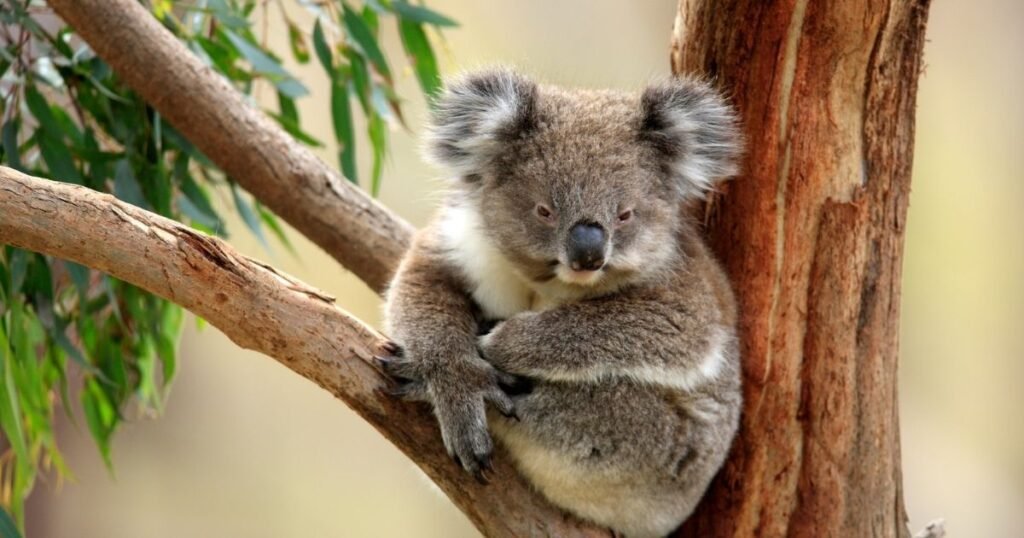
Moreover, the sleep patterns of animals that sleep a lot are intricately linked to their ecological niche. Certain herbivores, such as koalas, engage in excessive sleeping to digest their challenging diets, which consist primarily of eucalyptus leaves.
Top 5 Mammals That Sleep the Most
Below is the list of the Top 5 Mammals That Sleep the Most:
- Koala
- Little Brown Bat
- Opossum
- Giant Armadillo
- Sloth
Koala
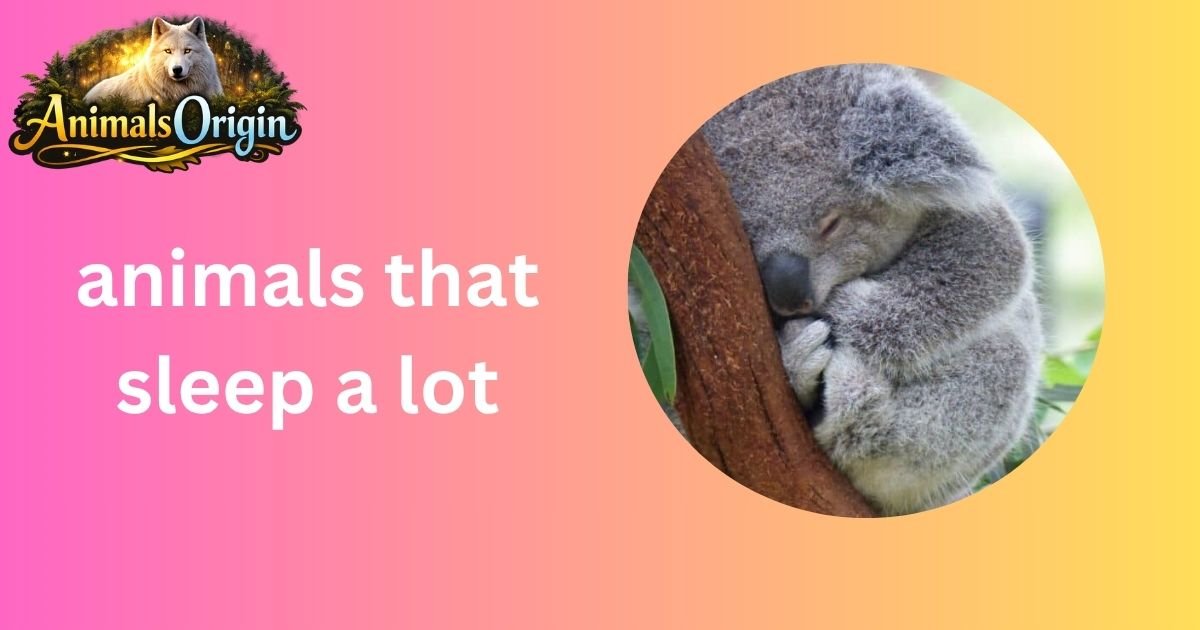
Known for their adorable faces and eucalyptus diet, koalas take the leisure of napping to another level. These marsupials can snooze between 18 to 22 hours a day, mostly due to the low nutritional content of their food, which requires them to conserve energy. It’s fascinating how their unique sleep habits not only make them experts at conserving resources but also sculpt their social behaviors!
Little Brown Bat
This unassuming mammal is a powerhouse of slumber, clocking in around 20 hours of sleep each day. These bats utilize their extensive resting periods to conserve energy for nighttime foraging. Their sleep occurs in a variety of roosting spots, often alongside large colonies, creating a communal sense of security during those extensive hours of rest.
Read more: Desert Birds: 15 Incredible Species That Thrive in Harsh Desert Environments
Opossum
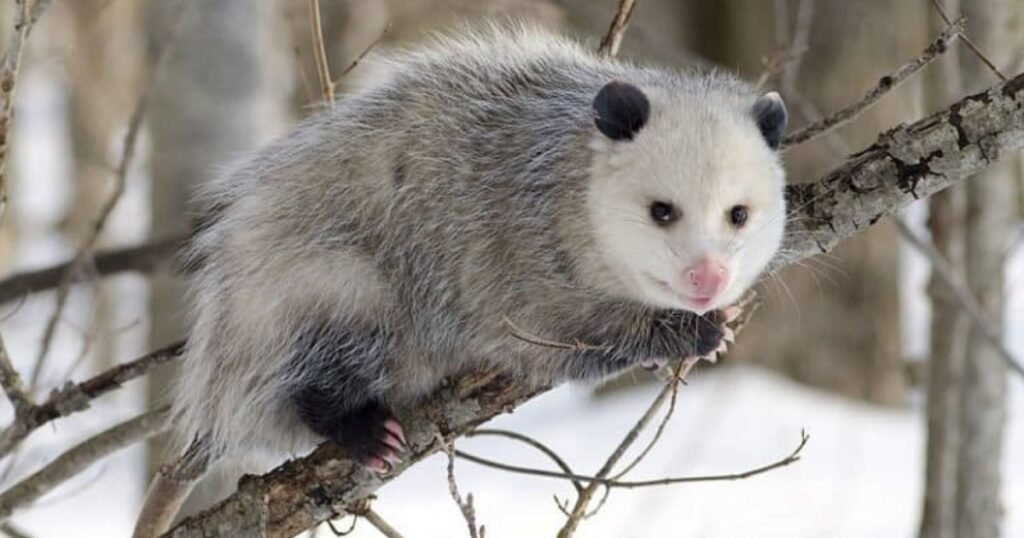
The opossum, often underestimated, is a champion napper, sleeping roughly 18 hours daily. This marsupial’s unique strategy is to manage threats; when feeling vulnerable, they can feign death while in deep slumber. Their ability to sleep so much plays a crucial role in their survival tactics, making them fascinating creatures of the night.
Giant Armadillo
Rarely seen due to their elusive nature, giant armadillos can sleep up to 19 hours a day. Burrowing into the ground provides safety and coolness, allowing them to snooze undisturbed. Their burrowing habits not only help them rest but also create habitats for other species, showcasing an unexpected ecological impact.
Sloth
Often synonymous with laziness, sloths sleep about 15 to 20 hours daily. Their slow metabolism and low-energy diet dictate this extensive resting period, but there’s a twist! Their unique lifestyle makes them essential to their environment, as they support the growth of algae and fungi on their fur, creating mini-ecosystems that thrive off their serene slumber.
Top 5 Birds Known for Long Sleeping Hours
Below is the list of the Top 5 Birds Known for Long Sleeping Hours:
- Tawny Frogmouth
- Barn Owl
- Common Poorwill
- Kakapo
- Great Horned Owl
Tawny Frogmouth
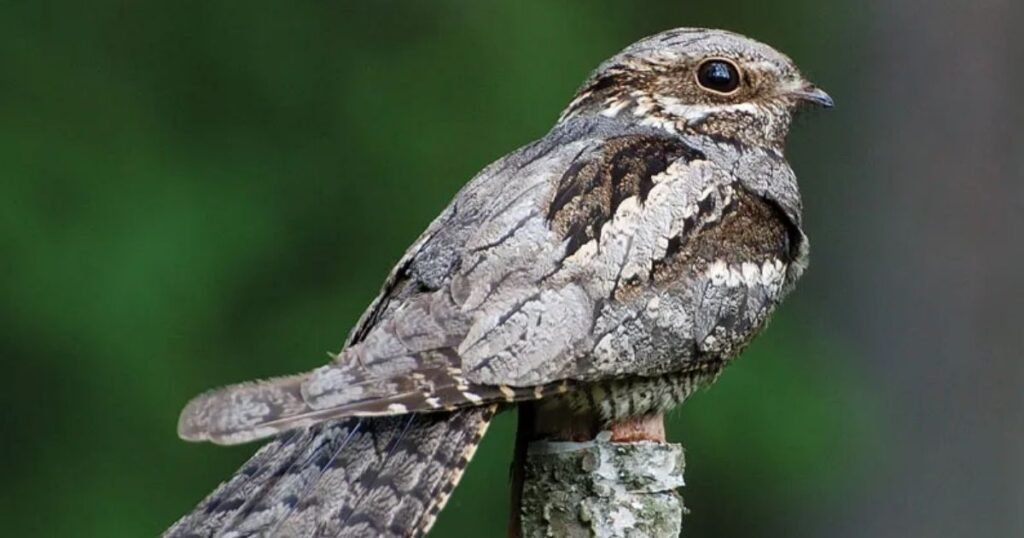
Known for its incredible adaptability, the Tawny Frogmouth can often be spotted dozing during the day, camouflaging perfectly with its surroundings. This nocturnal bird prefers long hours of rest as a strategy to conserve energy, pouncing on insects when the sun goes down. Interestingly, their large, wide mouths allow them to swallow prey whole, making those active nighttime hunts efficiently rewarding after long periods of rest.
Barn Owl
Revered for its haunting calls and ghostly appearance, the Barn Owl is a master of sleep, often reaching up to 18 hours of slumber daily. Their sleep patterns are crucial for maintaining the sharpness of their hearing, which is essential for locating prey in total darkness. By resting deeply during the day, they are fully charged for their nightly hunts, using their incredible sense of sound to navigate and capture rodents with striking precision.
Common Poorwill
Unique among birds, the Common Poorwill breaks the mold with its hibernation-like state during harsh weather or food scarcity. This extraordinary adaptation can extend its sleeping hours significantly, sometimes entering torpor for a month or more. This ability not only helps it survive extreme conditions but also speaks to the remarkable resilience of avian life in the face of adversity.
Kakapo
The world’s only flightless parrot, the Kakapo, spends a sizable portion of its life in deep slumber, averaging around 20 hours of sleep per day. This uniquely nocturnal bird’s lifestyle reflects a gentle pace of life, allowing it to conserve energy in its efforts to reproduce in a dwindling population. Resting for long hours not only aids in survival but also plays a crucial role in their social interactions, as they emit soft calls during twilight hours.
Great Horned Owl
This powerful predator is known for its regal presence and unmistakable tufts. While it may dominate the nighttime sky, the Great Horned Owl often indulges in lengthy daytime naps, regaining strength for its active hunts. With a keen sense of timing, these owls balance sleep with vigilance, ensuring they remain top hunters. Their two-colored eyes, adapted for low light, make every slumbering moment count in honing their otherworldly prowess just before dusk descends.
Top 5 Reptiles and Amphibians That Spend Much of Their Time Resting
Below is the list of the Top 5 Reptiles and Amphibians That Spend Much of Their Time Resting:
- Leopard Gecko
- Ball Python
- Green Iguana
- African Bullfrog
- Tiger Salamander
Leopard Gecko
Known for their vibrant colors and fascinating patterns, Leopard Geckos are not just cute; they’re masters of relaxation. In their native habitats, these nocturnal reptiles are often found basking under the moonlight, using their unique ability to absorb ambient warmth. Their resting habits enable them to conserve energy, making it easier to hunt insects when nighttime falls.
Ball Python
This fascinating constrictor is an expert at the art of stillness. Ball Pythons often curl up in tight coils during the day, blending seamlessly with their surroundings. This behavior not only helps them conserve heat but also serves as a protective mechanism against predators. Their languid lifestyle allows them to maintain a slow metabolism, a key to their remarkable longevity.
Green Iguana
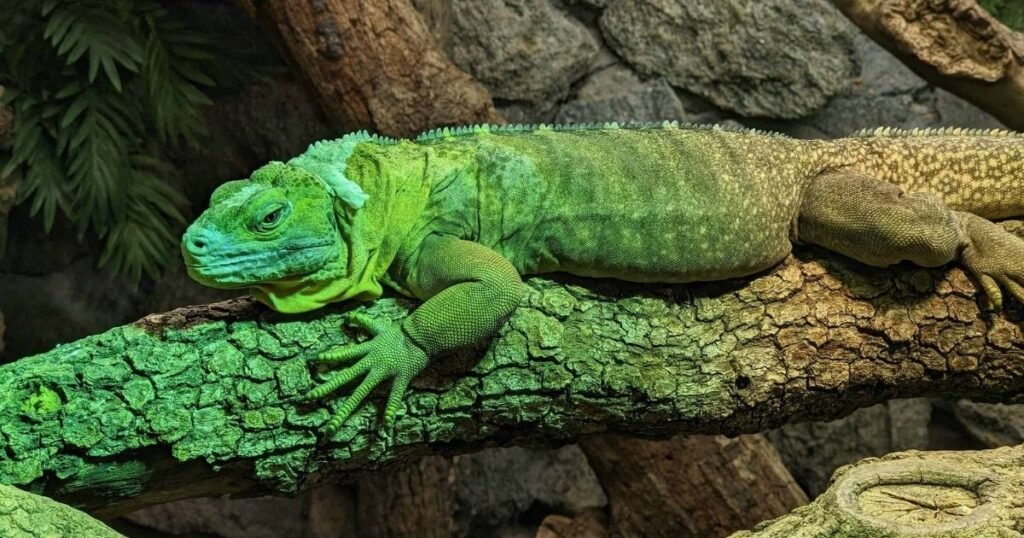
The majestic Green Iguana spends much of its day lounging in trees, soaking up sunlight to fuel its impressive metabolism. These reptiles may appear lazy, but their sunbathing habits are vital for digestion and overall health, highlighting their dependency on environmental warmth. When they do venture down from their high perches, it’s often to forage leisurely for leaves and fruits, embodying the epitome of a chill lifestyle.
African Bullfrog
While many frogs are known for their high energy, the African Bullfrog takes a different approach. During the dry season, these hefty amphibians burrow into the ground and enter a state of dormancy, conserving moisture and energy. When rain returns, they burst forth, but until then, their extended rest serves as a clever survival tactic in challenging environments.
Tiger Salamander
These striking amphibians have a unique resting strategy that aligns with their burrowing habits. Often found in underground habitats, Tiger Salamanders live a largely sedentary life, hiding from harsh weather conditions. Their prolonged periods of inactivity ensure they remain moisture-rich and avoid drying out, showcasing the balance between rest and survival in their bustling ecosystems.
How Does Sleep Help Animals Survive in the Wild?
Sleep serves as an essential survival mechanism for animals in the wild, providing both restorative benefits and strategic advantages.Which animal sleeps the most, like the brown bat, which sleeps the most, can snooze for up to 20 hours a day, this extensive rest allows them to conserve energy, particularly when food sources are scarce. The downtime helps animals process information and strengthen memories, enabling more effective hunting or foraging when they awaken.
Additionally, sleep plays a vital role in safety and adaptability. Many predators, such as lions, use slumber to recharge for their nocturnal hunts, while prey animals like deer stay alert and manage their sleep schedules around potential threats.
Final Words
In conclusion, exploring the fascinating world of animals that sleep a lot reveals just how vital rest is for survival and overall well-being in the animal kingdom. From the slumbering sloths to the peaceful pandas, these creatures remind us that sleep is not just a luxury but a necessity.
Their unique sleeping habits highlight the diversity of life on our planet and the different strategies animals employ to thrive in their environments. As we marvel at these sleepy beings, it’s important to appreciate the balance they maintain in nature. So, take a moment to embrace your own need for rest and find joy in those peaceful moments of slumber.
FAQ’S
Which animal is known for sleeping a lot?
The animal famous for sleeping a lot is the koala. These adorable marsupials can sleep up to 18-22 hours a day.
What animal sleeps 90% of their life?
The animal that famously sleeps around 90% of its life is the koala. These adorable marsupials spend most of their time snoozing in trees. Their diet of eucalyptus leaves is low in nutrients, forcing them to conserve energy by sleeping for long periods.