
Fox-Like Animals: 5 Fascinating Creatures That Resemble Foxes
Fox-like animals are often overshadowed by their more famous cousin, the fox, yet they display an astonishing variety and charm that deserve our attention. These intriguing creatures share striking similarities with foxes in appearance and behavior but possess unique traits and adaptations that set them apart.
In this article, we’ll uncover five of these captivating species, showcasing their diversity and the ecological roles they play. By exploring these remarkable animals, you’ll gain a deeper appreciation for the world of wildlife.
What Makes Some Animals Look Like Foxes?
The world boasts a fascinating array of fox-like animals that often mystify observers with their striking resemblances to true foxes. This resemblance isn’t coincidental; it often stems from convergent evolution, where unrelated species evolve similar traits due to adapting to comparable environments or lifestyles. For instance, the fennec fox, with its oversized ears and sandy fur, shares similarities with other desert dwellers like the kit fox. These adaptations enhance their survival in harsh climates, showcasing nature’s ingenuity.
Moreover, fox-like animals often exhibit behaviors and characteristics that mirror those of true foxes. The gray fox, while genetically distinct, displays cunning hunting skills and social behaviors that echo the agility and cleverness we associate with red foxes.
Physical Traits Shared by Fox-Like Animals
Fox-like animals share an intriguing array of physical traits that not only enhance their adaptability but also contribute to their charm. One of the most striking features is their elongated snouts, perfectly designed for capturing scents in the wild.
This keen sense of smell allows these creatures to navigate their environments with precision, whether they’re hunting for food or evading predators. Their bushy tails, a common characteristic, serve multiple purposes: they aid in balance while navigating tricky terrains and act as warm blankets during rest in cold climates.
Top 5 Fox-Like Animals Found in Different Parts of the World
Below is the list of the top 5 fox-like animals found in different parts of the world
- Maned Wolf
- Fennec Fox
- Bat-Eared Fox
- Raccoon Dog
- Corsac Fox
Maned Wolf
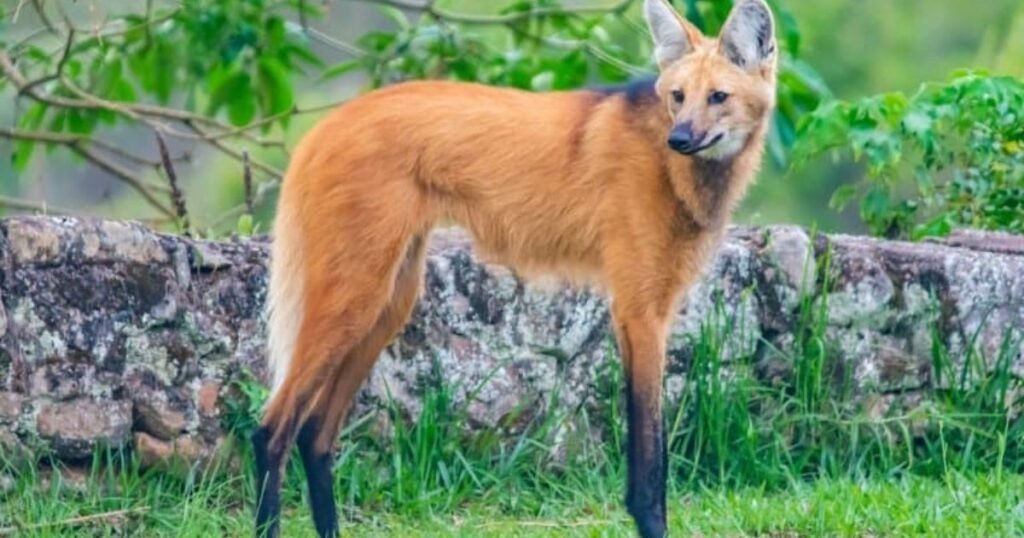
Originating from the grasslands of South America, the Maned Wolf stands out with its long legs and unique mane. Unlike its smaller relatives, this striking creature possesses a distinctive voice, often likened to a mix of a howl and a bark. Its diet is equally fascinating, comprising mainly fruits and small animals, showcasing its adaptability in diverse ecosystems.
Fennec Fox
Found in the arid Sahara desert, the Fennec Fox is instantly recognizable by its oversized ears. These remarkable appendages not only help regulate body temperature but also grant an acute sense of hearing, allowing it to detect prey even underground. As nocturnal hunters, they thrive in extreme environments, relying on their resourcefulness and keen survival skills to navigate the harsh climate.
Also read more:Animals With Quills: 10 Fascinating Creatures Protected by Nature’s Sharp Defense
Bat-Eared Fox
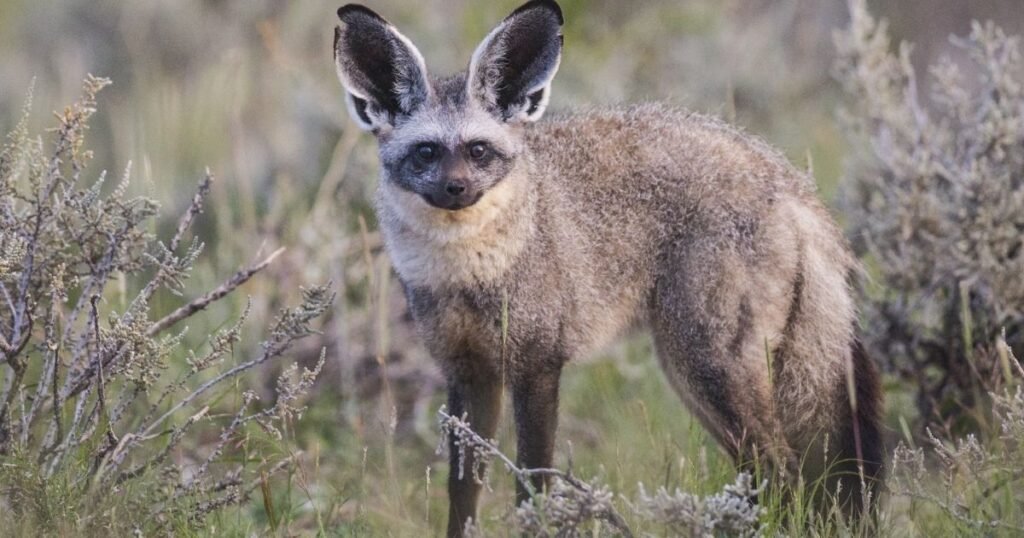
Inhabiting the open savannas of East and southern Africa, the Bat-Eared Fox is a social creature often seen in small family groups. Its oversized ears serve multiple purposes, from cooling the body to locating underground insect larvae. With an impressive diet primarily consisting of termites and other insects, this fox demonstrates how specialized adaptations can lead to successful survival in a competitive landscape.
Raccoon Dog
Native to East Asia, the Raccoon Dog is a peculiar member of the canid family, closely resembling a raccoon with its masked face and bushy tail. This adaptable omnivore can thrive in various environments, from forests to urban areas, showcasing an unusual blend of canine characteristics and raccoon-like habits. Its unique breeding strategies, including seasonal monogamy, offer a fascinating glimpse into its social structure.
Corsac Fox
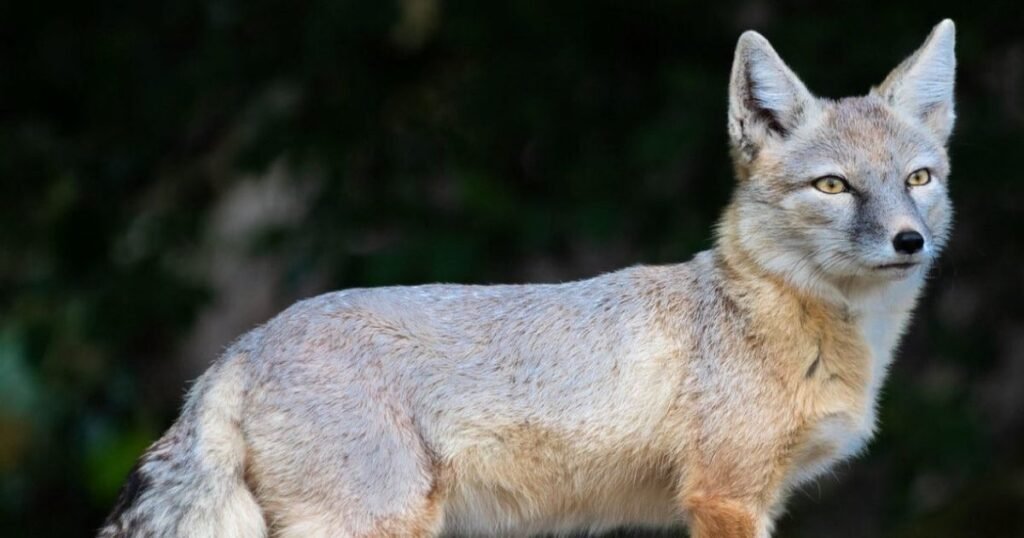
The Corsac Fox roams the steppes of Central Asia, characterized by its long, slender body and bushy tail. Adapted to life in open habitats, it employs clever hunting techniques to catch birds and small mammals, primarily at dawn or dusk. This fox’s adaptability extends to its social behavior, as it can thrive alone or in small family units, highlighting its versatility in the wild.
How Fox-Like Animals Adapt to Their Environments
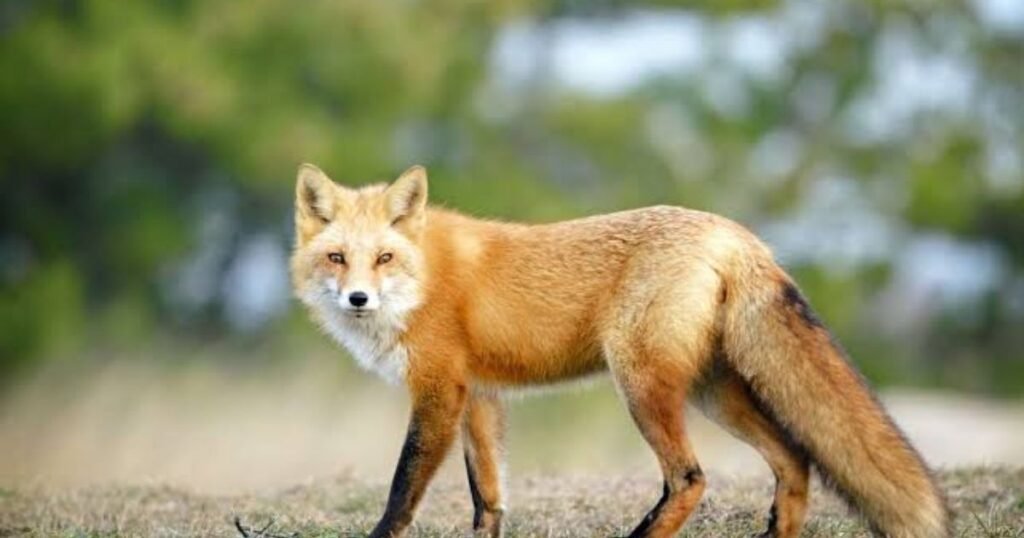
Fox-like animals showcase remarkable adaptability, often changing their behaviors and physical traits to thrive in diverse environments. Take the red fox, for instance, which demonstrates a keen ability to live alongside humans, seamlessly navigating urban landscapes while maintaining its wild instincts. This adaptability isn’t merely about survival; it reflects an intricate relationship with their surroundings, using clever tactics to hunt and evade threats.
Differences Between True Foxes and Fox-Like Species
True foxes and fox-like animals may share a similar appearance, but their behaviors and habitats reveal significant differences. True foxes, belonging to the Vulpes genus, are known for their adaptability and cunning hunting strategies, often found in diverse environments ranging from urban areas to dense forests. In contrast, fox-like animals, such as the fennec or the Arctic fox, might share physical traits but vary greatly in their ecological roles and specialized adaptations.
For instance, the fennec fox is characterized by its oversized ears, which serve not only for hearing but also for thermoregulation in hot desert climates. On the other hand, the Arctic fox boasts a thick, warm coat that changes color with the seasons, showcasing nature’s incredible ability to adapt to extreme conditions.
Interesting Facts About Animals That Resemble Foxes
Among the fascinating *fox-like animals*, the fennec fox stands out with its oversized ears, which can be nearly half the length of its body. These impressive appendages not only enhance hearing but also help regulate body temperature in the scorching Sahara Desert. This adaptation showcases the creature’s remarkable ability to thrive in extreme environments, making it a true marvel of nature.
Another intriguing member of the *fox-like animals* family is the raccoon dog, native to East Asia. Unlike other canids, raccoon dogs are unique in their ability to climb trees, a skill they have developed to forage for food and escape predators.
Final Words
In exploring the captivating world of fox-like animals, we’ve introduced you to five fascinating creatures that beautifully mimic the charm and allure of true foxes. Each of these animals, from the agile fennec to the distinctive Arctic fox, showcases unique traits that enchant nature lovers and wildlife enthusiasts alike.
Their shared characteristics highlight the remarkable diversity of the animal kingdom and the adaptations that help them thrive in various habitats. By appreciating these fox-like creatures, we gain a deeper understanding of their ecosystems and the importance of conservation efforts. Embrace the beauty of nature by learning more about these wonderful animals and how we can protect their habitats.
FAQs
What is an Animal that looks like a Fox?
One animal that resembles a fox is the *fennec fox*. This small, nocturnal creature hails from the Sahara Desert and features large ears, a slender body, and a bushy tail, similar to its more common relatives. Its distinctive traits, like a sandy coat, help it blend into the desert environment, making it an interesting example of convergent evolution.
What Animal looks like a Fox but isn’t?
One animal that resembles a fox but isn’t one is the mangrove fox, also known as the bush dog. While they share some physical traits, such as a slender body and pointed snout, bush dogs are actually more closely related to canines like wolves and domestic dogs. They typically inhabit tropical forests and mangroves in Central and South America.
What is a Fox’s Worst Enemy?
A fox’s worst enemy varies depending on its environment, but humans are often at the top of the list. Habitat destruction, hunting, and vehicle collisions all pose significant threats. Urbanization pushes foxes into smaller territories, increasing their chances of coming into conflict with people.