Animals That Hunt Humans: 15 Dangerous Predators
From lurking in the jungle’s shadows to stalking the ocean’s depths, these predators have captivated our imaginations and instilled fear throughout history. Did you know that, despite our position at the top of the food chain, we share our planet with animals that hunt humans?
Understanding these dangerous creatures isn’t just curiosity; it’s essential to staying safe in the wild. Now, we’ll explore 15 of the most notorious animals that pose a threat to humans, shedding light on their behaviors and the circumstances that lead to potential encounters.
Which Animals Hunt Humans in the Wild?
In the shadowy realms of the wild, animals that hunt humans elicit both fear and fascination. Predators like large crocodiles and lions have developed a notorious reputation for occasionally targeting humans, often blurring the line between instinct and opportunism. These creatures typically see us as potential prey when their natural food sources become scarce or when they feel threatened in their territory.
Interestingly, context plays a crucial role in these rare encounters. For instance, a tiger that wanders into a populated area may not be actively hunting humans but is simply adapting to changes in its environment, driven by habitat loss and human encroachment.
15 Animals That Hunt Humans
Below is the list of animals that hunt humans.
- Lions
- Tigers
- Leopards
- Jaguars
- Polar Bears
- Brown Bears
- Nile Crocodiles
- Saltwater Crocodiles
- Great White Sharks
- Bull Sharks
- Wolves
- Spotted Hyenas
- Komodo Dragons
- Pythons
- Cougars
Lions
Often called the kings of the jungle, these social predators may hunt humans when their natural prey is scarce, showcasing their adaptability. Encounters with lions, especially near human settlements, can lead to tragic consequences.

Tigers
Known for their stealth, tigers can turn to hunting humans when the usual wildlife is depleted, particularly in areas where they are forced closer to human habitation. Their striking stripes provide both beauty and a terrifyingly effective camouflage in the dense jungles.
Leopards and Jaguars
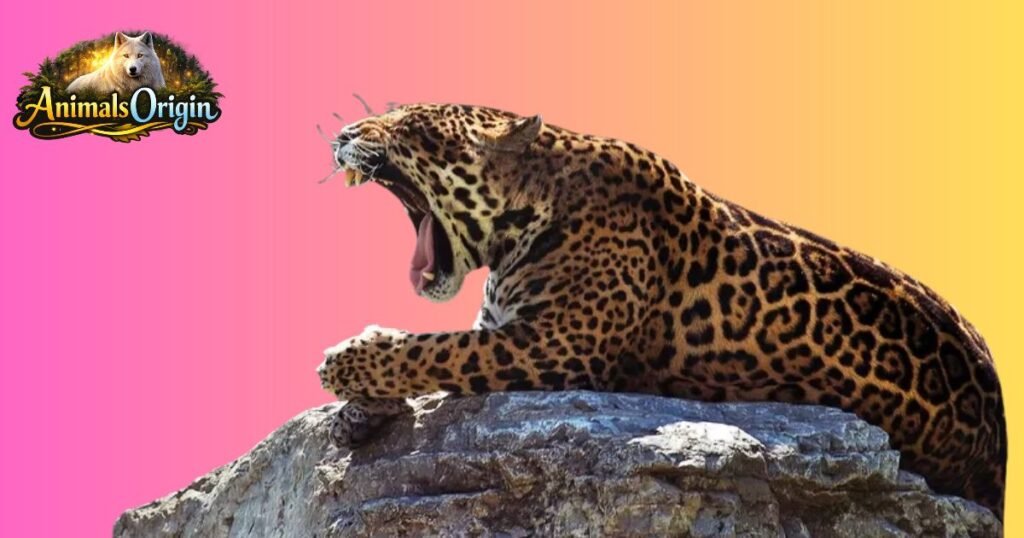
Both elusive big cats have been known to stalk humans, especially in remote areas where they share territory. Leopards, with their incredible climbing skills, sometimes drag their prey into trees for safekeeping, raising the stakes for anyone wandering too close.
Polar Bears
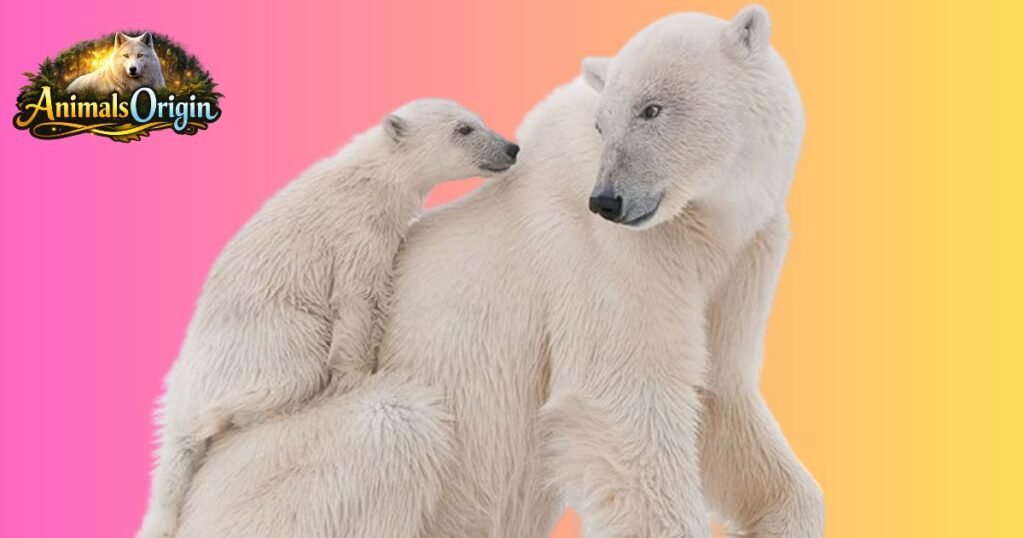
In the frozen Arctic, these massive carnivores face dwindling sea ice and hunting grounds, leading to the rare but deadly encounters with humans. Adapted to hunt seals, their powerful physiques make them formidable when food sources run low.
Brown Bears
Equipped with immense strength and keen senses, brown bears can become aggressive when protecting their territory or cubs. While typically scavengers, their omnivorous diet includes whatever they can catch, including the occasional human.
Nile Crocodiles
Masters of ambush, these reptiles lurk in the waters, waiting for any unsuspecting prey. Their powerful jaws and swift attacks can turn peaceful riverbanks into scenes of horror, particularly in regions where humans encroach into their territory.
While these animals typically avoid human interactions, changing environments and shrinking habitats can provoke unforeseen encounters. Understanding their behavior and respecting their homes is crucial for coexistence.
Saltwater Crocodiles
These apex predators, often lurking in murky waters, are renowned for their stealth. With powerful jaws and a powerful tail, they can ambush unsuspecting victims, making them one of the deadliest hunters on the planet.

Great White Sharks
Often feared for their size and predatory instincts, Great Whites are notorious for breaching the surface in spectacular hunting displays. Their keen sense of smell allows them to detect blood from miles away, making them relentless in pursuit.
Bull Sharks
Adaptable to both salt and fresh water, Bull Sharks are aggressive and often venture inland. This adaptability increases human encounters, especially in rivers or estuaries where they prey on unsuspecting swimmers.
Grassland Animals: 20 Amazing Wildlife of the World’s Open Plains
Wolves
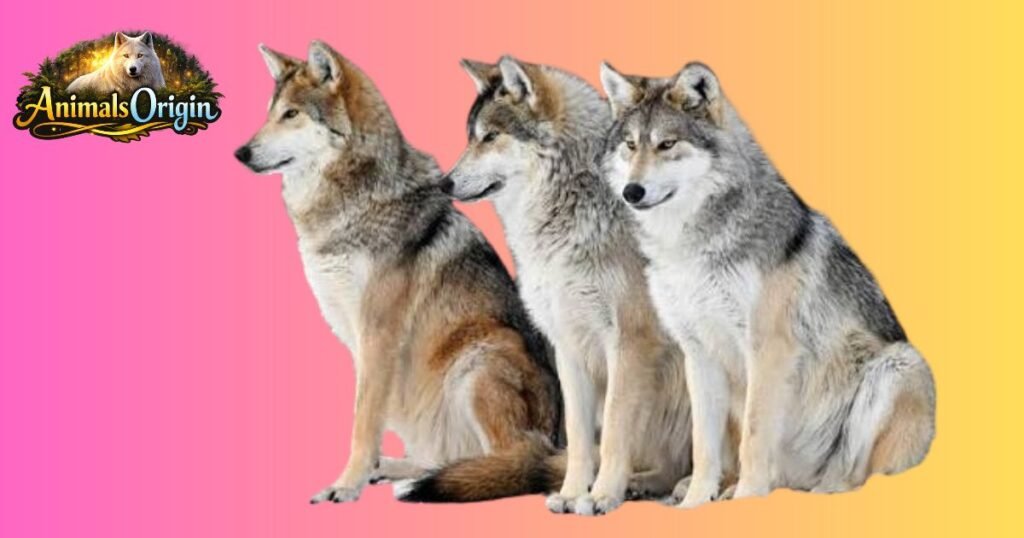
Though primarily scavengers, wolves list humans as potential prey when food is scarce. Their pack behavior and intelligence allow them to strategize hunts, making them formidable in remote areas.
Spotted Hyenas
With complex social structures and strong hunting prowess, Spotted Hyenas have been known to target humans, particularly in regions where they scavenge for food. Their incredible stamina and bite force make them particularly dangerous.
Komodo Dragons
These giant lizards have a fearsome reputation with their venomous bite, which can lead to infection after an initial attack. Their solitary hunting techniques allow them to stalk both prey and intruding humans alike.
Pythons
Capable of constricting their prey, Pythons have attacked humans when they perceive them as threats. These stealthy ambush predators are expert at blending into their environments, making them lethal stalkers.
Cougars
Also known as mountain lions, Cougars are stealthy hunters whose territorial nature sometimes brings them into contact with humans. Their incredible agility and strength enable them to surprise unsuspecting hikers and campers.
Reasons Animals Hunt Humans
The relationship between humans and the animal kingdom is often one of fascination, and sometimes fear. Animals that prey on humans typically do so out of instinctual behaviors shaped by their environments. For instance, predators that hunt humans, like great white sharks and large felines, may misidentify us as their natural prey during a moment of curiosity. Understanding this perspective reveals a crucial point: many attacks are not premeditated; they stem from a survival instinct driven by hunger or territoriality.

Additionally, as humans encroach on natural habitats, we inadvertently provoke animals dangerous to humans. Species such as crocodiles and bears may see us as threats or intruders, leading to behaviors that can escalate into attacks.
Safety Tips for Avoiding Dangerous Predators
When venturing into the wild, it’s vital to understand the animals that see humans as prey. Many wild animals that kill humans do so out of instinct or territorial defense. Familiarizing yourself with their behavior can be your first line of defense. For example, large predators such as bears and big cats exhibit warning signs when threatened; recognizing these cues and backing away can prevent a potentially dangerous encounter.
Further, it’s essential to be aware of the biggest predators of humans in different regions. In some areas, sharks and crocodiles pose significant risks, while in others, larger land mammals might be your concern. Staying informed about their habitats and feeding behaviors enables you to plan safer routes during outdoor activities.
Final Words
Animals that hunt humans and have been known to be dangerous predators, often blurring the lines between instinct and curiosity. Understanding these animals, from the impressive great white shark to the stealthy African lion, is vital for ensuring our safety while respecting their place in the ecosystem.
While many of these encounters are rare, they remind us of the wild’s unpredictability and the importance of maintaining a healthy distance from these formidable hunters. Awareness and education about such encounters can help us coexist with these magnificent creatures. So, stay informed, stay safe, and remember to appreciate the wonders of our natural world.
FAQs
Which Wild Animal Killed Most Humans?
The wild animal that kills the most humans is often considered to be the mosquito. While they may seem harmless, these tiny insects are responsible for transmitting deadly diseases like malaria, dengue fever, and Zika virus. Each year, mosquitoes are estimated to kill millions of people through the illnesses they spread.
What Are The Four Animals That Hunt Humans?
While many animals might pose a threat to humans, four species are often highlighted for their hunting behavior:
1. Lions: As apex predators, lions are known to occasionally target humans, especially in regions where their natural prey is scarce. When humans encroach on their territory, encounters can become dangerous.
2. Crocodiles: These reptiles are ambush hunters and have been known to attack humans in water bodies. Their powerful jaws and stealth make them formidable predators.
3. Sharks: While most shark species aren’t aggressive towards humans, certain species, like the great white and tiger shark, have been known to attack, often mistaking people for their typical prey.
4. Bears: Species like grizzly and polar bears can be dangerous if surprised or if their cubs are threatened. They are opportunistic feeders and may attack if they feel their territory is invaded.
What Animals Attempt to Mate With Humans?
While it’s not common, there have been occasional reports of animals attempting to mate with humans, primarily driven by instinct or unusual circumstances.
Most often, male animals might show aggression or sexual behavior toward humans when they feel threatened or are exhibiting territorial behavior. This is particularly noted in some large mammals like dogs and primates.