Big-Nosed Animals: Fascinating Creatures With Remarkable Snouts
Did you know that some animals use their oversized noses not just for breathing, but as extraordinary tools for survival? By exploring their diverse functions and intriguing behaviors, you’ll discover the animal kingdom’s creativity.
Here, we delve into big-nosed animals, uncovering the unique adaptations that these fascinating creatures possess. From the mighty elephant to the quirky tapir, these remarkable snouts play a critical role in their ecosystems.
Why Do Some Animals Have Big Noses?
In the animal kingdom, Big-Nosed Animals often stand out, captivating our imagination and raising questions about their evolutionary roles. One fascinating aspect is thermoregulation; larger noses allow species like the Arabian oryx.
The intricate structure of their nasal passages helps cool the air before it reaches the lungs, showcasing a remarkable adaptation to harsh environments. But it’s not just about temperature control. Many animals with big noses, like elephants, utilize their impressive appendages for sophisticated social interactions.
Animals With Big Noses and Their Unique Features
Below is a list of animals with big noses.
- Elephant
- Tapir
- Proboscis Monkey
- Saiga Antelope
- Star-Nosed Mole
- Elephant Shrew
- Aardvark
- Malayan Flying Fox
- Long-Nosed Bandicoot
- Sword-Nosed Bat
Elephants
The unmistakable trunk of the elephant is not just an impressive nose; it’s a multifunctional tool used for feeding, drinking, social interactions, and even bathing. With over 40,000 muscles, it showcases remarkable dexterity, allowing these gentle giants to pick up a single blade of grass or lift heavy logs.
Tapirs
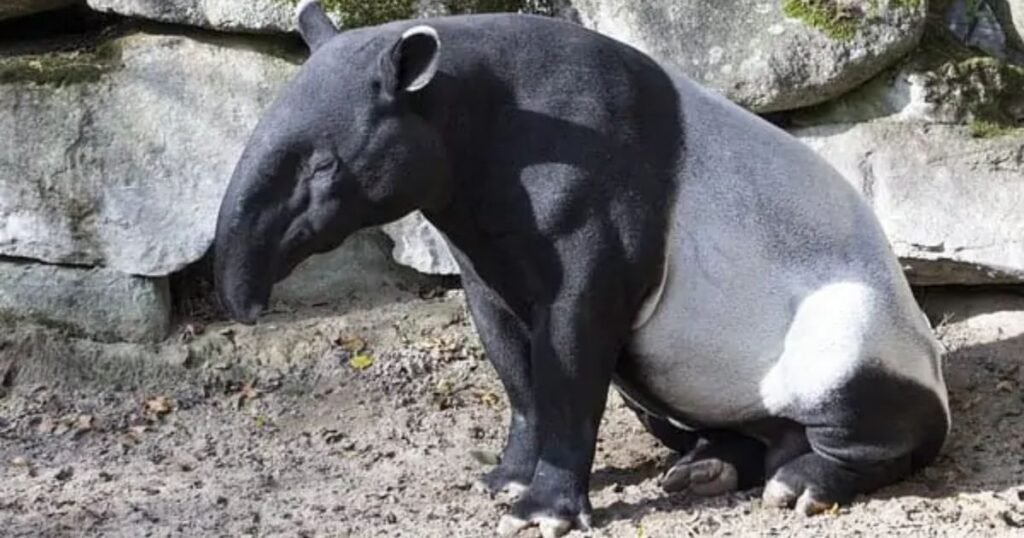
These quirky creatures sport a short, prehensile snout that is crucial for foraging in dense forests. With their ability to grasp foliage, tapirs can navigate through their habitats, munching on a variety of fruits and leaves that are often out of reach for others.
Proboscis Monkeys
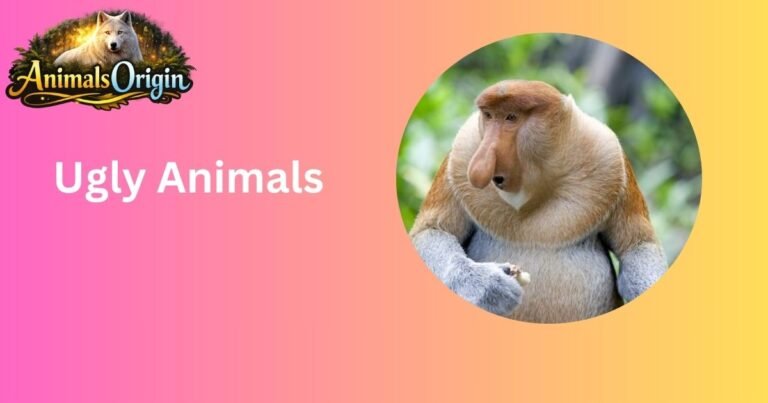
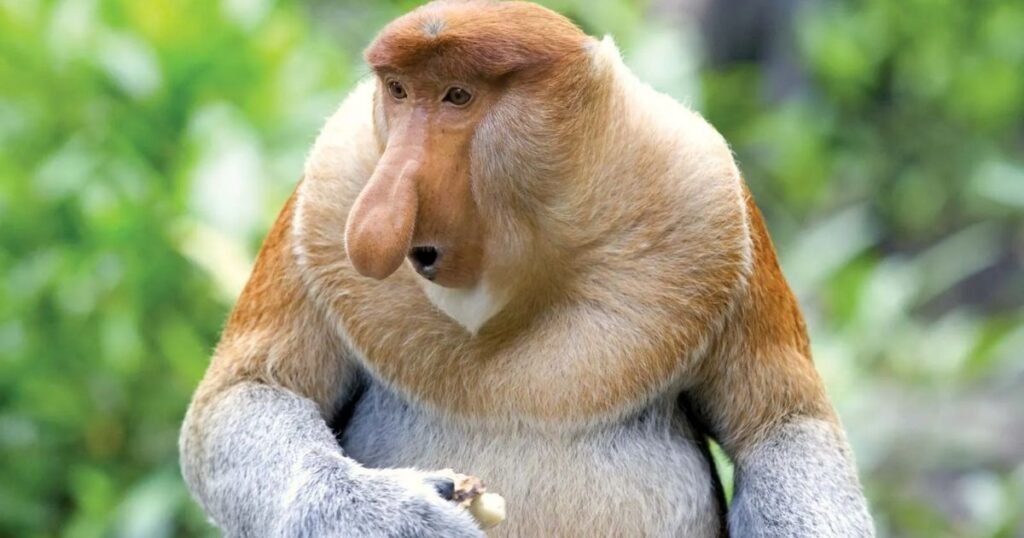
Known for their exaggerated noses, male proboscis monkeys utilize this unique feature to attract mates. The size of their nose is a visual indicator of their health and genetic fitness, making it a crucial part of their reproductive success.
Saiga Antelope
The distinctive, bulbous nose of the saiga antelope is not merely for show; it serves as a respiratory filter, helping to warm the cold air of their steppe habitats and expel dust. This adaptation showcases an extraordinary evolutionary response to environmental challenges.
Star-Nosed Mole
This subterranean marvel has a nose adorned with 22 fleshy tentacles that enhance its tactile abilities. These sensitive appendages allow the mole to navigate and forage for prey in total darkness, proving that not all big noses are about size; some are about sensory prowess.
Also read more: Ugly Animals: Beauty Isn’t Everything
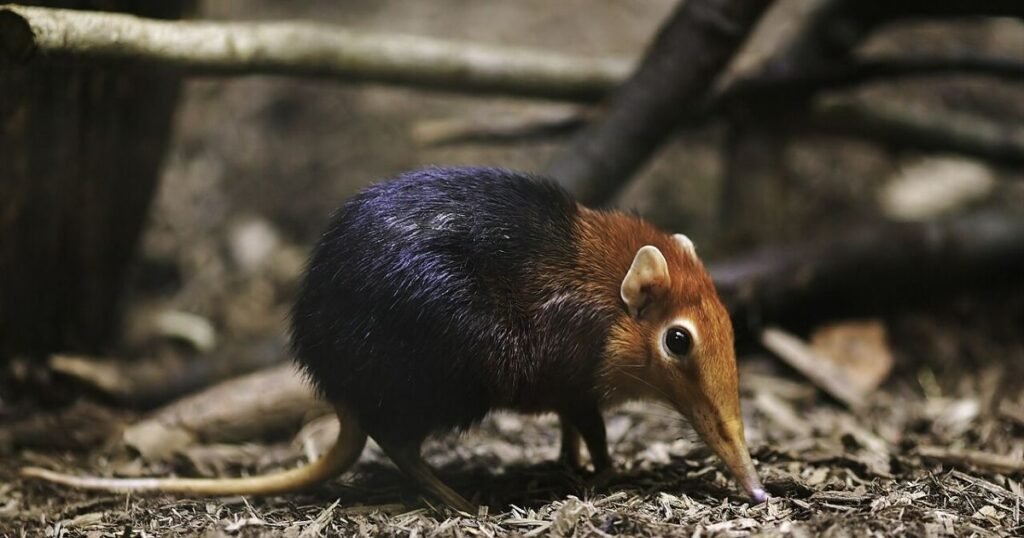
Elephant Shrew
Despite its name, the elephant shrew’s long snout is more akin to that of a small insectivore. This unique adaptation aids in foraging, allowing it to sniff out insects and other food sources effectively.
Aardvark
With a long, pig-like snout, the aardvark excels in sniffing out ants and termites. Its nose is an evolutionary highlight that helps it locate underground nests, making it one of nature’s expert diggers.
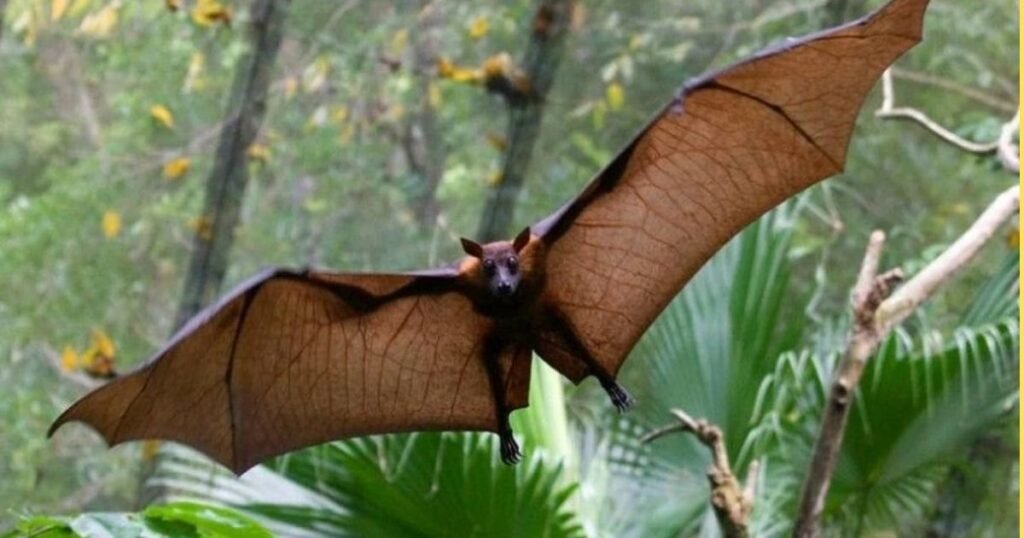
Malayan Flying Fox
This bat species boasts an impressive nose leaf, which aids in echolocation and adds to its distinctive appearance. This feature not only helps it navigate at night but also plays a role in social interactions within colonies.
Long-Nosed Bandicoot
Equipped with a snout that helps it access insect-rich soil, the long-nosed bandicoot is an adept forager. Its nose is specifically designed to exploit underground food sources, highlighting the diverse functions noses can have across species.
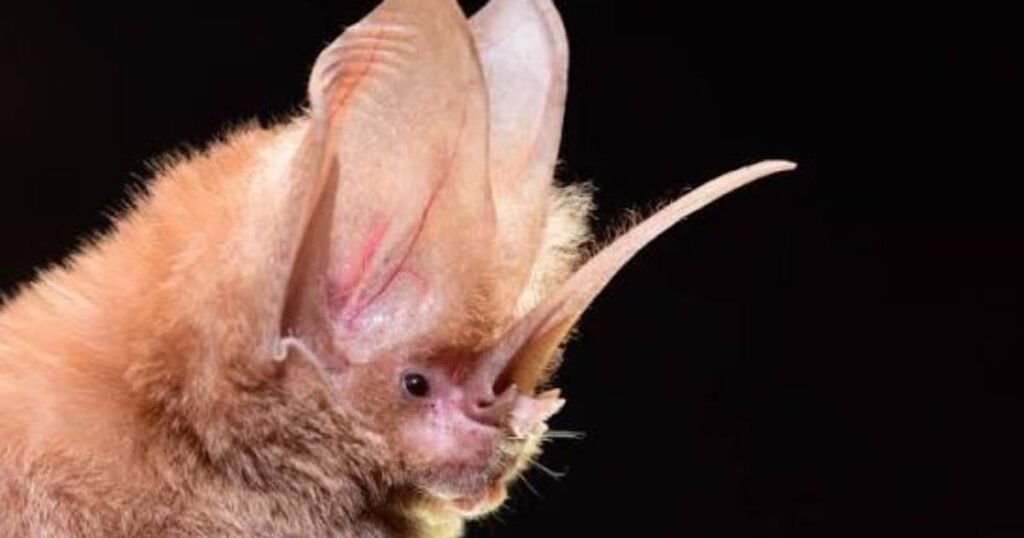
Sword-Nosed Bat
This bat has a unique, elongated nose that supports its foraging strategy. By producing ultrasonic calls that bounce off prey, the sword-nosed bat demonstrates the incredible adaptability of animal noses in evolutionary terms.
The Most Famous Animals With Big Noses
When you think of animals with long noses, the first that might come to mind is the majestic elephant. These gentle giants showcase the longest noses in the animal kingdom, known as trunks. Trunks aren’t only used for drinking and feeding; they also show remarkable dexterity, allowing elephants to perform delicate tasks like picking up a single blade of grass. Their big, functional noses are a captivating testament to evolution’s ingenuity.
Another fascinating creature with a notably big nose is the tapir. Often overlooked, these relatives of the horse and rhinoceros sport a distinctive snout that aids in foraging for fruits and leaves in dense jungles. The tapir’s long nose is not just a striking feature; it enables them to navigate challenging terrain with a surprising grace.
How Big Noses Help Animals Survive
In the wild, animals with long noses like elephants and anteaters showcase an impressive adaptation that enhances their survival. For instance, elephants use their big noses to pick up scents from miles away, helping them locate water sources or detect predators. This olfactory prowess not only aids in navigation but also strengthens their social bonds by allowing them to recognize friends and family from afar.
Similarly, the animal’s long-nose adaptations extend to feeding habits. The anteater’s elongated snout allows it to reach into tight crevices to feast on ants and termites, providing a unique niche in its ecosystem.
Amazing Facts About Animals With Big Noses
In the wild realm of big-nosed animals, the tapir stands out with its unique long nose, which serves as an essential tool for foraging. This fascinating animal with a long nose uses its trunk-like snout to reach fruits and leaves that are otherwise out of reach, showcasing an incredible adaptation to its rainforest habitat. Interestingly, tapirs also possess a keen sense of smell, helping them to locate food and detect predators, transforming their nose into an essential survival tool.
Another intriguing member of the big-nosed animals family is the elephant. Renowned for their impressive trunks, these gentle giants utilize their long noses not just for eating and drinking, but also for social interactions and communication.
Final Words
In summary, Big-Nosed Animals captivate our imagination and offer a glimpse into the diverse adaptations of nature. From the trunk of an elephant to the unique snout of the axolotl, these remarkable creatures demonstrate how important a nose can be for survival and interaction in their environments.
Their distinctive features not only serve practical purposes but also showcase the incredible creativity of evolution. By understanding and appreciating these fascinating animals, we gain insight into the intricate balance of ecosystems and the roles each species plays. So, the next time you spot one of these remarkable snouts, take a moment to marvel at the wonders of nature.
FAQs
What is the Animal with a Big Nose Called?
The animal famously known for its big nose is the elephant. Elephants have long trunks that function as noses, allowing them to breathe, smell, and grab objects. Their trunks are incredibly versatile, helping them to eat, drink, and communicate.
Which Animal has the Largest Nose?
The animal with the largest nose is the sperm whale. Its nose, or “melon,” is unique, containing a waxy substance that helps with echolocation. An adult sperm whale’s nose can measure up to 10 feet long, making it quite a standout in the animal kingdom.
What Are Big Noses Called?
Big noses don’t have a specific term, but people often refer to them in a variety of ways, depending on context. Terms like “aquiline” or “Roman” describe a nose with a prominent bridge, while “hooked” can indicate a more curved shape. In casual conversation, people might simply say “larger nose” or use playful nicknames.