Asexual Animals: 5 Fascinating Creatures That Reproduce Without Mating
Asexual animals challenge our traditional understanding of reproduction, showcasing nature’s incredible diversity. These fascinating creatures, such as certain species of worms and starfish, manage to thrive without the need for mates, a concept that might seem alien to many.
Exploring the world of asexual reproduction reveals not only the ingenuity of these animals but also important implications for evolutionary biology and environmental adaptability. By diving into this topic, you’ll uncover how these unique forms of life continue to captivate scientists and enrich our understanding of the natural world.
How Do Asexual Animals Reproduce Without Mating?
Asexual animals showcase nature’s incredible adaptability, thriving without conventional mating rituals. These fascinating creatures often employ a method called budding, where a new individual grows directly from the parent organism. This can be seen in species like hydra, which can merely sprout off a smaller version of itself when conditions are favorable, ensuring the lineage perseveres in a stable environment.
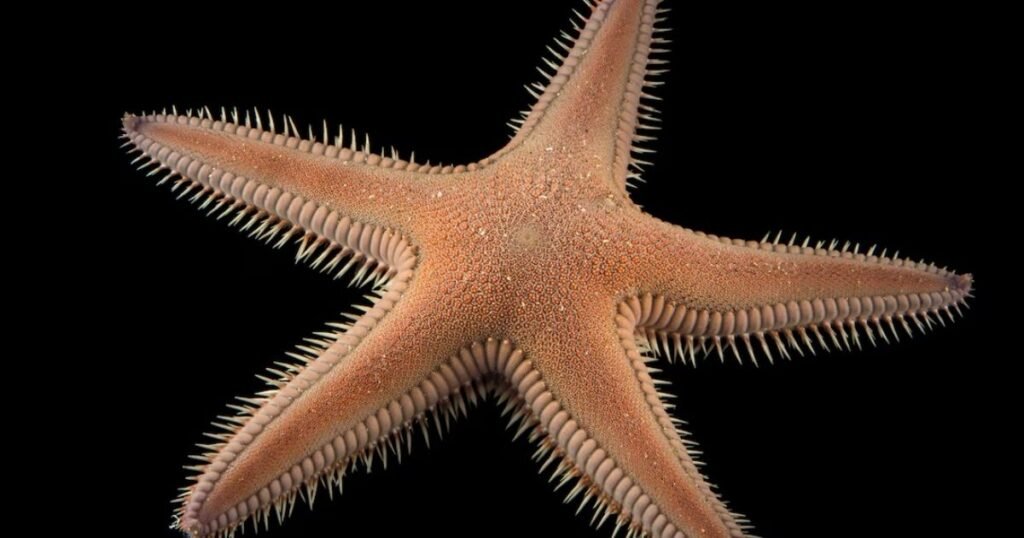
Another remarkable strategy involves fragmentation, as seen in starfish. When a starfish loses an arm, it can regenerate a whole new individual from that severed limb. This ability not only highlights resiliency but also allows for rapid population growth in favorable habitats, ensuring survival against predators and environmental changes.
Top 5 Animals That Reproduce Asexually
- Hydra
- Planarian Flatworm
- Starfish (Sea Star)
- Aphid
- Whiptail Lizard
Hydra
This remarkable creature thrives in freshwater and showcases the beauty of asexual reproduction through budding. As a hydra matures, small buds protrude from its body, eventually detaching to form new individuals. This ability not only allows for rapid population growth but also aids in survival during challenging conditions.
Read more: Tallest Animal in the World: 15 Amazing Facts About the Giraffe
Planarian
Known for their impressive regenerative abilities, planarians can reproduce asexually by fission. When they split in half, each half can regenerate into a complete organism. This fascinating trait demonstrates not only their resilience but also serves as an interesting model for scientific research in regenerative medicine.
Starfish (Sea Star)
Often perceived as simple creatures, starfish have a remarkable strategy for reproduction through arm regeneration. Some species can reproduce asexually by regenerating an entire body from just a single arm. This not only allows for remarkable survival tactics but also indicates a complex understanding of body regeneration.
Aphid
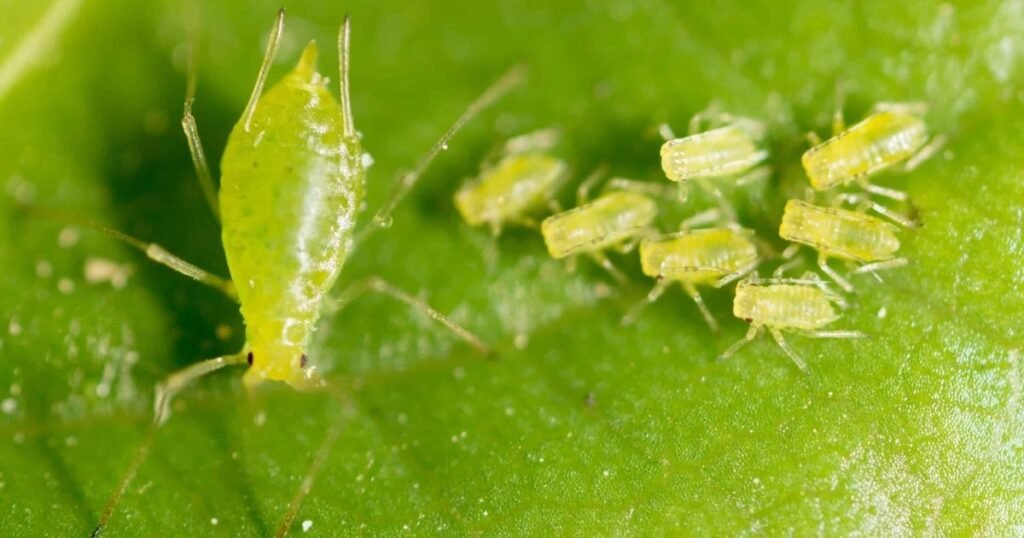
These tiny insects display fascinating asexual reproduction through parthenogenesis, where females produce offspring without mating. When conditions are favorable, aphids can generate generations of clones rapidly, enabling them to exploit resources quickly and effectively. This ability makes them a notable example of efficiency in nature’s reproductive strategies.
Whiptail Lizard
A unique case among vertebrates, the whiptail lizard features populations that have entirely abandoned males; females reproduce through parthenogenesis. Their ability to thrive without male counterparts challenges conventional views of reproduction and underscores the adaptability found within the animal kingdom.
5 Types of Asexual Reproduction Found in Animals
- Budding
- Fragmentation
- Fission (Binary Fission)
- Parthenogenesis
- Regeneration-Based Reproduction
Budding
Budding is a fascinating form of asexual reproduction where a new organism grows directly from the parent organism, often while still attached. This method, commonly seen in hydras and certain corals, allows for rapid population increases in suitable environments. The offspring benefits from the parent’s resources while developing, creating a unique family bond even before separation.
Fragmentation
Fragmentation takes a different approach; here, an organism breaks into pieces, each capable of growing into a complete individual. Starfish exemplify this phenomenon, where losing an arm can lead to the regeneration of an entirely new starfish. This method not only enhances survival but also promotes genetic diversity within populations, as each fragment develops its unique characteristics.
Binary Fission
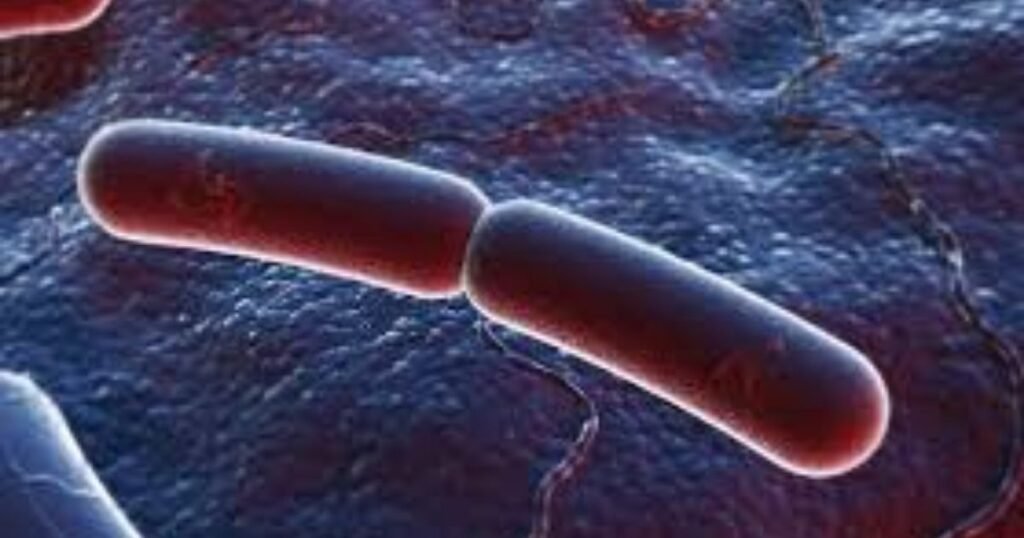
Binary Fission, another intriguing method, is primarily observed in single-celled organisms like bacteria. In this process, the parent cell splits into two identical daughter cells, resulting in exponential population growth. It’s a remarkable strategy that underscores the simplicity and efficiency of life at its most fundamental level, allowing organisms to adapt swiftly to environmental changes.
Parthenogenesis
Parthenogenesis is a less common but equally captivating type of asexual reproduction where an egg develops into a complete organism without fertilization. Seen in some species of lizards and insects, this method showcases nature’s resilience, as it enables reproduction even in the absence of males. The offspring are clones of the mother, balancing the genetic continuity with the advantages of spontaneous generation.
Regeneration-Based Reproduction
Regeneration-Based Reproduction highlights the incredible adaptability of certain species. Many animals, such as planarians and axolotls, possess the remarkable ability to regrow lost body parts, effectively allowing them to reproduce through regeneration. This ability not only serves as a survival aid but also opens discussions about the potential for regeneration in medical science, prompting intrigue about how these natural processes can inspire human healing technologies.
5 Benefits of Asexual Reproduction in the Animal Kingdom
- No Need for a Mate
- Faster Population Growth
- Lower Energy Requirements
- Successful Reproduction in Isolated Environments
- Rapid Colonization of New Habitats
No Need for a Mate
Asexual reproduction eliminates the dependency on finding a mate, enabling certain species to thrive even in sparsely populated areas. This independence allows organisms like some starfish and flatworms to quickly and efficiently propagate, ensuring their survival without the complexities of mating rituals and courtships.
Faster Population Growth
With a streamlined reproductive process, asexual organisms can multiply at an astonishing rate. For example, bacteria can divide rapidly — not only boosting numbers but also enhancing their ability to adapt to changing environments. This exponential growth is particularly advantageous in ecosystems where competition for resources is fierce.
Lower Energy Requirements
Asexual reproduction requires significantly less energy compared to its sexual counterpart. There are no elaborate courtships, mating behaviors, or the need to produce eggs and sperm. This energy efficiency allows organisms, like hydras and certain plants, to allocate resources toward other vital functions, such as growth and defense against predators.
Successful Reproduction in Isolated Environments
Many asexual species can flourish in isolated or extreme environments where finding a mate could be a daunting challenge. By reproducing asexually, these organisms — such as certain fungi and tardigrades- ensure their continued existence, proving their resilience in habitats that are inhospitable to sexually reproducing species.
Rapid Colonization of New Habitats
Asexual reproduction enables swift colonization of new environments, allowing species to establish populations quickly. When a new habitat becomes available — such as after a disturbance or climate change — organisms like sea sponges can reproduce asexually to fill up ecological niches rapidly, making them integral to ecosystem rehabilitation and stability.
Challenges and Survival Strategies of Asexual Animals
Asexual animals face unique challenges in their survival, primarily due to their dependence on a single reproductive strategy. Without the genetic diversity that comes from sexual reproduction, these creatures are more vulnerable to diseases and environmental changes. A sudden shift in habitat or climate can wipe out entire populations if they lack the genetic variance needed to adapt. While many might assume that asexual reproduction provides a simplistic path to survival, the reality is more nuanced and complex.
To thrive, animals that reproduce asexually develop fascinating survival strategies:
Resource Competition
Asexual animals, such as certain types of starfish and sponges, face intense competition for resources. Their survival hinges on the ability to efficiently utilize available nutrients. Some have adapted by developing shared habitats with other species, creating a symbiotic relationship that benefits both parties.
Genetic Diversity Principle
A significant challenge for animals that reproduce asexually is the lack of genetic diversity. To counteract this, some organisms adopt strategies like parthenogenesis, where a single female can produce offspring that are genetically varied due to environmental influences. This adaptability allows them to thrive in changing environments, enhancing their resilience.
Predator Awareness
Asexual animals must also navigate predator-prey dynamics. Many species, like planarians, have evolved complex behaviors to evade predators, such as camouflage or rapid regeneration abilities. By developing these traits, they not only survive but also maintain their populations in ecosystems where predation pressure is high.
Final Words
Asexual animals showcase some of nature’s most intriguing adaptations, allowing them to thrive and reproduce without the need for mating. From tiny hydra to massive starfish, these fascinating creatures challenge our traditional understanding of reproduction. Their ability to reproduce on their own not only ensures their survival in various environments but also highlights the incredible diversity of life on our planet.
As we learn more about asexual reproduction, we gain insights into evolutionary processes and potential applications in science and medicine. Let’s appreciate these remarkable beings and continue to explore the wonders of the natural world.
Are there any asexual animals?
Yes, there are several asexual animals. One of the most well-known examples is the starfish, which can reproduce through a process called fragmentation, where a part of its body regenerates into a new individual.
What is the largest animal to reproduce asexually?
The largest animal known to reproduce asexually is the female green sea turtle. While many species typically reproduce sexually, some have shown the ability to produce offspring without male fertilization.