Grassland Animals: 20 Amazing Wildlife of the World’s Open Plains
Grassland animals are the unsung heroes of our planet’s ecosystems, often overlooked yet crucial to life on Earth. These vibrant habitats provide sanctuary for countless species and maintain biodiversity essential for environmental health.
This article delves into the remarkable wildlife that thrives in grasslands, highlighting their unique adaptations and the challenges they face. As you read on, you’ll gain a deeper appreciation for these extraordinary animals and the importance of protecting their habitats for future generations.
What Are Grassland Animals and Where Do They Live?
Grassland animals thrive in diverse habitats that span continents, from the expansive savannas of Africa to the rolling prairies of North America. These creatures have adapted remarkably to the open landscapes, often developing unique traits that allow them to survive in environments where cover is minimal.
Take the bison, for example, which roams the North American plains, using its massive build to fend off predators. Meanwhile, the sleek cheetah makes the most of its speed in African grasslands, showcasing the perfect predator-prey dynamic in these ecosystems.
Top 5 Mammals Commonly Found in Grassland
- African Elephant
- American Bison
- Pronghorn
- Blackbuck
- Plains Zebra
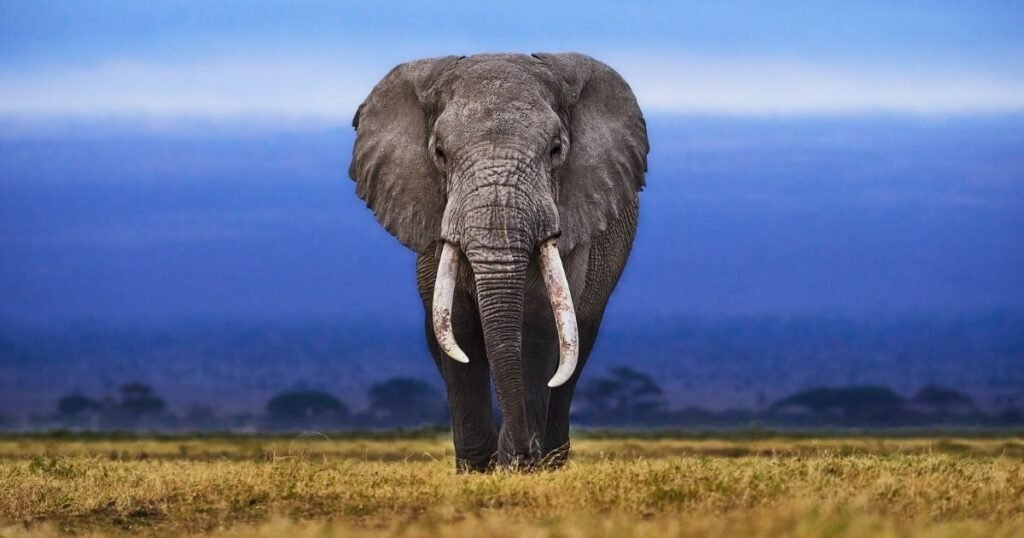
African Elephant
The largest land mammal, the African elephant, roams the grasslands in herds, playing a crucial role in maintaining ecosystem balance. Their feeding habits help shape the landscape by uprooting trees, which promotes the growth of grasses and herbs, creating a more open habitat for other species. Through their migratory patterns, they also facilitate nutrient cycling across vast distances.
American Bison
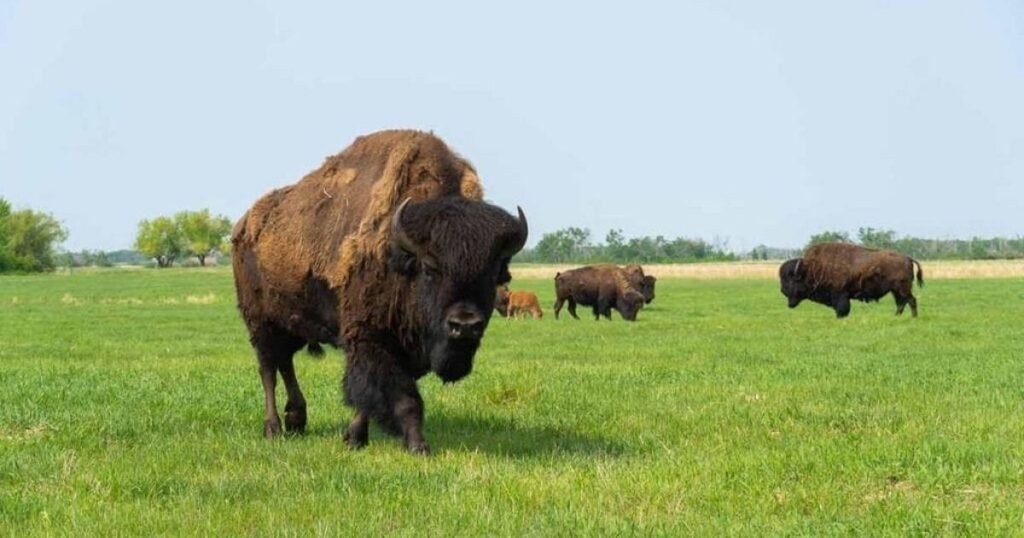
Once teetering on the edge of extinction, the American bison is now a symbol of conservation success. These massive grazers are integral to the grassland ecosystem, as their movement and grazing patterns promote plant diversity. Their hooves stir up the soil, enabling seeds to germinate and encouraging a rich tapestry of flora that supports a wide array of wildlife.
Read more: Asexual Animals: 5 Fascinating Creatures That Reproduce Without Mating
Pronghorn
With unparalleled speed, the pronghorn is not just the second fastest land animal but also a fascinating example of evolutionary adaptation. Unlike many other ungulates, pronghorns possess keen eyesight and the ability to sustain high speeds over long distances. This unique combination helps them evade predators in the expansive grasslands, demonstrating nature’s ingenuity in survival strategies.
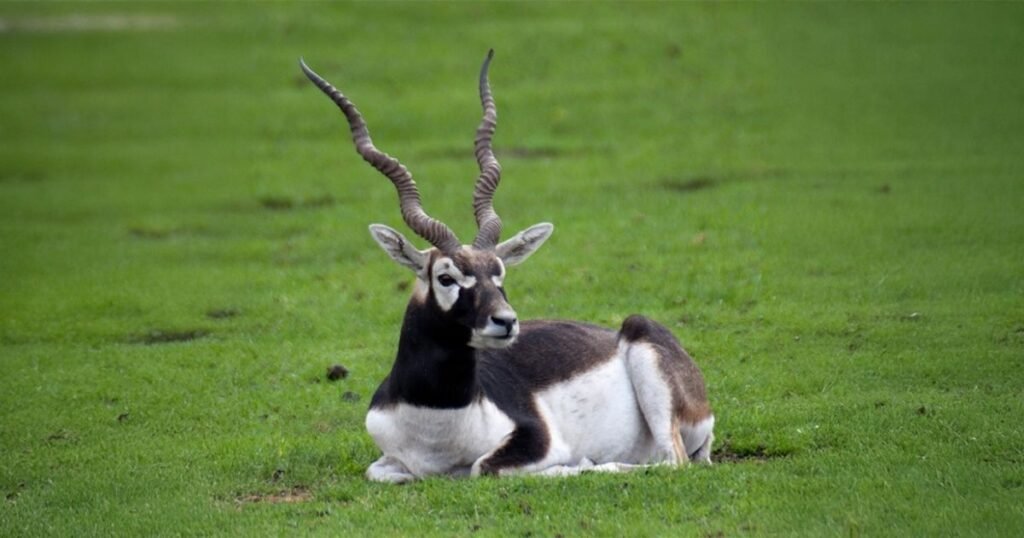
Blackbuck
This elegant antelope adds an aesthetic allure to the grasslands with its striking black and white coloration. Blackbucks are social animals that thrive in herds, often engaging in graceful displays of speed and agility to escape predators. Their grazing encourages plant growth, supporting smaller species of flora and thereby enhancing biodiversity in their habitat.
Plains Zebra
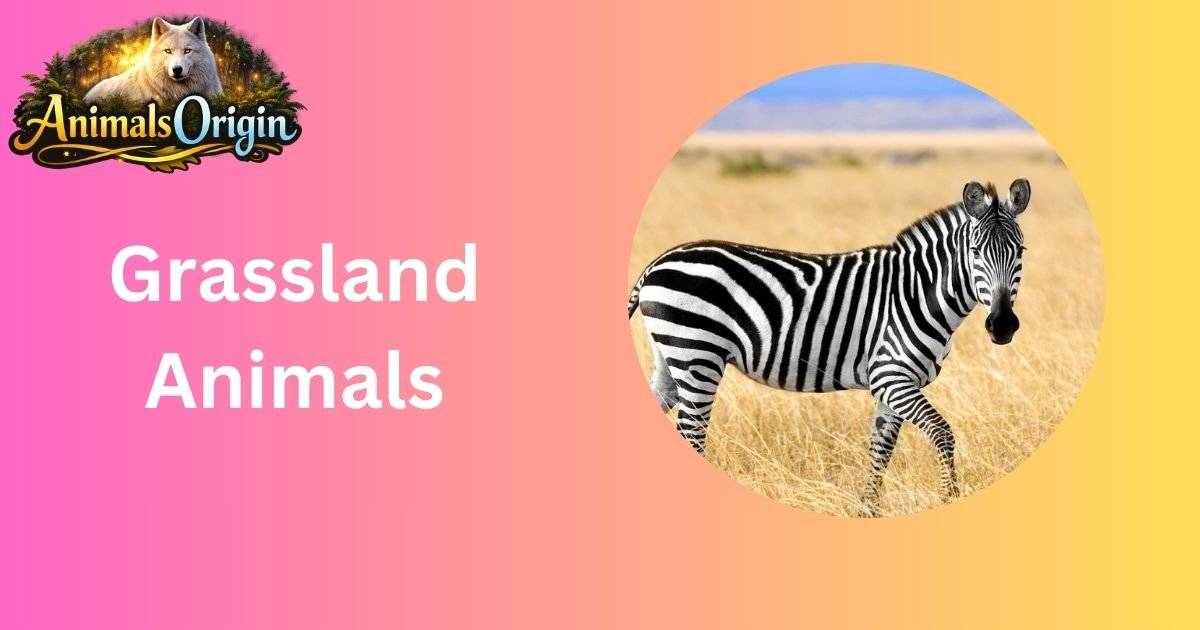
Known for their distinctive stripes, plains zebras contribute to the grassland ecosystem in intriguing ways. Their grazing habits keep grass short, which helps prevent wildfires and maintains the balance of other species in their environment. The unique social structure of zebras, often characterized by strong family bonds, also plays a role in their survival, showcasing the interconnectedness of group dynamics in the wild.
5 Birds That Thrive in Grassland Habitats
Below is the list of 5 Birds That Thrive in Grassland Habitats:
- Greater Rhea
- Secretarybird
- Western Meadowlark
- Kori Bustard
- Northern Harrier
Greater Rhea
This flightless giant, native to South America, can be a remarkable sight in the grasslands. Growing up to 5.5 feet tall, the Greater Rhea roams in herds, using its keen eyesight to spot predators. Their diet, primarily consisting of seeds, leaves, and insects, reflects a unique adaptation to their open habitat, allowing them to thrive in the wild expanses of the Pampas.
Secretarybird
With its striking long legs and distinctive crest of feathers, the Secretarybird is a master of the grasslands of Africa. Known for its exceptional hunting skills, it specialized in taking down snakes, including cobras, with a deadly kick. This bird not only stands out visually but plays a crucial ecological role in controlling snake populations, showcasing the balance within these ecosystems.
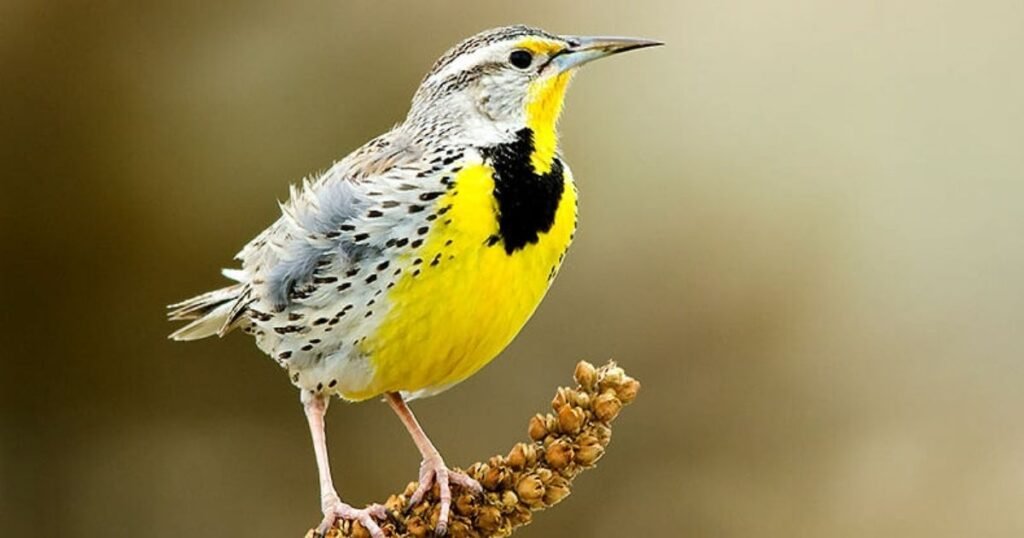
Western Meadowlark
The melodic song of the Western Meadowlark is synonymous with the North American grasslands. This bird’s beautifully patterned plumage aids in camouflage among the grass, while its diet primarily consists of insects and seeds, making it well-adapted for life in these regions. The Western Meadowlark’s song is not just a call to mates; it serves to establish territory, adding a rich auditory layer to the grassland’s environment.
Kori Bustard
Considered the heaviest flying bird, the Kori Bustard roams the open savannas and grasslands of Africa. Its unique mating ritual involves an elaborate display, showcasing the diversity of behaviors that grassland birds exhibit. The Kori Bustard’s adaptation to its environment allows it to thrive on a diet of seeds and insects, while its remarkable flight capabilities enable it to escape threats when necessary.
Northern Harrier
Gliding low over the grasslands, the Northern Harrier employs its exceptional hearing to locate prey hidden in the vegetation. Characterized by its distinctive flying pattern and gestural movements, this raptor exhibits remarkable hunting prowess. Its nesting behavior, often on the ground, underscores its deep connection to the grassland habitat, demonstrating how each species uniquely interacts with its environment to thrive.
Top 5 Predators of the Grasslands
Below is the list of the Top 5 Predators of the Grasslands:
- Lion
- Cheetah
- African Wild Dog
- Spotted Hyena
- Gray Wolf
Lion
The lion, often dubbed the “king of the savanna,” reigns supreme in the grasslands. Their social structure, living in prides, enhances their hunting prowess. These majestic predators utilize teamwork to take down larger prey, showcasing a blend of strategy and raw power. Interestingly, their roaring communication can be heard up to five miles away, asserting dominance over their territory and alerting rivals to their presence.
Cheetah
Renowned for their breathtaking speed, cheetahs are the sprinters of the grasslands. In a high-stakes game of chase, these sleek hunters can accelerate from 0 to 60 mph in just three seconds. Their incredible eyesight allows them to spot prey from a distance, but it’s their unique hunting style — using stealth and short bursts of speed — that sets them apart. The cheetah’s solitary nature also adds an element of mystery; unlike other big cats, they often hunt alone or in small family groups, making each catch a personal victory.
African Wild Dog
With a pack mentality and unparalleled stamina, the African wild dog is a prime example of teamwork in the animal kingdom. Unlike most predators, they employ a “stutter-step” approach, allowing them to tire out their prey over long distances. Their unique vocalizations create a rich tapestry of communication, facilitating coordinated hunts. Endangered but tenacious, their resilience in the face of challenges is a testament to their adaptability in the ever-changing grassland ecosystem.
Spotted Hyena
Often misunderstood as mere scavengers, spotted hyenas are formidable hunters in their own right. With powerful jaws and a strong social structure, they can take down prey that rivals their size. Their laugh-like calls convey complex social interactions, indicating the sophisticated culture of the clan. Surprisingly, their highly developed digestive systems enable them to extract nutrients from bones, giving them an edge in food scarcity situations.
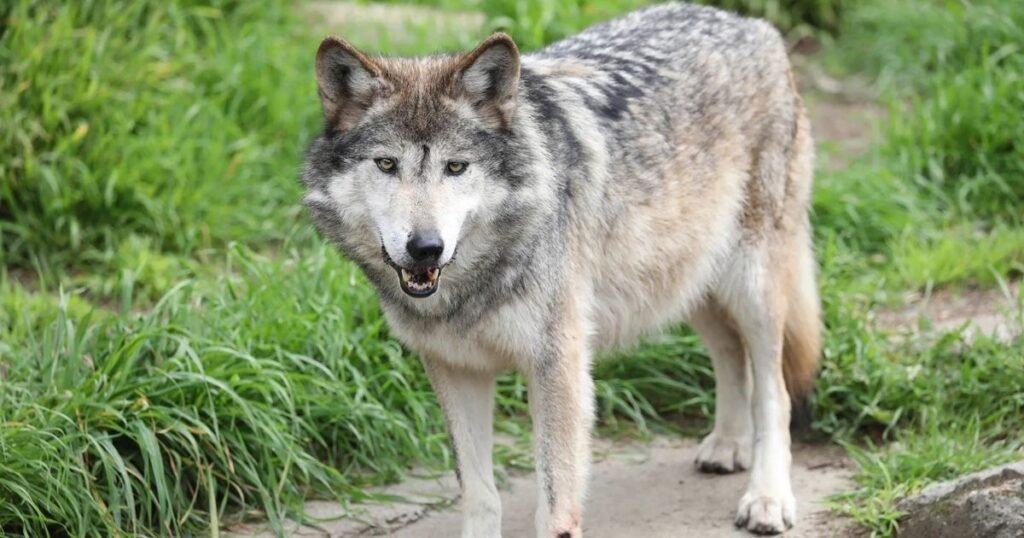
Gray Wolf
Although often associated with forests, gray wolves thrive in grassland ecosystems too. Their versatility as pack hunters enables them to tackle large herbivores, demonstrating a tactical balance of strength and intelligence. Wolves employ unique strategies that involve flanking and driving prey toward ambush points — showcasing an intricate understanding of herd dynamics. Their social bonds and complex hierarchies further enhance their effectiveness, proving that in the grasslands, teamwork is key to survival.
5 Herbivores That Roam the World’s Grasslands
Below is the list of 5 Herbivores That Roam the World’s Grasslands:
- Wildebeest
- Thomson’s Gazelle
- American Bison
- Plains Zebra
- Blackbuck
Wildebeest
Known for their epic migrations across the Serengeti, wildebeest are more than just symbols of wild Africa; they play a crucial role in their ecosystem. Their grazing patterns help maintain the grasslands, promoting new growth and sustaining other wildlife. Observing a herd thunder across the plains can be both mesmerizing and humbling, a reminder of nature’s power.
Thomson’s Gazelle
Agile and swift, Thomson’s gazelles are masters of evasion. Their strong leg muscles allow them to leap impressive distances to escape predators, showcasing nature’s remarkable adaptations. They also have a unique social structure, often forming large groups that provide safety in numbers while still displaying individual personalities.
American Bison
These majestic creatures are not only the largest land mammals in North America but also crucial to the grassland ecosystem. Their grazing behavior creates microhabitats for various plant species. Moreover, their impressive herds once roamed the Great Plains in such numbers that they shaped the landscape itself, an image of legacy and resilience.
Plains Zebra
With their distinctive stripes and social behavior, plains zebras are fascinating to observe in the wild. The stripes are believed to confuse predators and regulate body temperature, showcasing an intricate connection to their habitat. Beyond individual survival, their herding instincts help maintain balance within grassland communities.
Blackbuck
These striking antelopes are notable for their incredible speed and unique spiral horns. Once abundant in parts of the Indian subcontinent, blackbucks are now symbols of conservation efforts. Their adaptability to various grassland environments illustrates how species can thrive despite changing landscapes. Observing a male blackbuck in full sprint is truly a testament to grace and agility in the wild.
Final Words
In summary, grassland animals showcase the incredible diversity and adaptation of wildlife that thrive in open plains. From majestic bison roaming vast distances to the swift cheetah hunting in the tall savannah, each species plays a vital role in maintaining the ecosystem’s balance. These animals not only captivate our imagination but also serve as a reminder of the importance of preserving their habitats.
By supporting conservation efforts and learning more about these fascinating creatures, we can help ensure that future generations will have the opportunity to appreciate the wonders of grassland animals. Let’s continue to explore, respect, and protect these remarkable ecosystems together.
FAQ’S
What are grassland animals?
Grassland animals are species adapted to live in open, dry areas dominated by grasses rather than trees. Common examples include zebras, antelope, bison, and prairie dogs.
What are 5 interesting facts about grasslands?
Grassland bird trends are troubling. …
Grasslands are America’s most endangered habitat. …
Grasslands are climate fighters. …
Grasslands are public servants. …
The National Audubon Society is active in grassland conservation.